
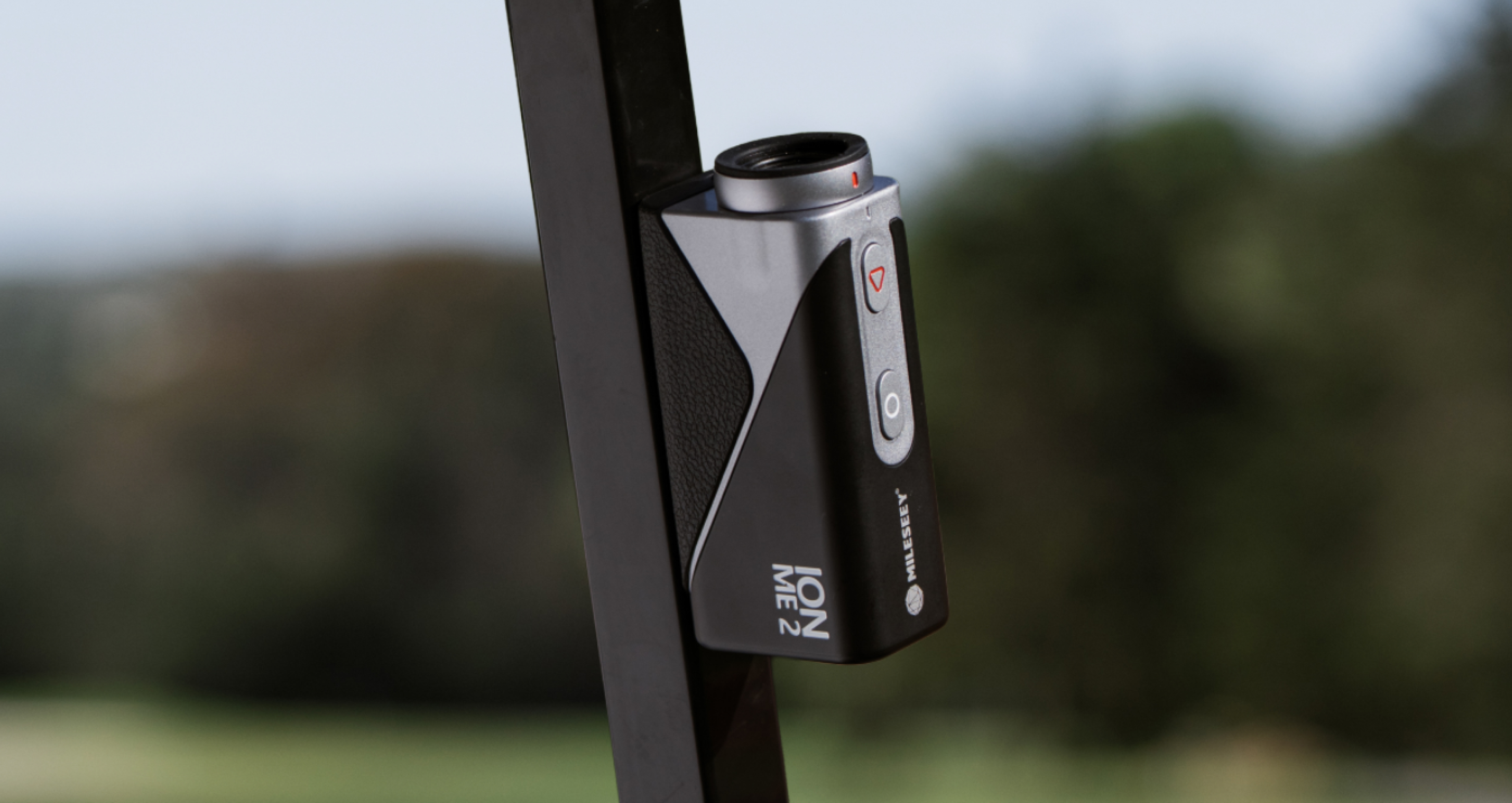
The best place for a rangefinder is the same secure location every hole: reachable in one motion, protected from impact and rain, and difficult to leave behind. For most walking golfers, that means a dedicated upper accessory pocket or an attached zip case. For cart golfers, a strong magnet can be faster—but only with a deliberate return routine.
Compare the Main Carry Positions
| Location | Access | Protection | Main risk |
|---|---|---|---|
| Upper accessory pocket | Fast | Good if pocket is padded and dry | Mixed with tees, keys, or hard objects |
| Zipped case on bag loop | Fast | Very good | Zipper left open |
| Magnet on cart frame | Very fast | Low during rain or rough travel | Left on cart after the round |
| Clothing pocket | Very fast | Varies | Drop, swing restriction, or discomfort |
| Deep apparel pocket in bag | Slow | Good | Too much searching during play |
Choose by How You Play
If you walk and carry
Use a dedicated pocket near the top of the bag or a light case attached high on the bag. Keep it away from loose balls, divot tools, and keys that can strike or scratch the housing and lenses.
If you use a push cart
A case attached near the handle can be ideal. Confirm that the mount does not interfere with folding, straps, brake cables, or rain-cover movement.
If you ride
A cart magnet offers speed, but it creates the highest “forgotten after the round” risk. Make the rangefinder part of the same end-of-hole action as replacing your club and recording the score.
The One-Motion Return Rule
After every reading, return the device before selecting the club. Do not place it on the seat, cup holder, ground, or bag top “for a second.” A temporary location is how a rangefinder becomes a lost rangefinder.
Editorial simulation: walking front nine, riding back nine
On the front nine, the device stays in a zipped case on the upper bag loop. On the back nine, it moves to the cart frame. The risk appears at the transition: two valid storage locations now compete. The safer protocol is to keep the case attached to the bag and return the device to that case before leaving the 18th green—even if the magnet was used during play.
Weather and Impact Protection
- Keep lens caps or case lining clean; grit can scratch optics.
- Do not seal a wet device in a case for long-term storage.
- Use a rain pocket or covered case during sustained rain.
- A water-resistance rating does not mean the device should be submerged.
- Inspect clips, magnets, loops, and zippers before each round.
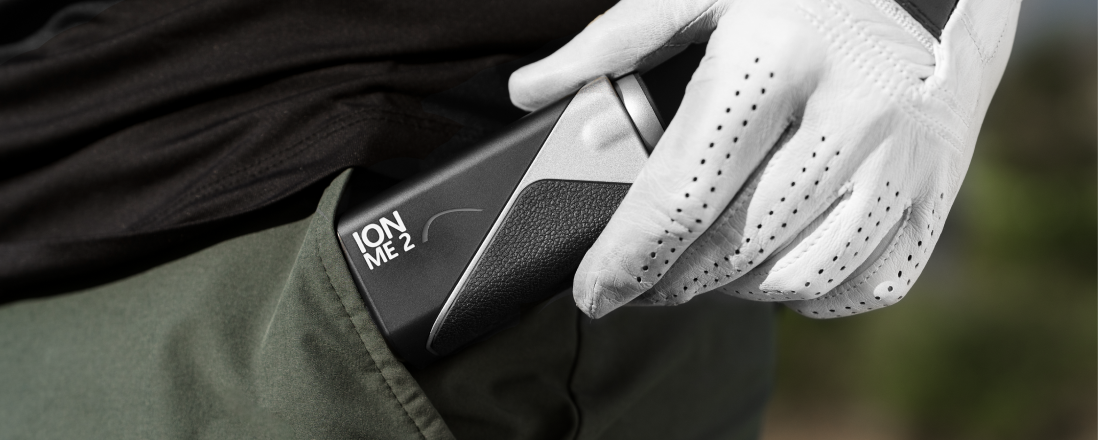
A small golf rangefinder such as the IONME2 is designed for pocketable carry and includes a magnetic waist clip. Independent Golf Reviews described it as possibly one of golf’s smallest yet still full-featured rangefinders, while preserving that as the reviewer’s opinion rather than a universal claim. Read the review.
When This Advice Does Not Apply
Do not attach a magnet to medical devices, electronics, or cart areas where the course prohibits it. Do not use an external clip if it creates a snag risk. If the manufacturer’s instructions specify a storage position, battery procedure, or temperature limit, follow those instructions first.
End-of-Round Loss Prevention Checklist
- Remove the device from the cart frame.
- Return it to the bag’s permanent case or pocket.
- Close the zipper or retention strap.
- Check the cart basket and cup holders.
- Confirm the device before the bag leaves the cart area.
Begin with the rangefinder essentials guide, then connect storage to the seven-question need test and the steady-hold routine.
If your current device needs a purpose-built case or mounting solution, browse rangefinder accessories only after checking model compatibility.

