-7033125858698077671.webp?w=1500&h=927)
A straightforward golf rangefinder can be the best choice when you need a reliable visible-target number without maps, subscriptions, or a long learning curve. The Vice Horizon and MILESEEY PF260 Tour both belong in that conversation, but a useful comparison starts with the routine you want to maintain—not a promise that one device is perfect for every round.
Our editorial view: Vice Horizon is a natural fit for the golfer who wants a compact, style-led laser with familiar slope functionality. PF260 Tour is a natural fit for the golfer who values a budget-minded core laser workflow, a physical slope-switch routine, magnetic cart mounting, and a flexible power approach.
What the two devices keep simple
Vice Horizon: compact laser priorities
Vice describes Horizon as a target-locking laser with up to 900 yards of range and slope compensation that can be turned off for tournament use. That profile suits golfers who want to range a target, choose a club from their own yardage knowledge, and get on with the shot.
PF260 Tour: core laser features with practical controls
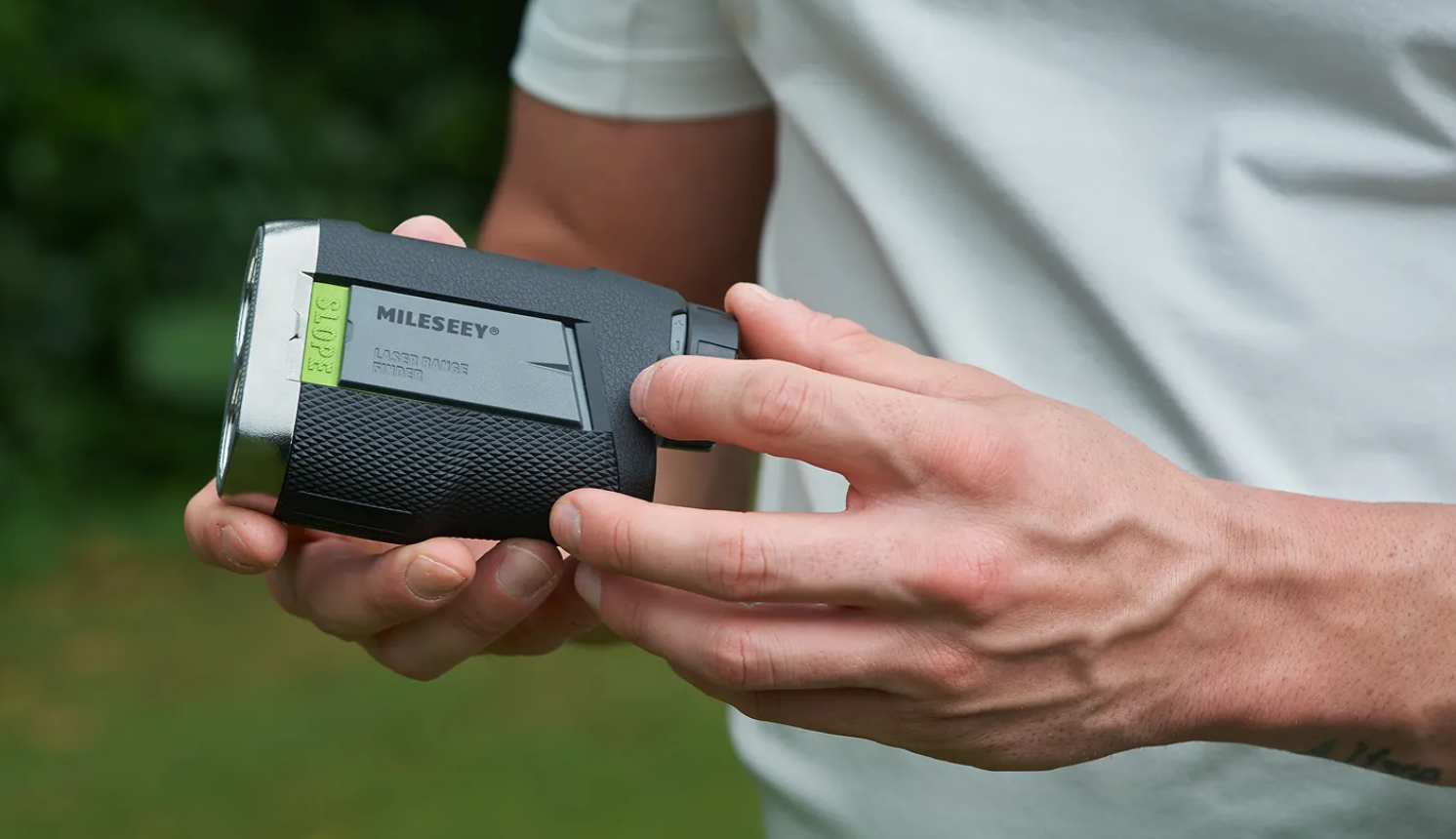
The MILESEEY PF260 Tour is positioned around a slope switch, flag-lock vibration, magnetic cart mounting, and a rechargeable-CR2-plus-spare-battery approach. In an independent National Club Golfer review, it earned five stars; the reviewer highlighted simple use, compact handling, flag lock, and value, while listing lower brand recognition as a drawback. Treat that as a media opinion, not a universal ranking.
Compare the habits, not only the numbers
Editorial simulation: the last three holes with a low battery warning
Imagine you are on the sixteenth hole and realize the device needs power. The better option is the one whose routine you will actually follow: carry the right spare, recharge on schedule, and understand how the slope setting is shown. A rangefinder’s value falls sharply when its battery plan is an afterthought. Before buying, check the live product page and manual for the latest included battery, charging, and regional warranty details.
Decision checklist
- Lean Vice Horizon when: you want a compact, direct laser workflow and are satisfied with a focused distance-to-target tool.
- Lean PF260 Tour when: you value visible slope control, vibration confirmation, cart mounting, and a power routine that can include a backup cell.
- Do not overbuy either when: your real issue is blind holes or green-depth planning. That is where a GPS or hybrid workflow may be worth comparing instead.
Where neither is the automatic answer
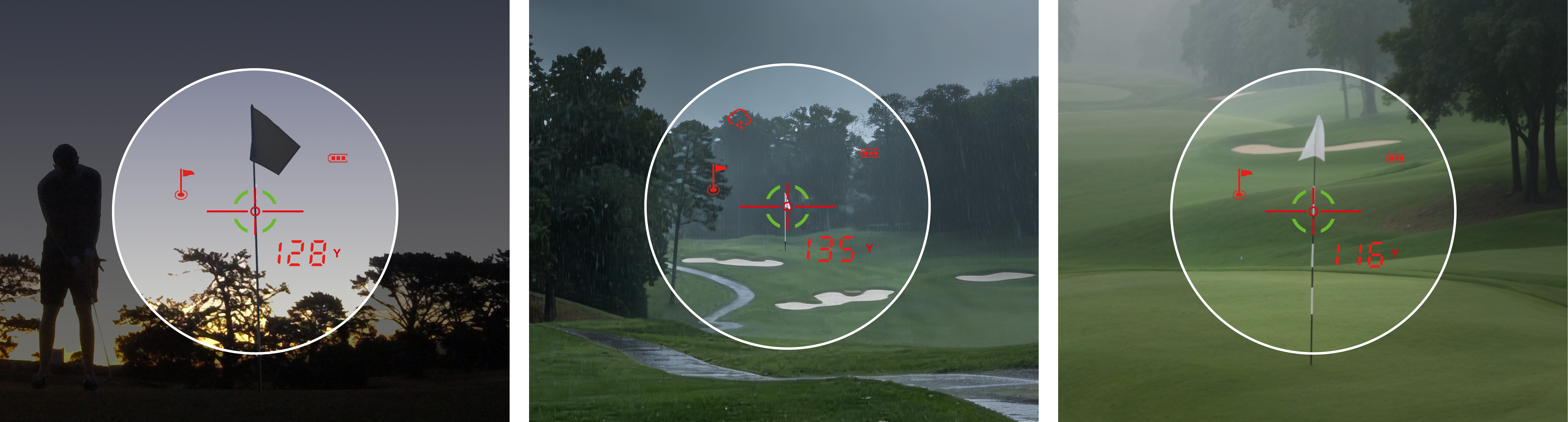
Dense fog, heavy rain, small or partially hidden targets, hand shake, and poor knowledge of club carry can limit any simple laser workflow. If those are your common constraints, compare a weather-specific mode, image stabilization, or map-based planning tool before deciding. Also confirm current competition rules before using slope-adjusted distances.
Related comparisons
See the complete 2026 brand-comparison framework, then read the premium Vortex Anarch+ vs GenePro S1 comparison or the hybrid Bushnell Tour Hybrid vs GenePro G1 comparison if your needs extend beyond a focused laser.
Bottom line
Horizon and PF260 Tour are both reasonable routes for a golfer who wants a simpler distance tool. The decision should come down to controls, power habits, mounting, support, and whether you need only a target number or a broader plan for the hole.