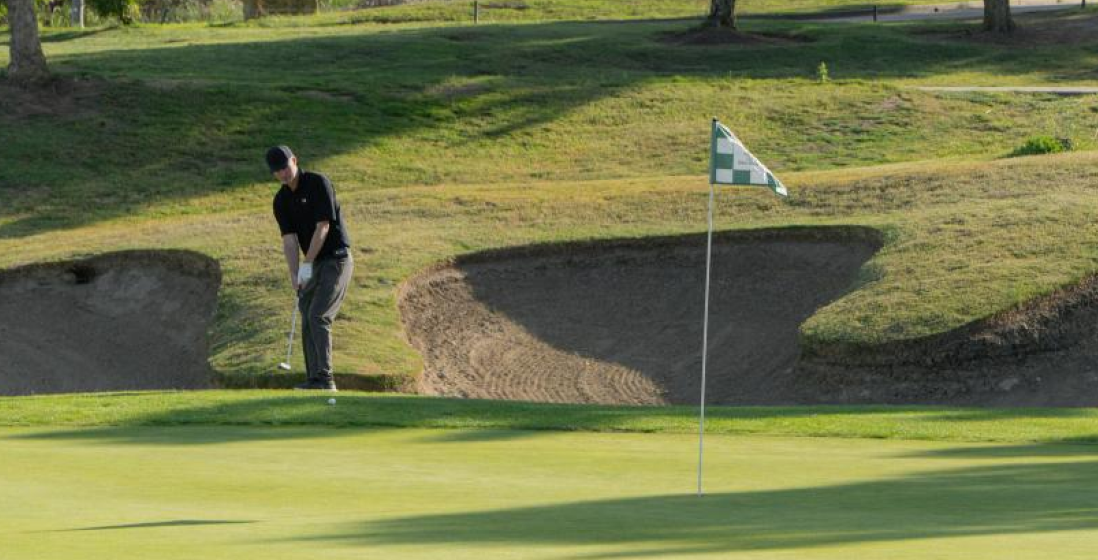
You can start playing disc golf with one disc. For a more comfortable round on a course, most beginners will also benefit from a small bag, a mini marker, water, a towel and shoes with reliable traction. A disc retriever, scorekeeping app and rangefinder can be useful, but they are not required for every player.
This guide separates essential disc golf equipment from optional accessories so you can build a practical setup without buying gear you do not yet need.
Disc golf equipment checklist
|
Item
|
Priority
|
What it does
|
Who needs it
|
|---|---|---|---|
|
Beginner-friendly disc
|
Essential
|
Lets you play every shot from tee to basket
|
Every player
|
|
Disc golf bag
|
Helpful
|
Organizes discs, water and small accessories
|
Players carrying more than a few items
|
|
Mini marker disc
|
Helpful / rules-based
|
Marks the lie when required or preferred
|
Tournament players and anyone learning formal rules
|
|
Towel and grip support
|
Helpful
|
Keeps discs and hands dry for a cleaner release
|
Players in wet, muddy or humid conditions
|
|
Water and weather protection
|
Essential by conditions
|
Supports comfort and safety outdoors
|
Most players, especially on long or hot rounds
|
|
Disc retriever
|
Course-dependent
|
Helps recover discs from water, brush or steep areas
|
Players on courses with common hazards
|
|
Scorecard or app
|
Helpful
|
Tracks throws and progress
|
Players who want a score or performance record
|
|
Rangefinder
|
Optional
|
Measures distance to a visible target or landing point
|
Players who want extra distance information
|
1. Disc golf discs: the only true must-have
The Professional Disc Golf Association’s beginner guide says one disc is enough to start. A neutral midrange or putter is usually easier for a new player to control than a fast distance driver, and either can handle more than one type of shot while you learn your release.
A simple one-disc setup
If you want the lowest-cost starting point, choose one comfortable putter or neutral midrange. Use it from the tee, for approach shots and for putting. Playing with one disc also makes it easier to learn how changes in angle, speed and release affect the flight.
A practical three-disc starter set
|
Disc type
|
Typical role
|
Beginner note
|
|---|---|---|
|
Putter
|
Short approaches and putting
|
Usually slow and controllable; it can also be used for short tee shots.
|
|
Midrange
|
Controlled tee shots and approaches
|
A versatile choice if you want one disc to cover several jobs.
|
|
Fairway driver
|
Longer controlled throws
|
Add one after you can release a putter or midrange consistently.
|
Disc flight numbers describe speed, glide, turn and fade. They are comparison guides, not a promise that every player will produce the same flight. The PDGA’s explanation of disc golf flight numbers is a useful starting point when you are ready to compare discs.
2. A disc golf bag that fits what you actually carry
You do not need a dedicated bag for your first round. Once you carry several discs, a water bottle and small accessories, a disc golf bag makes the setup easier to organize and transport.
Choose the smallest size that comfortably fits your current load. A compact shoulder bag can work for a few discs, while a backpack offers more space for extra discs, layers, food and weather gear. Useful details include stable bottle storage, a reinforced bottom, comfortable straps and a separate pocket for frequently used items.
3. A mini marker disc for marking your lie
A mini marker disc is different from a permanent marker pen. It is a small disc used to mark the lie before the next throw in situations covered by the rules or when a player chooses to mark the lie.
Under PDGA Rule 802.06, the thrown disc can normally mark the lie when it remains on the in-bounds playing surface. A compliant mini marker may be placed in front of the thrown disc, and it is required when the lie must be moved under an applicable rule. If you plan to compete, carry a PDGA-compliant mini and learn when to use it.
A permanent marker pen is optional. Players often use one to identify a disc with contact information, but it does not replace a mini marker disc.
4. A towel and grip support for changing conditions
Water, mud, dust and sweat can make a disc harder to hold consistently. A small absorbent towel helps dry the disc and your hands before a throw. A clip or dedicated bag pocket keeps it accessible without mixing it with clean clothing or food.
Some players also carry a chalk bag, rosin bag or another grip aid. Treat it as a condition-specific accessory rather than a universal requirement, and make sure any product you use is permitted under the rules for your event.
5. Water, footwear and basic weather protection
Disc golf courses can involve long walks, uneven ground, mud, roots and extended sun exposure. Bring enough water for the conditions and wear shoes that provide stable traction on the terrain you expect.
Depending on the course and forecast, a practical bag may also include sunscreen, bug spray, a light rain layer, a hat and a small first-aid kit. These items do not change how a disc flies, but they can make the round safer and more comfortable.
6. A disc retriever when the course has hazards
A retriever is useful on courses with ponds, creeks, thick brush or steep banks. Extendable poles, hooks and retrieval attachments can help recover a visible disc without wading into unsafe water or climbing into an unstable area.
Choose a model that collapses small enough for your bag and reaches the hazards you encounter most often. Do not enter deep water, fast current, private property or restricted terrain to recover a disc.
7. A scorecard, pencil or scoring app
You can play a casual round without keeping score. If you want to track progress, use a paper scorecard and pencil or a disc golf scoring app. A paper backup can be helpful when a phone battery is low, the weather is poor or reception is unreliable.
For organized play, follow the scoring method and submission process provided by the event. The tool matters less than recording every hole accurately and confirming the final score as required.
8. A rangefinder for optional distance information
A rangefinder is not required to play disc golf, but it can help a player measure the distance to a visible basket, obstacle or intended landing area. That information may be useful on unfamiliar courses or on holes where visual distance is difficult to judge.
The PDGA Rules Questions and Answers states that rangefinders may be used, provided the player still throws within the time allowed by the Excessive Time rule. Always check the rules and event instructions that apply to your round.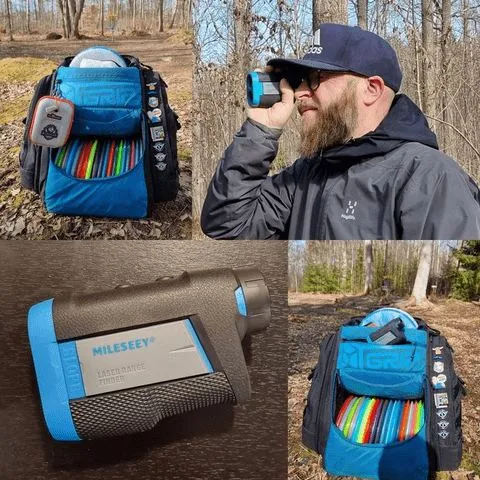
If you want a laser device for distance checks, compare MILESEEY golf rangefinders by optics, size, measurement range and available modes. A clear line of sight and a stable aim are still necessary, and a distance reading does not replace shot selection or practice.
What should a beginner buy first?
-
For your first round: start with one beginner-friendly putter or midrange, water and suitable shoes.
-
After a few rounds: add a second or third disc only when it fills a clear shot role. A small bag, towel and mini marker are sensible next purchases.
-
Match the course: add a retriever for water or brush, and carry sun, rain or insect protection when conditions call for it.
-
Add technology last: use a scoring app or rangefinder when the information solves a real on-course problem for you.
Disc golf gear beginners can usually skip at first
-
A large disc collection: learn a small set before adding molds that overlap.
-
Fast distance drivers: they often require more release speed and control than a beginner can consistently produce.
-
A premium cart: it can be useful for a heavy bag or long events, but it is rarely necessary for a first setup.
-
Accessories without a clear use: choose gear based on your course conditions and habits, not on the length of a product list.
Frequently asked questions
What equipment do you need to play disc golf?
You need at least one disc. On a course, a beginner-friendly putter or midrange, water and suitable footwear form a simple starting setup. A bag, mini marker, towel, retriever, scorekeeping tool and rangefinder are useful only when they match your course, playing style or event requirements.
How many discs does a beginner need?
One disc is enough to begin. A three-disc setup with a putter, midrange and fairway driver gives you more shot options without making the bag unnecessarily complicated. Learn how each disc flies before adding more.
Can you use a regular Frisbee for disc golf?
You can use a regular flying disc for casual practice, but purpose-built golf discs are designed for disc golf flight and shot roles. Sanctioned competition requires equipment that complies with the applicable PDGA technical standards.
What accessories can you carry in a disc golf bag besides discs?
Common disc golf accessories include a mini marker, towel, water bottle, permanent marker, scorecard and pencil, retriever, sunscreen, bug spray, rain layer, snacks and a small first-aid kit. Carry only what fits the course, weather and length of your round.
Do you need a rangefinder for disc golf?
No. A rangefinder is optional. It can provide distance to a visible target or landing point, but most beginners can play successfully using course signs, maps and experience.
Are rangefinders legal in disc golf tournaments?
The PDGA Rules Q&A says rangefinders may be used, but the player must still throw within the allowed time. Check the current official rules and any event-specific instructions before competition.
Should a beginner buy a distance driver?
Usually not as the first disc. Putters and neutral midranges are easier to control at lower throwing speeds. Add a fairway or distance driver after you can release slower discs consistently and understand what new shot the faster disc should provide.
Build your setup around the course, not the longest gear list
The best disc golf equipment setup is the one you will use. Start with one controllable disc, add a few practical accessories for comfort and safety, and expand only when your course conditions or playing goals reveal a real need. That approach keeps the bag lighter, the cost manageable and your attention on learning the game.