When Silence Became Optional
I’ll never forget the look on my mentor’s face way back in 1995 when a junior golfer showed up to the range with a portable CD player. “This isn’t a dance club,” he muttered, shaking his head. Back then, golf’s unwritten rules were carved in stone. Silence wasn’t just golden — it was mandatory.
Fast forward three decades, and I’m watching tour players walk fairways with earbuds in during practice rounds. I’m seeing families enjoy weekend golf with Bluetooth speakers clipped to their carts. Something fundamental has shifted in our sport, and truthfully, it’s one of the most exciting evolutions I’ve witnessed in my 30 years in this game.
The Old Guard Had a Point
Let’s be honest for a moment. Traditional golf etiquette around silence wasn’t arbitrary. It came from a place of respect and focus. Golf demands concentration more than almost any other sport. You’re standing over a ball, trying to execute a complex athletic movement while managing distance, wind, hazards and your own mental chatter.
The quietness allowed players to find their internal rhythm. It created an atmosphere of mutual respect. When someone was addressing their ball, you didn’t move, didn’t talk, didn’t breathe too loudly. This wasn’t stuffiness; it was consideration.
And there’s still tremendous value in that mindset. I still teach my students the significance of being present, of reading the moment, of respecting fellow competitors. Those principles haven’t changed and shouldn’t change.
But Golf Was Dying a Slow Death
Here’s what the traditionalists missed: golf was becoming inaccessible. Not just financially, though that was part of it. Culturally, we were building walls instead of bridges. Young players felt unwelcome. Casual golfers felt judged. The sport was aging out, and we were losing the next generation to activities that came across as more friendly and fun.
I watched rounds take five and a half hours because players were so tense they couldn’t pull the trigger. I saw talented junior golfers quit because the pressure and rigidity sucked the joy out of the game. Something had to give.
The Soundtrack Generation Arrives
Then something beautiful happened. Younger players started bringing their own vibe to the course. Music became part of their pre-shot routine, their practice sessions, their entire golf experience. And you know what? They played faster. They smiled more. They came back more often.
I started experimenting with music during practice sessions with my students. The results proved remarkable. Players who were tight and mechanical suddenly found flow. The music didn’t distract them; it freed them.
Finding the Balance
This is where we are now, in this fascinating middle ground. Golf is learning to accommodate different styles of play while conserving its core values. Most courses have found reasonable compromises: music is fine on the range and during casual rounds, but keep it respectful. Read the room.
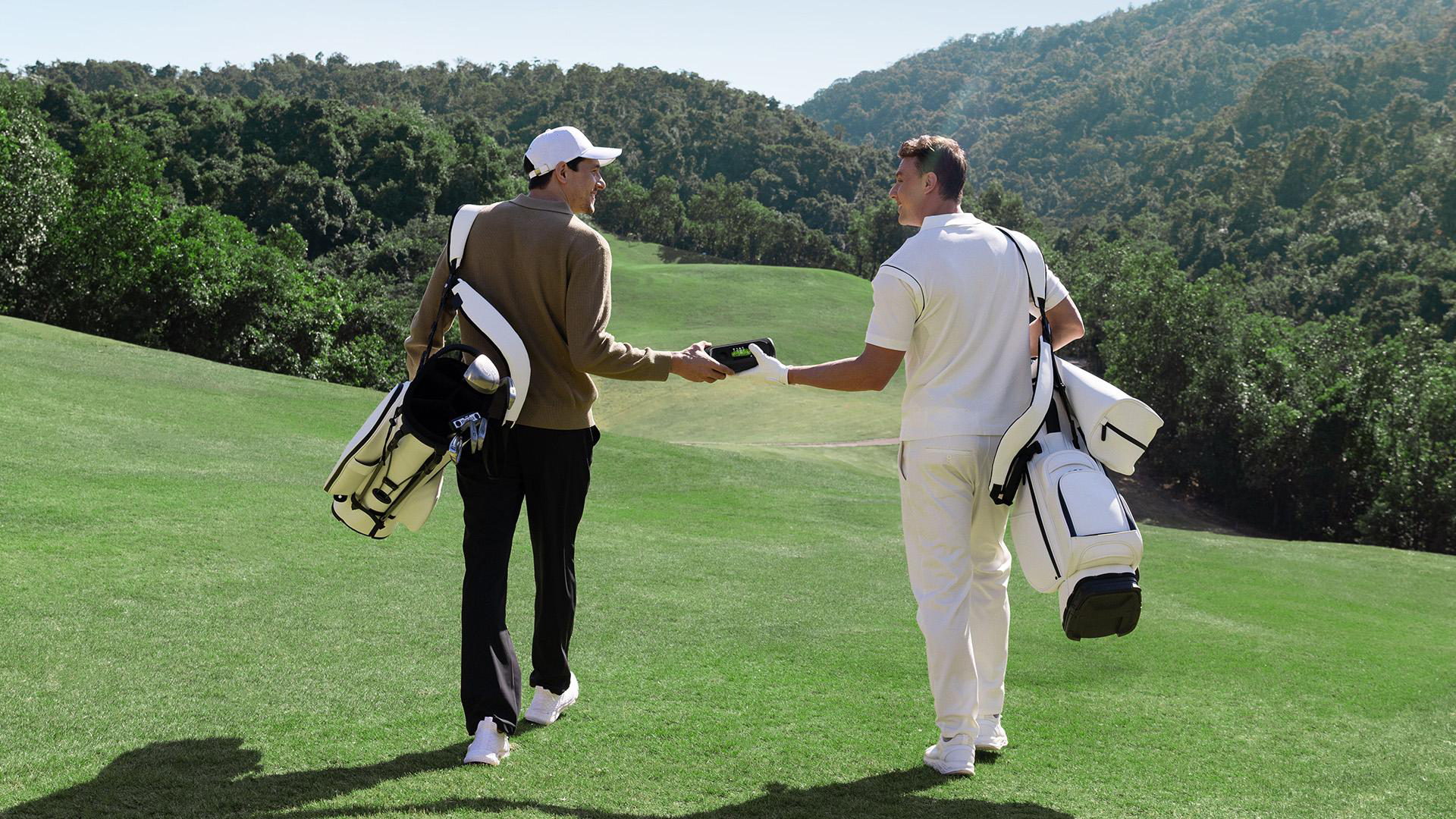
The key is awareness. If you’re playing behind a group that clearly values quiet, honor that. If you’re in a casual Saturday foursome and everyone’s enjoying some tunes, that’s beautiful too. Golf is big enough for both experiences.
Enter the GeneSonic Pro
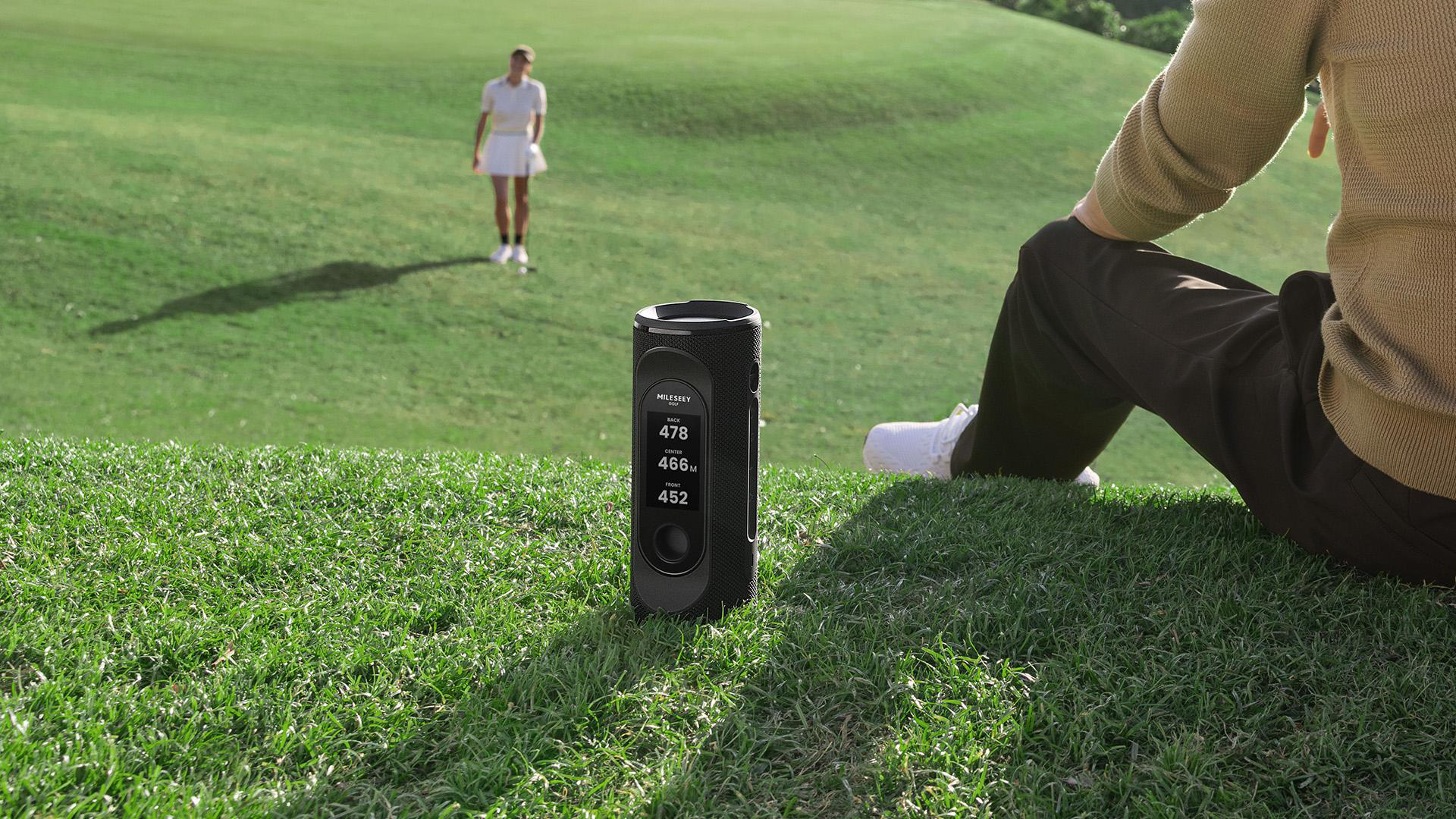
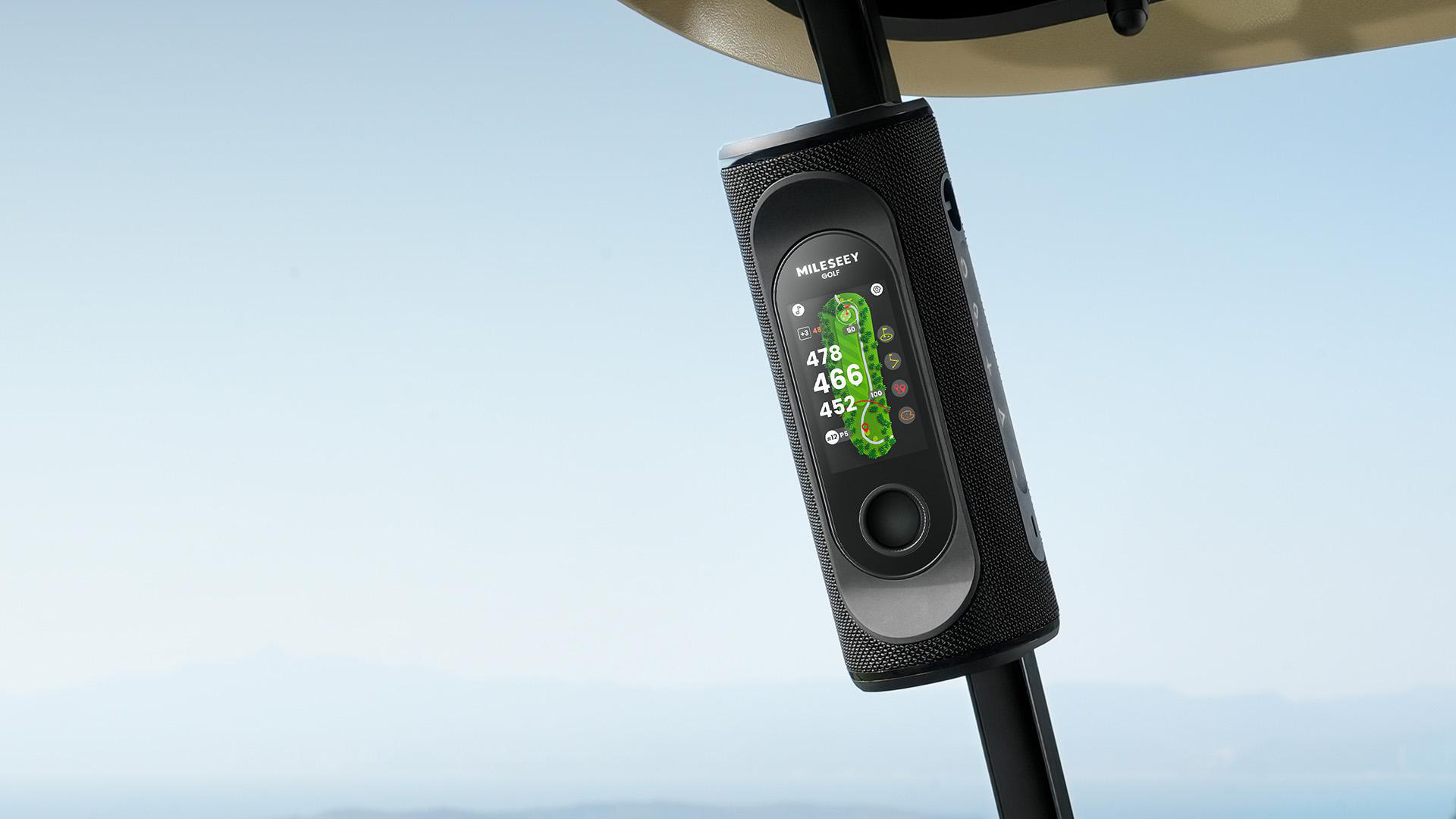
This is why I got really excited when I first used the MILESEEY GeneSonic Pro GPS Speaker. It’s not just another Bluetooth speaker that happens to have GPS. It’s a piece of equipment designed specifically for this cultural moment in golf.
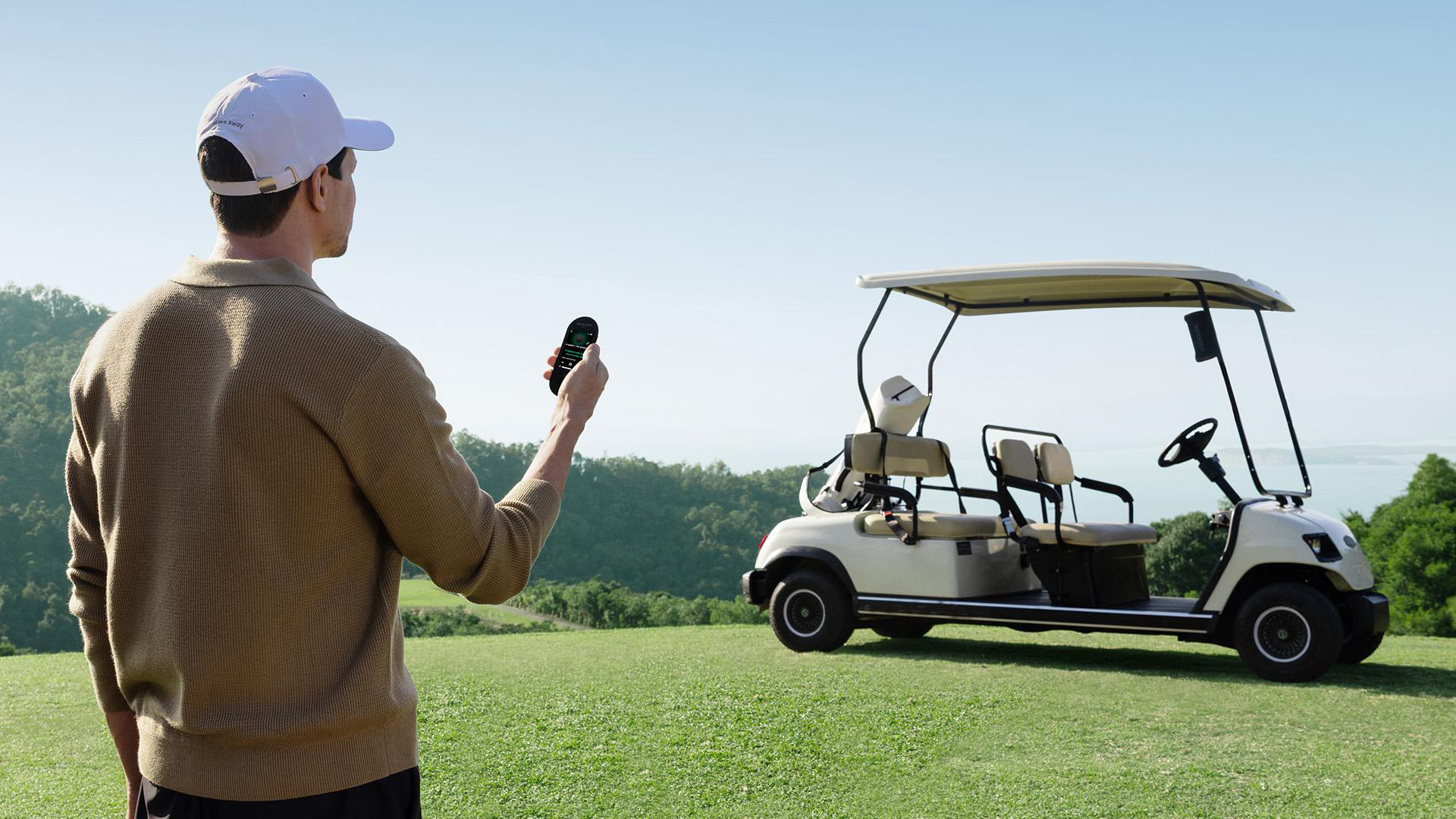
The detachable design lets you clip it to your bag or attach it to your cart for music throughout a casual round, then detach it for just GPS functionality when discretion is called for. The audio quality is clean enough to enjoy your music without blasting it across three fairways (but you can do that too if the moment calls for it). And the GPS accuracy means you’re not sacrificing performance for entertainment.
This product bridges both worlds. You can have your soundtrack and your respect for tradition. You can enjoy music during your range session to find tempo, then switch to silent GPS-only mode during your club championship. It adapts to the golf culture you’re in at any given moment.
What This Means for Golf’s Future
I’m more optimistic about golf’s future than I’ve been in years. We’re seeing record participation. Courses are full. Young players are flooding in. And yes, many of them have speakers.
The sport isn’t losing its soul; it’s expanding it. We’re learning that golf can be both meditative and musical, both traditional and modern, both serious and fun. These aren’t contradictions. They’re evolutions.
The silent revolution isn’t about choosing sides. It’s about recognizing that golf is healthier when it welcomes different approaches. Some of my best rounds have been in complete silence, communing with the course. Others have been soundtracked by everything from classical to hip-hop. Both experiences were authentically golf.
Your Role in the Revolution
If you’re a traditionalist, I encourage you to stay open. That group with the speaker might be a family introducing their kids to golf. That young player with earbuds might become the next tour star. Their path to loving this game might look different than yours, and that’s okay.
If you’re part of the soundtrack generation, I encourage you to stay aware. Learn the etiquette. Respect the moment. Understand that golf’s traditions exist for good reasons, even as we evolve them.
And if you’re somewhere in between, like most of us, embrace the flexibility. Enjoy the silence when it serves you. Enjoy the music when it lifts you. Let tools like the GeneSonic Pro offer options rather than forcing choices.
Golf’s cultural shift around sound isn’t a revolution against tradition. It’s a revolution toward inclusion. And after 30 years in this game, I can tell you: that’s a revolution worth celebrating.