The Disconnect That’s Costing You Strokes
I watched a competitive 20-year-old spend two hours on the range last week preparing for a regional tournament. His swing looked great. Ball striking was solid. He was stripping it. Then he played the tournament and shot 78 with three three-putts and two penalty strokes, finishing 8 shots worse than his range performance that week.
“What happened?” he asked afterward, genuinely confused. “I was hitting it so well on the range.”
Here’s what happened: he practiced in one environment and competed in another. His range session had no connection to his tournament experience. He was working on his swing but not on his competitive game.
After 30 years in golf, nearly 20 of them as a PGA Member and Coach, I’ve learned that the best practice sessions mirror the competitive playing experience as closely as possible. And one of the most overlooked elements of that mirroring is the sound environment and mental state.
The Psychology of Anchoring
Let me introduce you to a concept from sports psychology: anchoring. An anchor is a stimulus that triggers a specific mental or emotional state. Athletes use anchors all the time: a deep breath, a specific phrase, a physical gesture.
Music can be one of the most powerful anchors available to golfers. When you practice with specific music, your brain begins to associate that sound environment with the mental state you’re in during practice. If you’re relaxed, focused, and confident on the range with music playing, that music becomes an anchor for those feelings.
Now here’s where it gets interesting: what if that same device that’s playing your music during practice is also giving you GPS distances during your round? You’re creating a multi-sensory anchor. The device itself becomes associated with good golf. The sound of it. The feel of it clipped to your bag. The routine of checking it.
Why Most Practice Fails
Most golfers practice in a vacuum. They hit ball after ball with no real purpose, no simulation of on-course conditions, no mental engagement. They’re training their muscles but not their minds.
Then they get to the course and everything feels different. The pressure is real. The consequences matter. Their practice swing felt great, but now they’re standing over the ball with doubt creeping in.
The disconnect happens because practice didn’t prepare them for the mental demands of actual play. They trained the physical skill but not the psychological skill.
Creating Consistency Through Sound
Here’s what I’ve discovered through years of coaching competitive juniors and college golfers: when students practice with music and then have access to that same sound environment (even subtly) during their tournament rounds, their performance becomes more consistent.
Why? Because they’re practicing in a mental state that more closely resembles their competitive playing state. The music creates a consistent emotional environment. It reduces the gap between practice and tournament play.
I had a 17-year-old competitive golfer who struggled with first-tee nerves in junior tournaments. He could stripe it on the range during practice, but when he stepped up to the first tee in competition, doubt crept in and his drives became erratic. We started having him practice with a specific playlist of songs that calmed him down and got him focused before tournament rounds.
Then during his tournaments, he’d have that same playlist on low volume through his GPS speaker during his warm-up and between shots. Not loud. Just enough that he could hear it and reconnect with that focused mental state. His first-tee performance in tournaments transformed. Why? Because his brain recognized the environment. The anchor was working.
The GeneSonic Pro Practice-to-Play Bridge
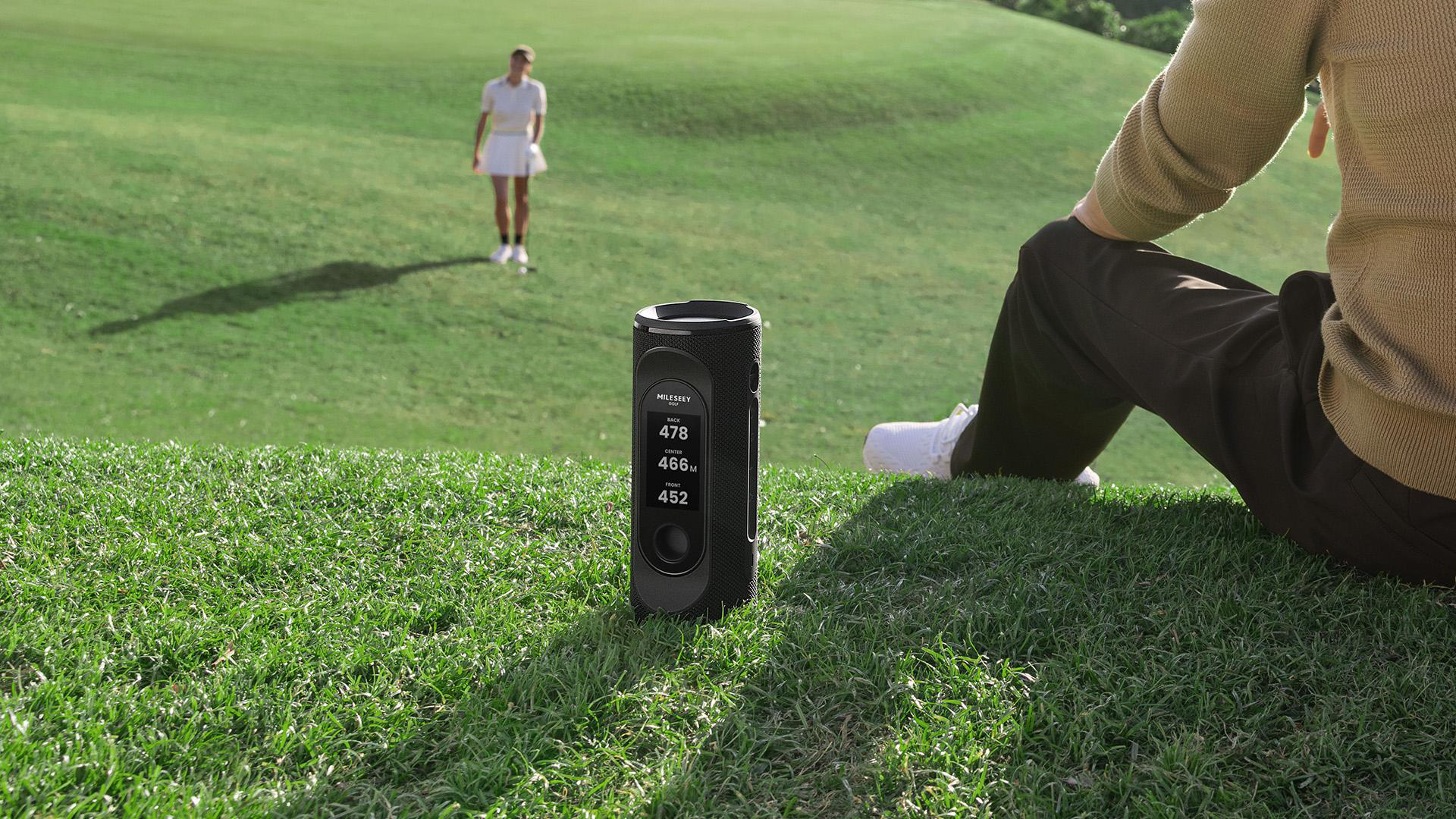
This is why the MILESEEY GeneSonic Pro GPS Speaker is such a brilliant piece of equipment for serious golfers. It’s not just a GPS device. It’s not just a speaker. It’s a bridge between practice and play.
On the range, it’s your practice partner. Quality audio playing your focus playlist. Creating that mental state you want to access. Building the anchor.
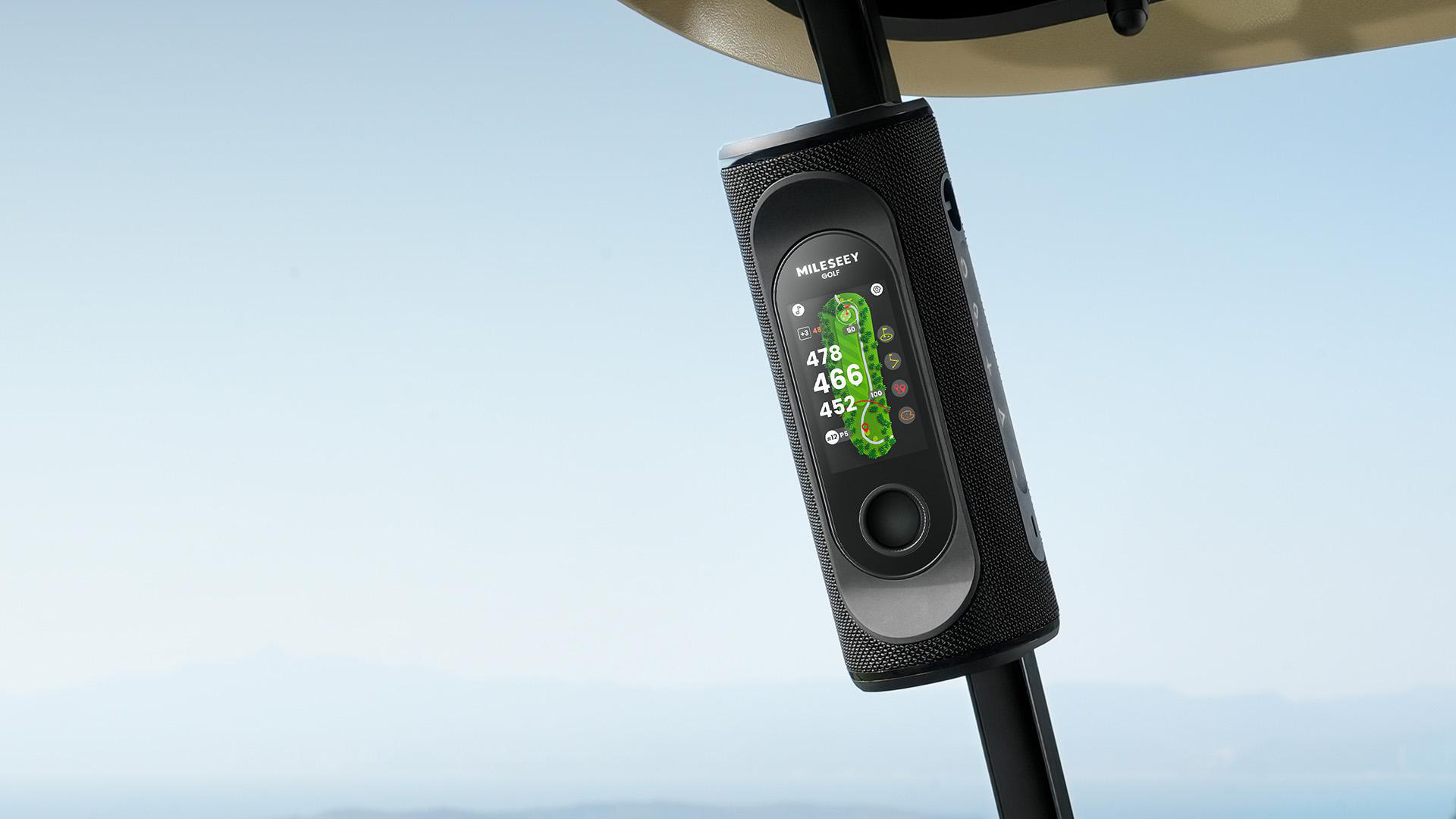
On the course, it’s your strategic tool. Accurate GPS distances to the front, center, and back of every green. Hazard information. Everything you need for smart course management.
But here’s the subtle magic: it’s the same device. The same physical presence. And if you want, the same subtle audio creates the same mental environment.
You’re not switching between different tools for practice and play. You’re using a single device to maintain consistency across both environments. That consistency is psychologically powerful.
Building Your Practice-to-Play Routine
Here’s how to use this concept effectively:
Step 1: Create Your Focus Playlist
Choose 10-15 songs that put you in your optimal mental state for golf. Not too amped up. Not too mellow. Right in that focused, confident zone. These become your golf songs.
Step 2: Practice With Purpose
Don’t just hit balls. Simulate on-course situations. Play imaginary holes. Hit the shots you’ll need on the course. And do it with your focus playlist playing through your GeneSonic Pro.
Step 3: Create Pre-Shot Consistency
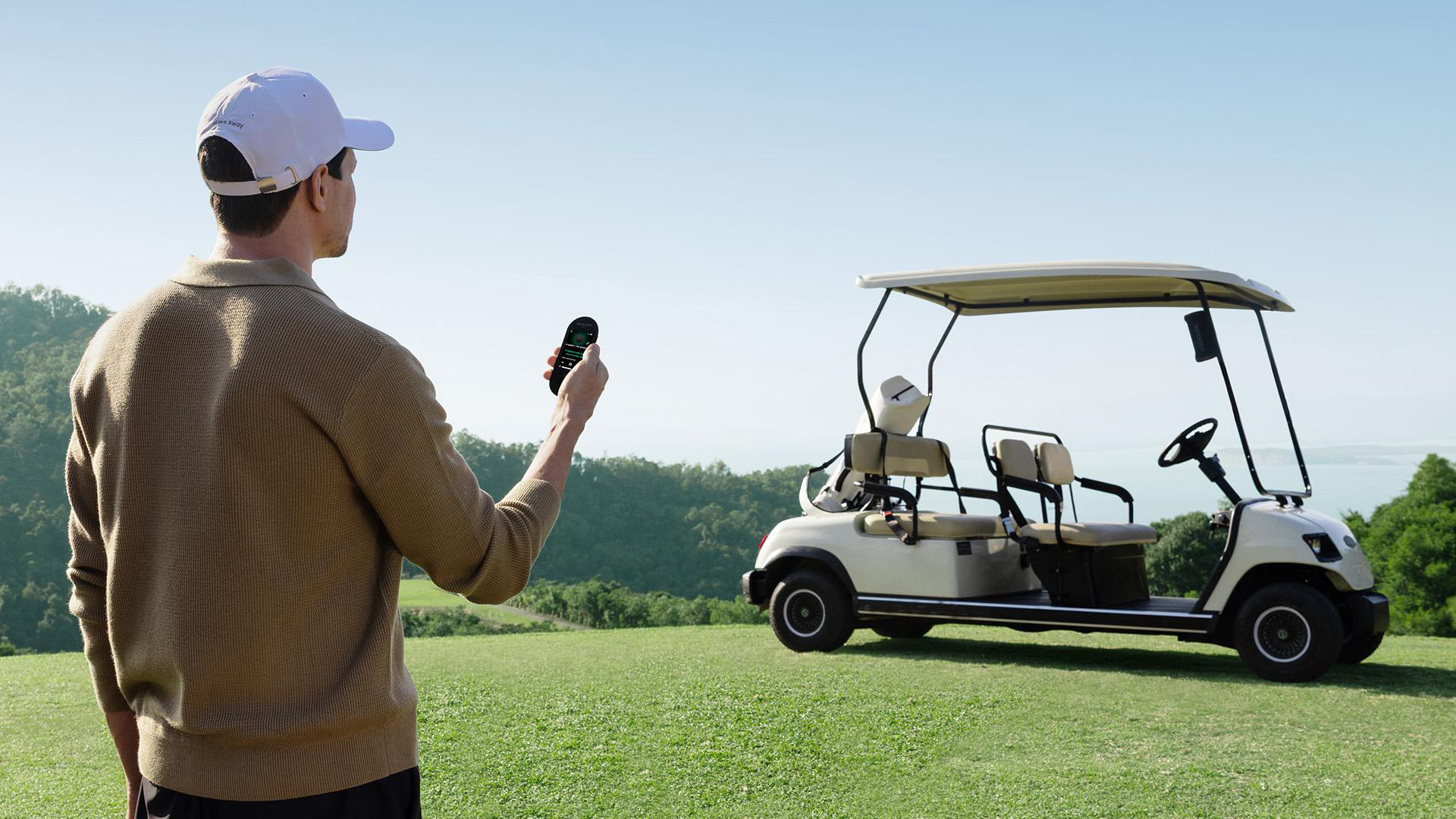
Develop a pre-shot routine on the range that you’ll use on the course. Check your GPS (even on the range, use it to know your exact distances). Go through your routine. Hit the shot. The device is part of the routine.
Step 4: Take It to the Course
Now, when you play, you’ve got the same device. The same routine. If it’s a casual round, you can have your focus playlist on low volume. If it’s a tournament, just use the GPS function. Either way, the device itself is an anchor.
Step 5: Evaluate and Adjust
Pay attention to your mental state. Are you more confident? More consistent? Less anxious? The practice-to-play bridge should create measurable improvements in your psychological game.
The Mental Game Nobody Talks About
Here’s what most golf instruction misses: the mental game isn’t just about positive thinking or visualization. It’s about creating consistent psychological environments that allow you to access your skills under pressure.
You can have the best swing in the world, but if you can’t access it when it matters, it’s useless. The gap between practice and play is primarily psychological, not physical.
When you practice with music and then have access to that same sound environment during play, you’re training your brain to perform in consistent conditions. You’re reducing the psychological gap.
I’ve watched students drop multiple strokes off their handicap not by changing their swing, but by changing how they practice and creating better consistency between practice and play.
Real-World Application
Let me give you a specific example. I have a 19-year-old competitive golfer, a scratch player who consistently shoots in the low 70s during practice rounds and range sessions. But in junior tournaments and college events, he’d shoot 76-78, sometimes worse. His swing was solid. His ball-striking was excellent. The problem was purely mental: tournament pressure would creep in, and he’d lose focus.
We identified that his practice sessions lacked structure. He’d hit balls casually, chat with friends, no real simulation of tournament conditions.
We changed his approach completely. He still practiced with teammates, but we added intentional structure. Focus playlist through his GeneSonic Pro during range sessions. Simulated tournament scenarios playing imaginary holes with specific targets, treating each shot like it mattered. Pre-shot routine every single shot, no exceptions. GPS checks, even on the range, to build the habit of using the device as part of his competitive routine.
Then, in tournaments, the same device. Same routine. GPS-only during competition, but the device itself became an anchor for that focused mental state he’d built during practice.
Six weeks later, he shot 71 in a regional amateur tournament, his best competitive round ever. His swing hadn’t changed. His mental game had transformed because we’d created consistency between practice and tournament play.
The Detachable Advantage
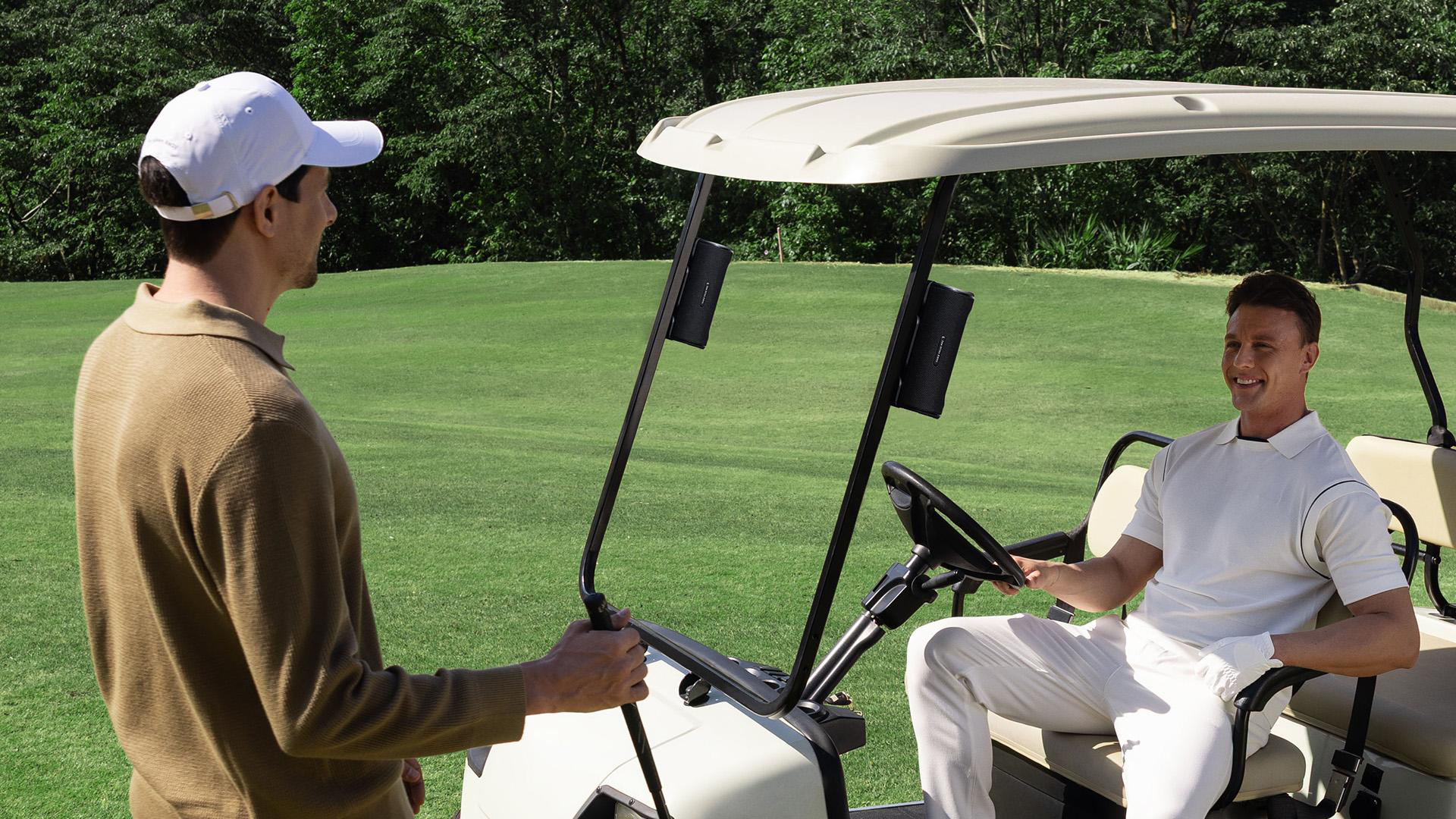
Here’s another brilliant element of the GeneSonic Pro: it’s detachable. You can clip the speaker portion to your bag for full audio during practice. Then detach it for GPS-only mode during tournaments or when playing with traditionalists.
This flexibility means you can adapt to any situation while maintaining the psychological anchor of the device itself. The GPS unit is always there. The speaker is optional. You’re in control of how you use the tool.
Beyond the Range
This practice-to-play concept extends beyond just range sessions. Use your GeneSonic Pro during:
Putting Practice: Same device. Same routine. Same mental state you’ll access on the course.
Short Game Work: Create consistency in your scoring zone practice.
Pre-Round Warm-Up: Bridge from practice to play with the same sound environment and device.
Post-Round Practice: Immediately work on shots that gave you trouble, using the same device that was with you during the round.
The more you can create consistency across all your golf activities, the more your brain recognizes golf as one unified experience rather than disconnected activities.
What the Research Shows
Sports psychology research consistently shows that athletes perform best when practice conditions closely mirror those of competition. This is called “specificity of practice.”
The more specific your practice is to actual playing conditions mentally, emotionally, and environmentally, the better your skills transfer to competition.
Music creates emotional consistency. GPS creates strategic consistency. Having both in one device creates a practice-to-play bridge that most golfers never build.
Your Action Plan
Here’s what I want you to do this week:
- Create your focus playlist (10-15 songs that put you in an optimal golf mindset)
- Practice with your GeneSonic Pro (clip it to your bag, play your playlist)
- Simulate on-course situations (don’t just hit balls, play imaginary holes)
- Build your pre-shot routine (include checking GPS as part of the routine)
- Take it to the course (same device, same routine, adapted to the situation)
Give it three weeks of consistent application. I’m confident you’ll see measurable improvement in your on-course performance, not because your swing got better, but because your mental game became more consistent.
The Bigger Picture
Golf is played between the ears as much as it’s played with the body. The best players in the world understand this. They create consistent routines, consistent mental states, consistent environments.
You don’t need to be a tour player to apply these principles. You just need the right tools and the right approach.
The GeneSonic Pro isn’t just a GPS device with a speaker attached. It’s a practice-to-play bridge. It’s a psychological anchor. It’s a tool for creating the consistency that separates good practice from effective practice.
Practice like you play. Play like you practice. Use the same tools. Create the same mental state. Build the bridge.
That’s how you turn range success into on-course performance.