Few shots create more doubt for everyday golfers than the forced carry.
Give a player a clean look at the green with nothing in front of it and they can talk themselves into confidence. Put a bunker between them and the target, and suddenly the swing changes before the club even moves.
They get quick. They get careful. They steer it. Or they freeze on the wrong club because they are thinking more about the sand than the shot.
That is the real damage forced carries do. They do not just challenge your technique. They hijack your decision-making.
After decades in this game, I can tell you the best way to handle forced carries is not bravado. It is clarity.
You need a blueprint.
What Golfers Usually Get Wrong
Most players think about only one number: the number to the pin.
That is the wrong place to start.
On a shot over a bunker, the first number that matters is the carry. How far do you need the ball to fly to safely clear the trouble and get onto useful ground?
That might be the front edge of the green. It might be the front lip of the bunker plus enough buffer to make a normal swing. It might be a specific section of fairway on a layup.
If you skip that number and go straight to the flag, you are building the shot backward.
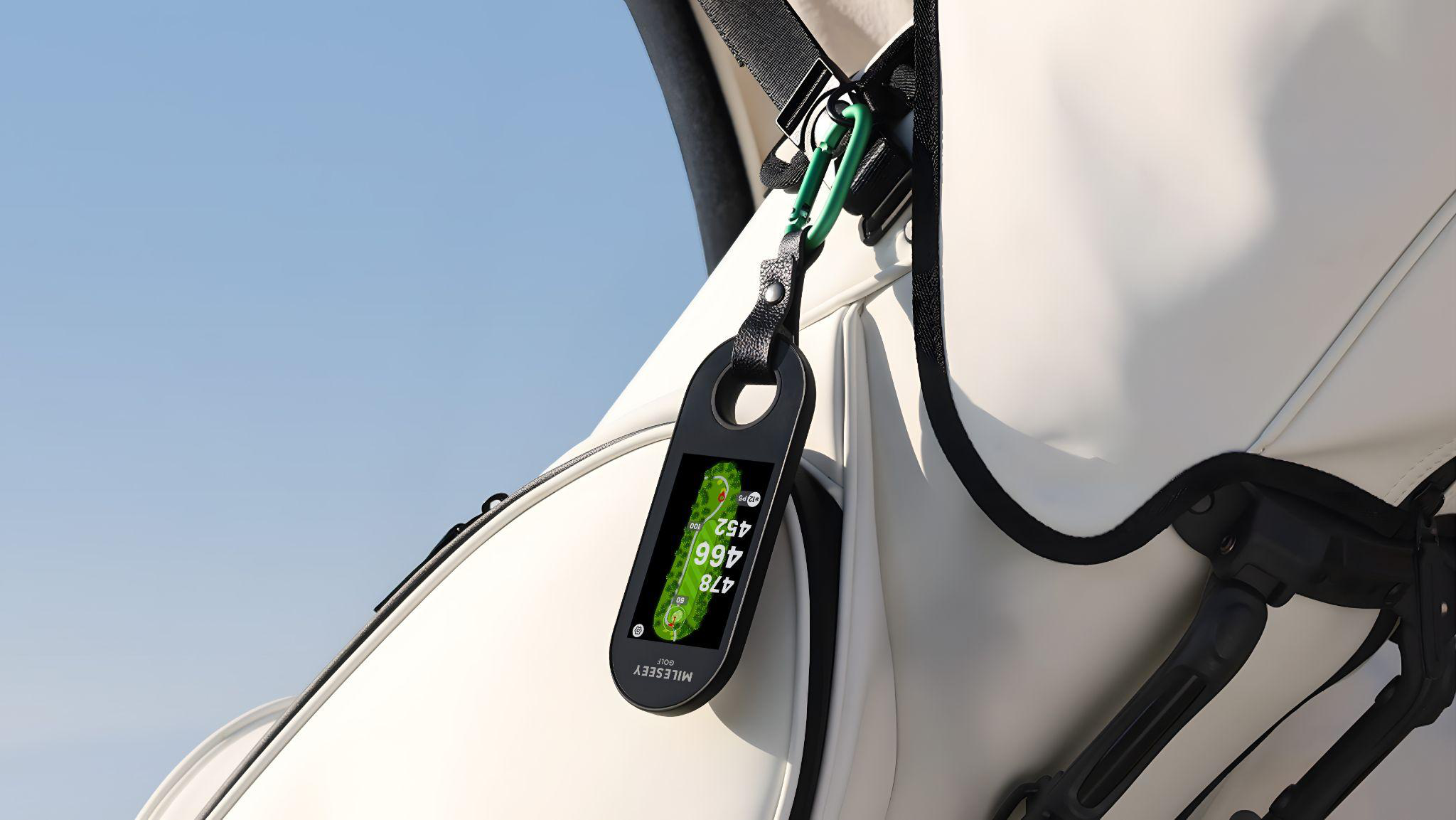
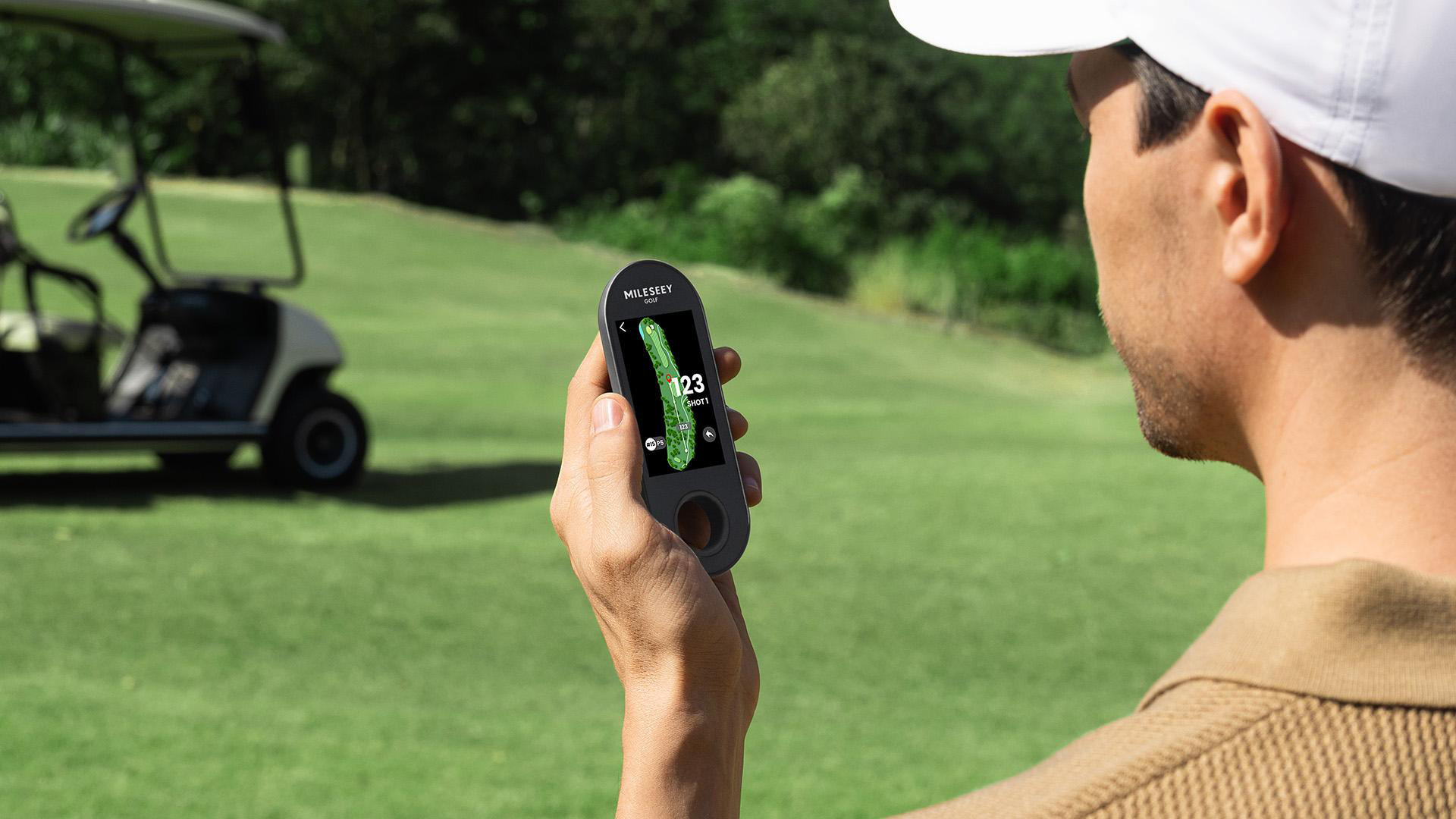
The GeneSonic Pro helps because it gives you a cleaner view of the hole and the yardages that shape the real decision. That lets you stop thinking emotionally and start thinking strategically.
Carry Distance Is Not the Same as Total Distance
This is one of the most important coaching conversations in golf.
A lot of golfers know how far a club goes on a great strike under friendly conditions. Far fewer know how far it reliably carries.
That difference matters a lot over a bunker.
If your 7-iron sometimes goes 155 total but typically carries 145, and the safe carry over the bunker is 148, then that club is not the play, no matter how much you want it to be.
You need enough club to clear the trouble without needing your absolute best swing.
That is the heart of the bunker carry blueprint. Choose for the carry requirement, not the ego number.
Build a Margin, Not a Miracle
The best decision-makers in golf do not play shots with zero room.
They build margin.
If the bunker carry is 132, do not choose the club that flies 132 when everything goes right. Choose the club that carries 140 with a normal motion. If the green is shallow and the back edge is dangerous, maybe the answer is not flying all the way to the pin. Maybe the answer is carrying onto the front-middle and letting the putter do the rest.
That is smart golf.
The GeneSonic Pro is useful here because when you can see the hole better and understand the shape of the target, you stop viewing every carry as all-or-nothing. You start seeing landing zones, buffers and options.
That is how confidence gets rebuilt.
Not Every Forced Carry Should Be Attacked
Here is another truth golfers need to hear.
Some forced carries are not full-green situations. Some are simply advance-the-ball situations.
If you are between clubs, playing into the wind or sitting on a poor lie, the smart play may be to favor the safe portion of the target or even lay back to a better number if that option exists.
Too many golfers turn one challenging carry into two bad swings because they are offended by the idea of playing conservatively.
That is not strategy. That is stubbornness.
A good blueprint includes the bailout.
What is the smart miss? What part of the hole gives you the most room? What leaves a simple next shot if you do not pull off the perfect one?
Those are winning questions.
Your Bunker Carry Blueprint
Here is the routine I teach.
First, identify the true carry number. Second, choose the club based on reliable carry, not max distance. Third, factor in wind, lie and conditions. Fourth, pick a landing area, not just a flag. Fifth, commit to a full, athletic swing.
That last part matters.
Nothing good happens when golfers try to guide the ball over trouble. If you have chosen enough club and a smart target, trust the plan.
Because that is really what the bunker carry blueprint is all about.
It is not eliminating pressure. It is reducing uncertainty.
And in golf, that is often the difference between a swing made in fear and a swing made with purpose.
By Brendon R. Elliott, PGA PGA Professional | Coach | Industry Consultant | Golf Writer