Wind is one of the greatest truth-tellers in golf.
It does not care how good your swing felt on the last hole. It does not care what club you usually hit from a certain distance. And it definitely doesn't care which shot you want to hit.
It only cares about what the ball is going to do once it leaves the clubface.
I have coached enough golfers over the years to know this: many players do not actually struggle with wind because of technique. They struggle because they make poor decisions before the swing even starts.
They trust a stock yardage that belongs to a calm day. They underestimate a hurting wind. Or they panic into taking too much club and make a swing that has no commitment behind it.
Wind exposes fuzzy thinking.
That is why the goal is not to guess better. It is to create a better system.
Start With the Real Number
The first thing wind does is tempt golfers to abandon logic.
A player sees 142 yards into a breeze and immediately starts thinking 165. Another sees the same number downwind and starts trying to feather something cute that they do not really own.
The problem is not that they are thinking about wind. The problem is that they are skipping the baseline.
You always need the real number first.
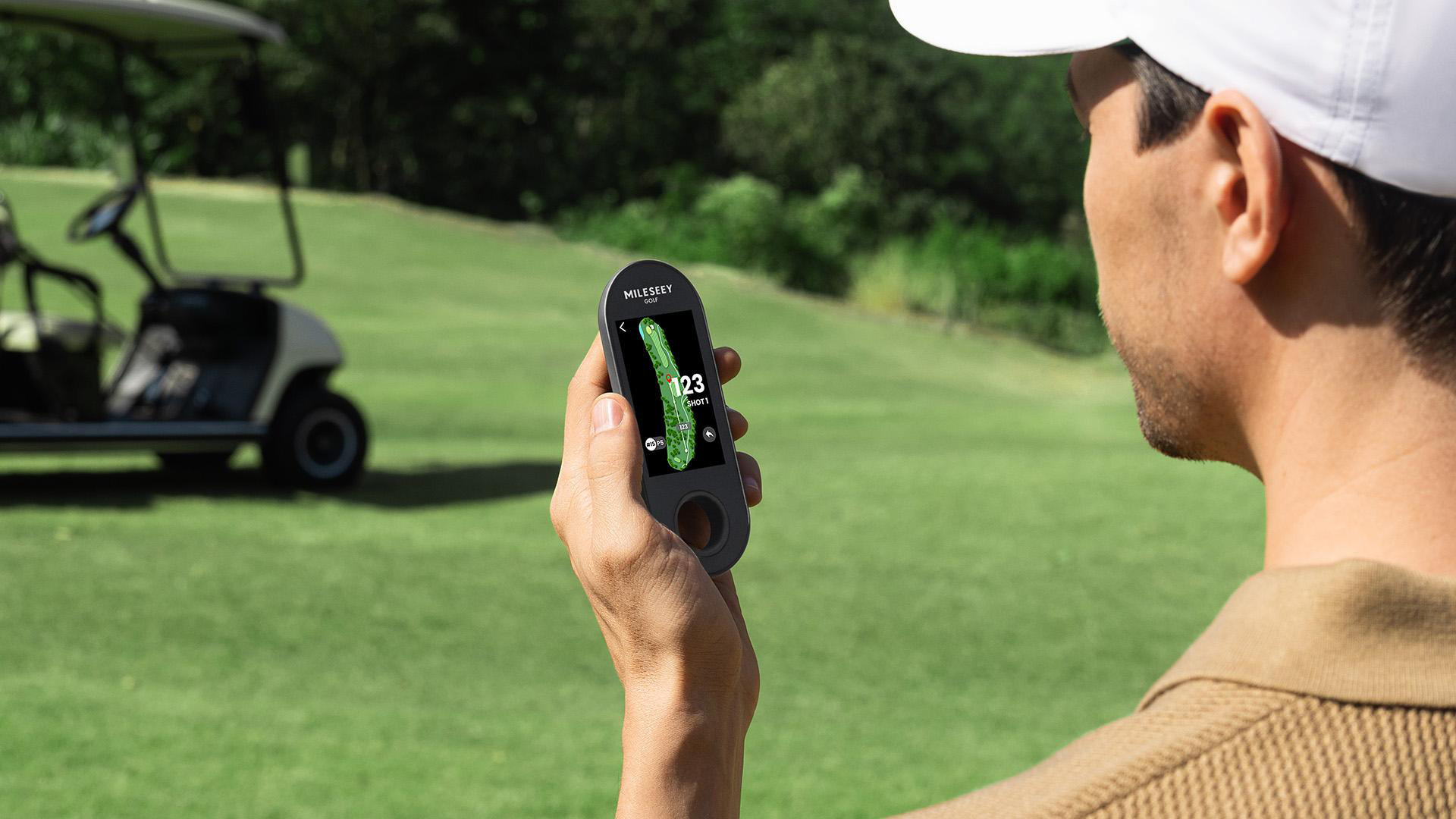
That is where GPS becomes so valuable. Before you can make a smart wind adjustment, you need a clean, reliable starting point. You need to know the front, center and back. You need to understand green depth. You need to know where long or short really leaves you.
The GeneSonic Pro gives you that foundation. Once you know the actual number and the shape of the target, your wind adjustment becomes more thoughtful and less emotional.
Understand the Wind Window
I like to teach players to think in terms of a wind window rather than a single exact correction.
Why?
Because wind is not static.
It shifts. It gusts. It changes at tree height versus ball height. It can help at the tee and be neutral near the green. If you treat wind like a fixed equation, you are going to fool yourself.
A wind window gives you a smarter framework.
Maybe your 145-yard shot is really playing somewhere between 152 and 158 into a steady breeze. Maybe the number downwind is effectively somewhere between 136 and 140, depending on how high you launch it. That range lets you choose a club and shot pattern that makes sense instead of obsessing over one perfect number that may not exist.
The Green Matters as Much as the Wind
This is where many golfers get lazy.
They focus only on how the wind affects carry distance, not on which part of the green they should aim toward.
A front pin into the wind is not just a distance question. It is often a restraint question. If the miss short is severe, the right play might be to take more club and aim deeper into the green. A back pin downwind is not automatically a green light either. If long is dead, then the smart play may still be center green.
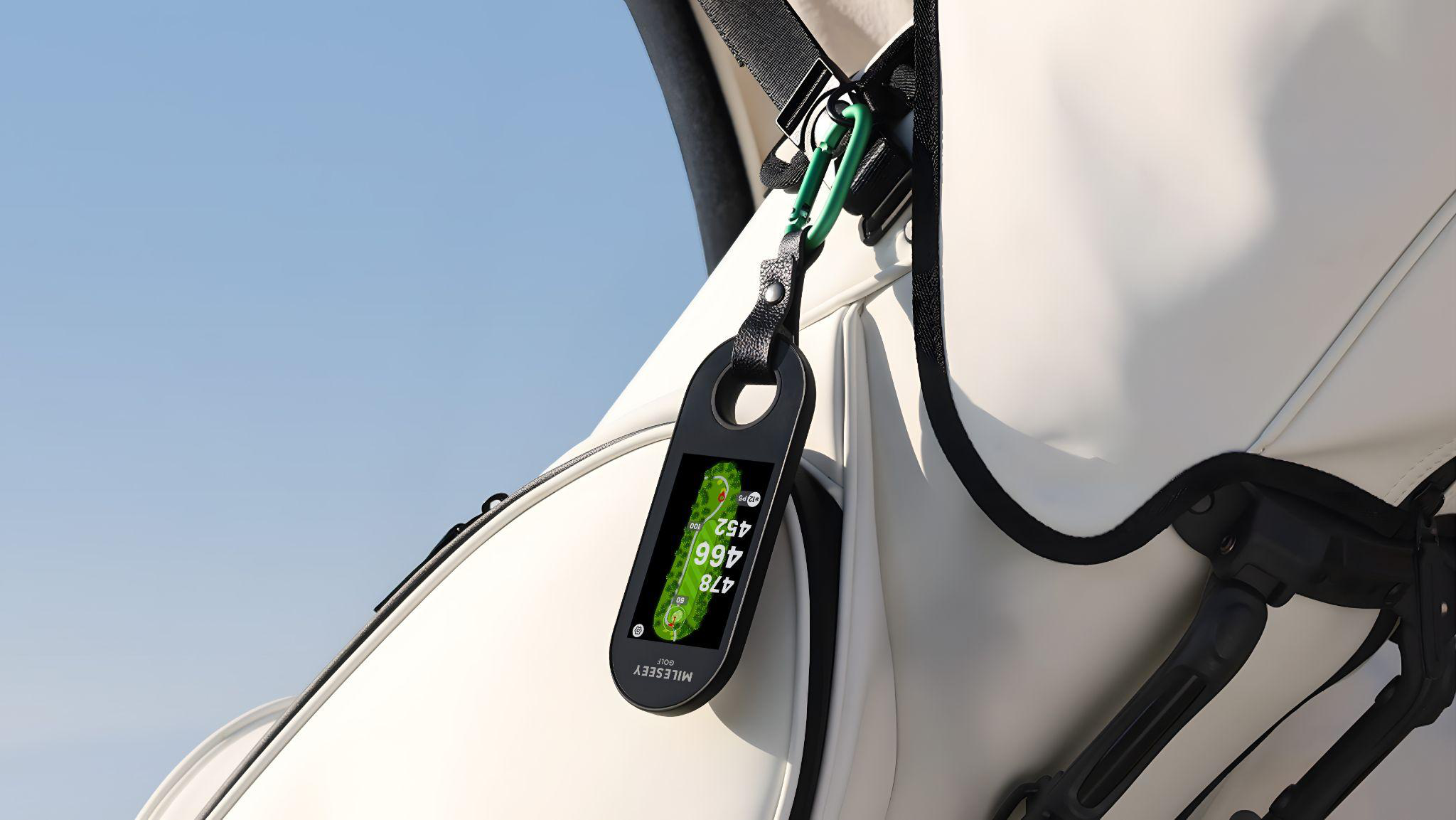
This is why front, center and back numbers matter so much. The GeneSonic Pro helps golfers see the target in layers, not just as one flat number. In the wind, that changes everything.
Match the Club to the Shot You Can Trust
One of the biggest coaching mistakes I see is golfers choosing a club that technically covers the adjusted distance but does not match the shot they are capable of hitting.
That is where trouble starts.
If you need to hit a hard, squeezed 9-iron into the wind and that shot is not really in your tool kit, you are probably better off hitting a controlled 8-iron you actually trust. If the shot calls for a lower flight, choose the club that lets you create that shape without feeling like you have to manufacture magic.
Wind rewards simplicity.
The GeneSonic Pro cannot choose the club for you, but it can provide clear yardage and visual information that helps you make a more disciplined choice.
A Better Wind Routine
Here is the routine I recommend.
First, get the actual yardage. Second, check front, center and back so you understand your landing space. Third, feel the wind and decide on a realistic adjustment range, not a fantasy number. Fourth, choose the club that lets you hit a trusted shot. Fifth, commit to a target that fits the conditions, not just the flag.
That is how you turn wind from a source of frustration into something manageable.
Because the truth is this: you are never going to control the breeze.
But you can absolutely control how prepared you are for it.
That is the wind window.
Not panic. Not guesswork. Just better information, smarter choices and swings made with conviction.
By Brendon R. Elliott, PGA PGA Professional | Coach | Industry Consultant | Golf Writer