The Song That Fixed My Student’s Tempo
Last summer, I had a college golfer on my roster, a competitive 20-year-old working on her iron game, who couldn’t stop rushing her downswing. We tried everything, counting methods, pause drills and video analysis. Nothing stuck. Then, during a break, “Wonderful Tonight” by Eric Clapton came on the range speaker. She made a practice swing, perfectly in rhythm with the song and looked at me with wide eyes.
“That felt completely different,” she said.
We spent the rest of the session hitting balls to that song. Her tempo smoothed out immediately. Three weeks later, she dropped three strokes off her handicap. The song didn’t teach her new mechanics; it gave her brain an external rhythm to lock onto, which freed up everything else.
That’s when I started suggesting that my students build practice playlists. Not just any songs. Specific tracks with BPMs and rhythms that promote efficient swing mechanics. After nearly 20 years as a PGA Coach, I can tell you: the right music isn’t a distraction. It’s a training tool.
The Science Behind the Soundtrack
While I work primarily with competitive teens and 20-something golfers, the concepts around rhythm, tempo and motor learning apply to every golfer, whether you’re 12 or 72, shooting 65 or 95. The science of how your brain locks onto external rhythmic cues doesn’t change with age or disability. If you struggle with tempo, rush your swing, or want to groove more consistent mechanics, this playlist approach works for you too.
Let’s talk about why this actually works. Motor learning research shows that external rhythmic cues help establish consistent movement patterns. When you’re trying to consciously control tempo, you’re using cognitive resources that could be focused on other elements of your swing.
But when music provides the tempo externally, your brain can focus on turn, weight shift and contact while your body naturally syncs to the beat. It’s the same principle behind why soldiers march to cadence or why runners train to specific BPM playlists.
The sweet spot for golf swing tempo varies widely by player, but on average, it is around 60-75 BPM. At this tempo, you get smooth, controlled movements that match tour-level swing speeds. Too fast and you rush. Too slow and you lose rhythm. Right in that range and everything flows.
The Practice Playlist
Here are 10 songs that sit in that perfect tempo range, organized by genre, so you can find what resonates with you. Each one has been tested with my students and each one promotes smooth, rhythmic swing mechanics.
1. “Wonderful Tonight” by Eric Clapton (63 BPM)
This is my go-to recommendation for students who rush their swing. The gentle, flowing rhythm naturally slows everything down without feeling forced. The guitar work has a smoothness that translates beautifully to swing tempo.
2. “In the Air Tonight” by Phil Collins (63 BPM)
The iconic drum intro aside, this song has a steady, driving beat that’s perfect for establishing a consistent tempo. Students love it because it’s engaging enough to enjoy but not so complex that it becomes distracting.
3. “Tennessee Whiskey” by Chris Stapleton (68 BPM)
For country fans, this is gold. The soulful, steady rhythm promotes a smooth takeaway and controlled transition. The song’s emotional quality also helps players stay relaxed, which is crucial for maintaining a good tempo.
4. “Let’s Stay Together” by Al Green (67 BPM)
Classic soul with a groove that’s impossible not to feel. This song is particularly good for players who get too mechanical. The rhythm is so natural that it helps you stop thinking and start flowing.
5. “Ain’t No Sunshine” by Bill Withers (75 BPM)
Slightly faster than the others, this is perfect for players who tend to be too slow and deliberate. The steady beat keeps you moving without rushing. Great for practice sessions where you want to maintain pace.
6. “The Thrill Is Gone” by B.B. King (72 BPM)
Blue’s guitar at its finest, with a tempo that’s ideal for golf. The bending notes and sustained phrases mirror the feeling of a smooth, extended swing. Students often report that this song helps them feel the “lag” in their downswing.
7. “Hallelujah” by Jeff Buckley (60 BPM)
On the slower end, this is perfect for players who need to really slow down and feel each phase of their swing. The emotional depth of the song also promotes the kind of presence and focus that leads to better ball-striking.
8. “Crazy” by Patsy Cline (75 BPM)
Classic country with a tempo that’s just right for maintaining rhythm without dragging. The vocal phrasing has a natural rise and fall that mirrors the backswing and downswing beautifully.
9. “Come Away With Me” by Norah Jones (68 BPM)
Jazz-influenced pop with a laid-back groove that’s perfect for practice sessions. The piano work has a flowing quality that helps players find smooth transitions. Great for working on tempo without feeling like you’re doing a drill.
10. “At Last” by Etta James (62 BPM)
Timeless soul with a tempo that promotes effortless swing mechanics. The orchestration builds and releases in a way that mirrors the loading and unloading of a golf swing. Students consistently report that this song helps them feel more connected to their swing.
How to Use Your Practice Playlist
Don’t just turn on the music and start hitting balls randomly. Be intentional about how you practice with these songs. Here’s the framework I use with my students:
Warm-Up Phase (10 minutes): Start with just practice swings. No ball. Pick one song and make 20 practice swings that sync with the beat. One beat for backswing, one beat for downswing. Let your body feel the rhythm before you add the complexity of actually hitting a ball.
Integration Phase (15 minutes): Now add the ball, but keep your focus on tempo, not results. Hit 20 balls with one song on repeat. You’re training your body to maintain rhythm even when you’re trying to make solid contact. Don’t worry about where the ball goes yet.
Application Phase (20 minutes): Add your full pre-shot routine. Pick targets. Try to hit specific shots. But keep the music playing. This is where you test whether you can maintain tempo when you’re actually trying to perform. This is the phase that translates to the course.
Internalization Phase (10 minutes): Turn off the music. Hit 15 balls. Can you maintain that tempo without the external rhythm? If yes, the tempo is starting to become automatic. If no, you need more time in the earlier phases.
The GeneSonic Pro Advantage
Here’s where equipment matters. I’ve tried practicing with phone speakers, cheap Bluetooth speakers and earbuds. Each has significant limitations for this kind of training.
Phone speakers don’t have the volume or audio quality to really feel the music outdoors on a range. You’re straining to hear it, which defeats the purpose. Cheap Bluetooth speakers distort at higher volumes and lack the bass response that helps you feel the rhythm in your body.
Earbuds work for tempo, but they isolate you completely. You can’t hear your ball contact, you can’t hear your coach and you’re disconnected from your environment. That’s fine for a workout, but not ideal for golf practice.
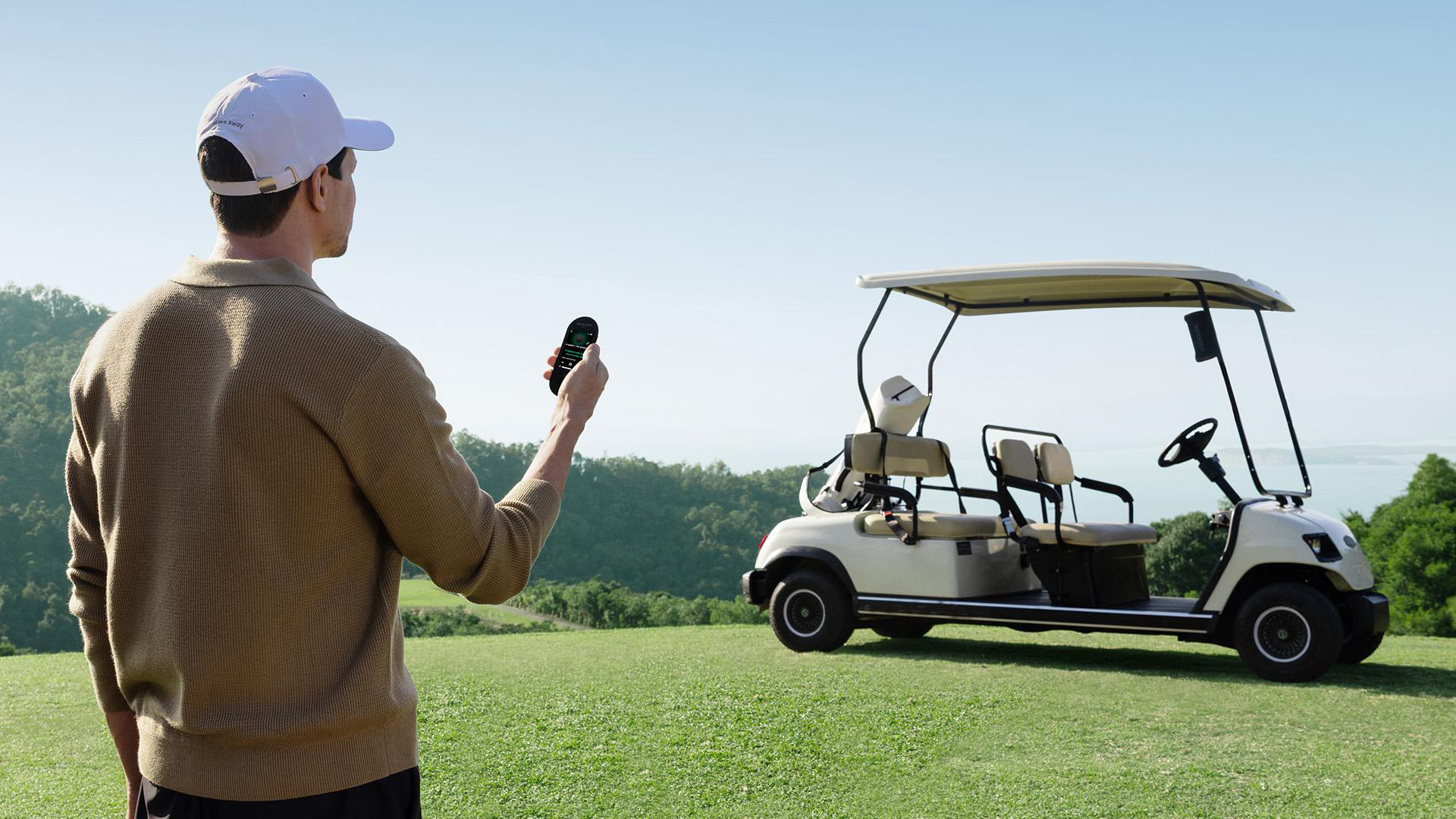
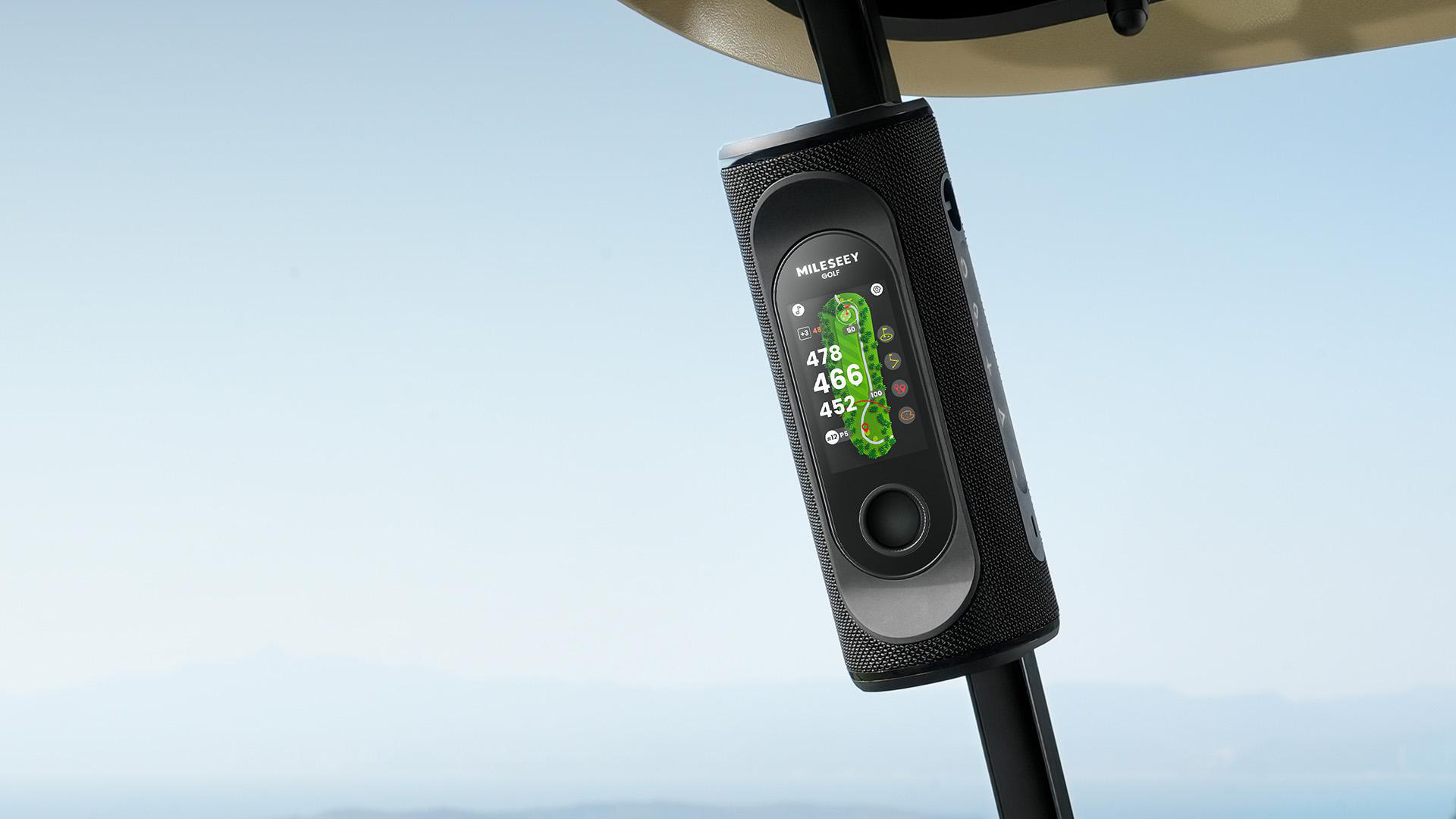
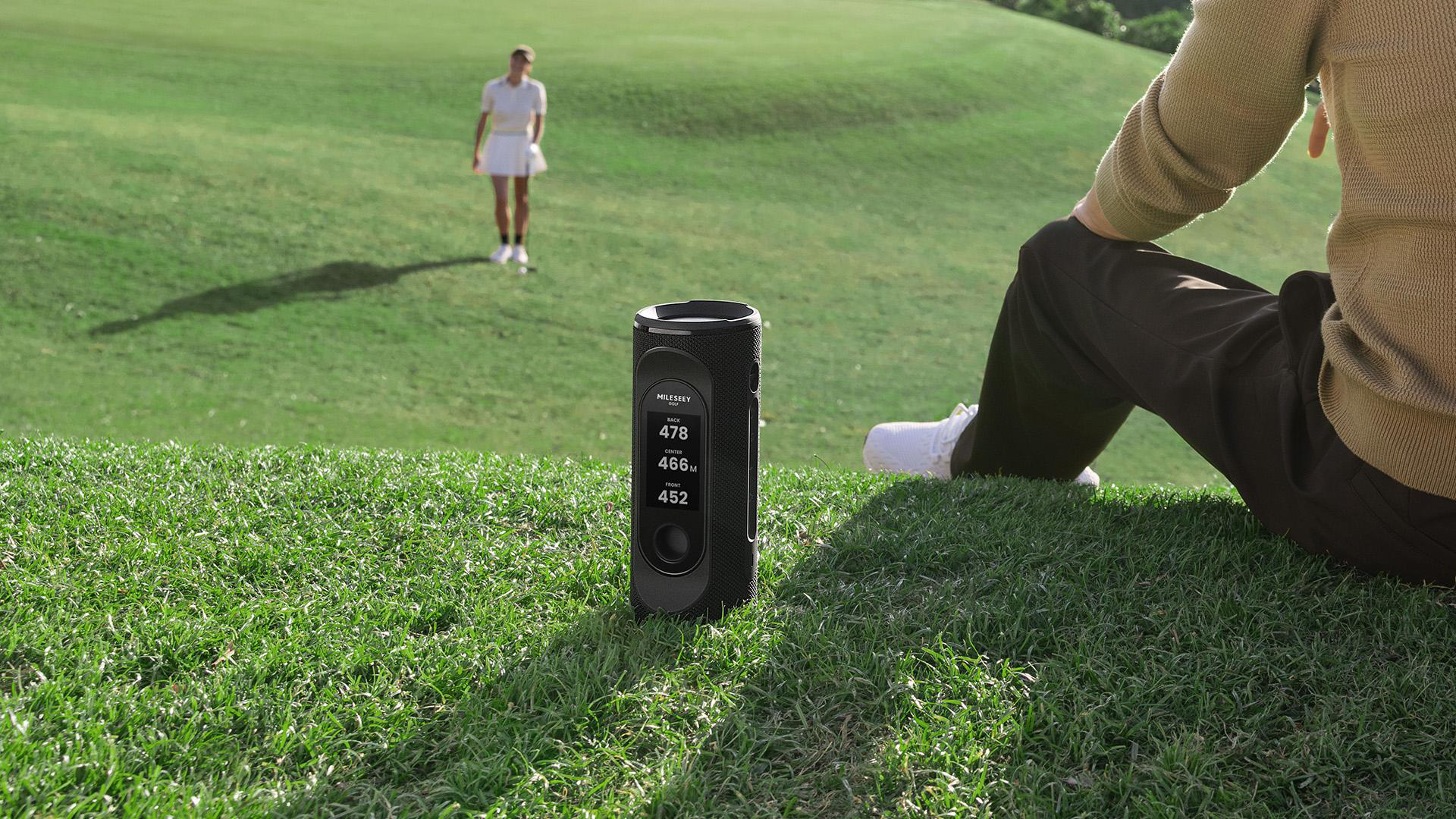
The MILESEEY GeneSonic Pro GPS Speaker solves all of this. The audio quality is clean and full, even at range-appropriate volumes. The bass response is good enough that you can actually feel the beat, which is crucial for internalizing rhythm. And you’re not isolated, you can still hear everything around you while the music provides that external tempo cue.
Plus, it’s giving you accurate GPS distances while you practice. So you can work on tempo while also dialing in your real carry distances for each club. Two training tools in one device.
Genre Doesn’t Matter, BPM Does
I’ve had students who swear by classical music for tempo training. Others prefer hip-hop, jazz, or even electronic music. The genre doesn’t matter as long as the BPM is in that 60-75 range.
The key is finding music you actually enjoy. If you hate the song, you won’t want to practice. And consistent practice is what ingrains tempo. So use my playlist as a starting point, but don’t be afraid to find your own songs in that BPM range.
There are apps and websites where you can search for songs by BPM. Build a playlist of 20-30 songs you love that sit in that tempo sweet spot. That’s your practice soundtrack for the next few months.
Common Mistakes to Avoid
Mistake 1: Choosing songs that are too fast because they pump you up. A 120 BPM song might be great for the gym, but it’ll make you rush your swing. Always check the BPM before adding songs to your practice playlist.
Mistake 2: Only practicing with music and never without it. You need to internalize the tempo so you can access it during rounds when music isn’t allowed. Always end your practice sessions with music off.
Mistake 3: Trying to match every single swing to the beat perfectly. The music is a guide, not a metronome. Let it influence your rhythm without becoming rigid about it. Feel the groove, don’t count the beats.
Mistake 4: Giving up after one session. Tempo training takes time. Your body needs repetition to establish new movement patterns. Give it at least two weeks of consistent practice before evaluating results.
Taking It to the Course
Once you’ve spent a few weeks grooving your tempo on the range with these songs, something remarkable happens: your tempo stays more consistent on the course, even without music.
That’s because you’ve trained your internal rhythm. The music was the teacher, but your body learned the lesson. Now that tempo is accessible whenever you need it.
On casual rounds, I actually recommend keeping music on at a low volume. The GeneSonic Pro makes this easy, clip it to your bag, keep your practice playlist on low and you’ve got both your soundtrack and your GPS distances. You’re already in rhythm when you get to your ball and you know exactly how far you have to the pin.
Your Action Plan
Here’s what I want you to do this week:
- Download these 10 songs (or find your own in the 60-75 BPM range)
- Create a playlist specifically for practice
- Spend 30 minutes on the range following the four-phase framework
- Focus on smooth, rhythmic swings that match the beat
- End with 10 swings without music to test internalization
Do this three times this week. Then assess. I’m confident you’ll feel a difference in your swing consistency and tempo.
The right music isn’t a distraction; it’s a training tool that makes practice more effective and more enjoyable. And with the GeneSonic Pro, you’ve got quality audio for tempo training plus GPS for distance work. Everything you need to improve, all in one device.
Find your rhythm. Groove your swing. Enjoy the process.