The Moment I Changed My Mind
I used to be a purist. Absolute silence on the golf course. No music. No speakers. Golf was a sanctuary and sound was sacrilege.
Then I coached a 17-year-old competitive golfer who arrived at a session visibly tense. Her parents had been pushing expectations. She was overthinking every shot, frustrated before she even started. I asked if she’d be willing to try something different, music at low volume during our warm-up session. Just to see if it helped her settle in.
Everything changed. She relaxed. Started smiling. Actually engaged with the process instead of fighting it.
By the end of that session, she said, “That actually helped. Can we do that again next time?”
That’s when I realized: my version of respecting the game was keeping someone else from discovering how to play it better.
After 30 years in golf, nearly 20 as a PGA Member and Coach, I’ve learned that respecting the game doesn’t mean preserving it in amber. It means honoring its core values while welcoming new expressions of those values.
The Core Values Don’t Change
Let’s start with what doesn’t change. Golf’s fundamental values are timeless:
Respect for other players. Don’t interfere with someone else’s experience.
Respect for the course. Take care of the environment you’re playing in.
Respect for the game. Honor the traditions and spirit of golf.
Integrity. Play by the rules. Be honest. Do the right thing even when no one’s watching.
These values are non-negotiable. They’re what make golf special. They’re what separate golf from just hitting a ball around a field.
But here’s what I’ve learned: these values can be expressed in different ways. Silence isn’t the only form of respect. Tradition isn’t the only form of honor.
Reading the Room
The most important skill in modern golf etiquette is reading the room. Not every situation calls for the same approach.
Tournament Play: Silence during shots. No music. This creates an environment where everyone can perform their best under pressure.
Casual Weekend Round: If your group enjoys music and you’re not bothering anyone else, that’s fine. If the group ahead values quiet, honor that.
Practice Range: Music is acceptable and often beneficial. Just keep the volume reasonable so you’re not imposing on others.
Playing with Strangers: Default to conservative. Feel out the vibe and adjust accordingly. When in doubt, ask: “Hey, we sometimes like to have some music on during casual rounds. Is everyone cool with that?” Most people respond well to being asked.
The key is awareness. You’re thinking about the experience you’re creating for everyone around you.
The GeneSonic Pro Etiquette Advantage
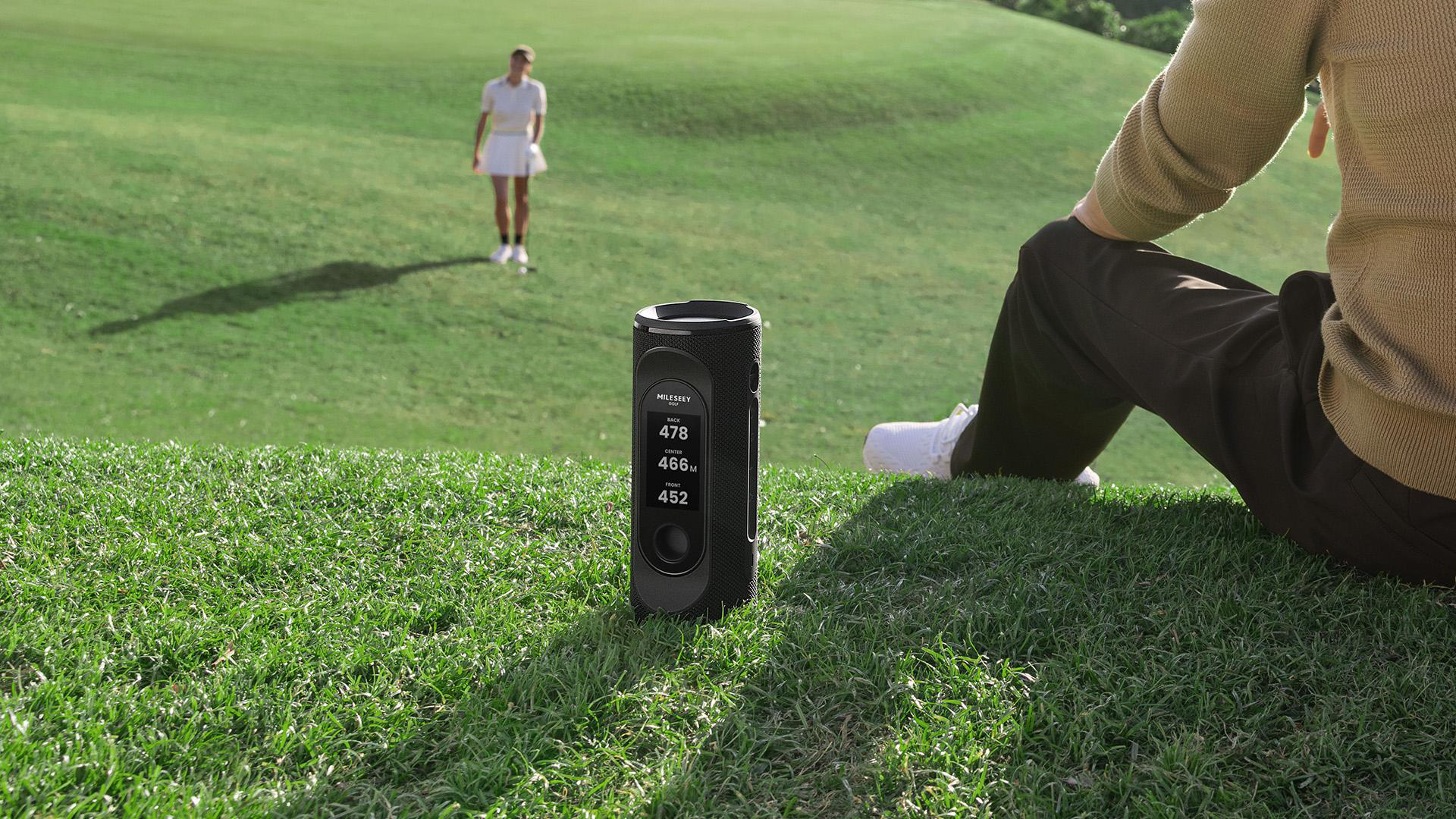
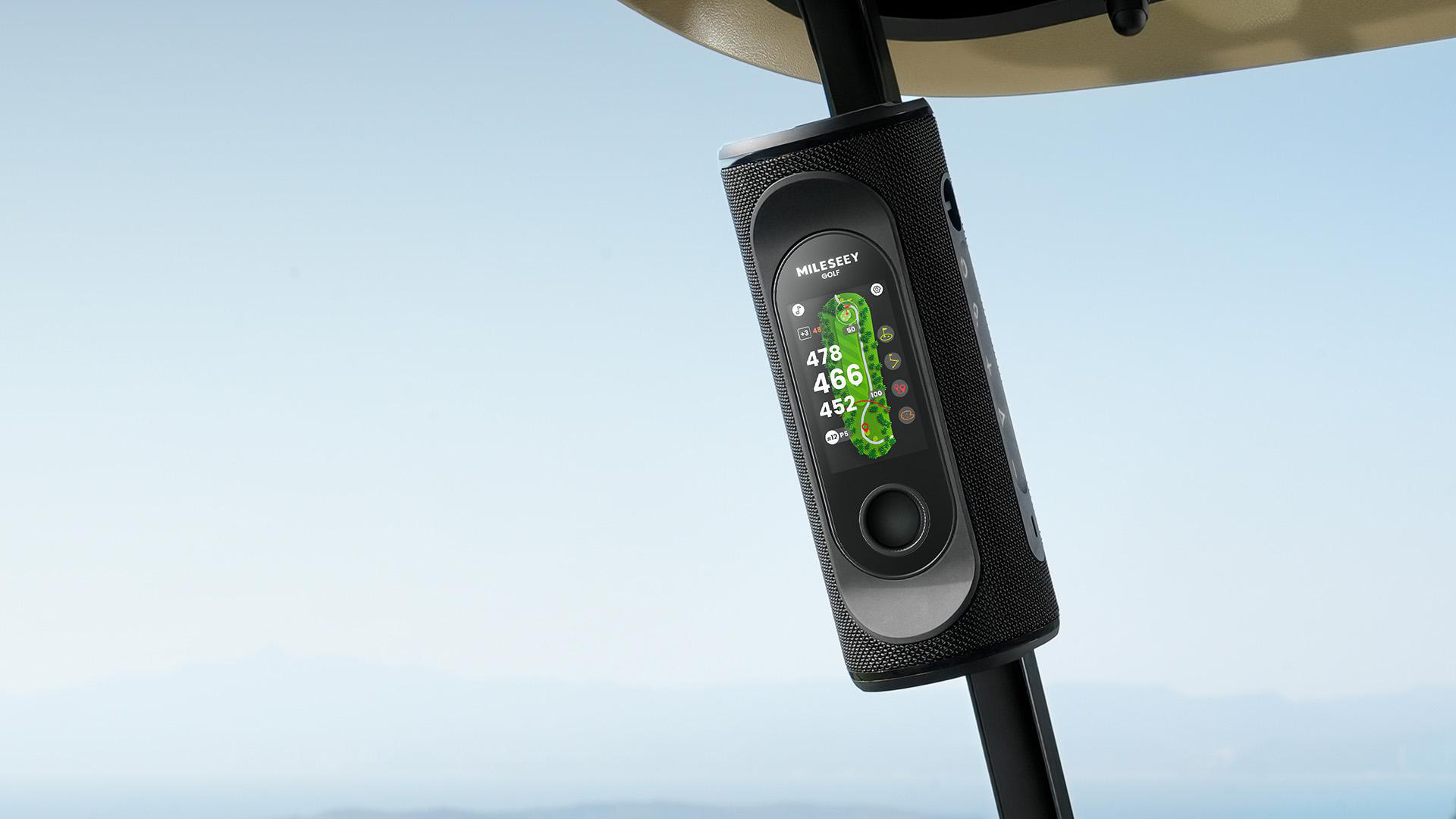
This is where thoughtful equipment design matters. The MILESEEY GeneSonic Pro GPS Speaker gives you options, which means you can adapt to any situation.
Full Audio Mode: Casual rounds with friends who enjoy music. Practice sessions. Situations where music enhances the experience.
Low Volume Mode: Playing with mixed groups. Keeping subtle background music for mental clarity without being disruptive.
Detached GPS-Only Mode: Tournaments. Playing with traditionalists. Situations where silence is appropriate.
You’re not locked into one approach. You can read the room and adjust accordingly. That’s respectful. That’s thoughtful. That’s modern etiquette.
Volume Matters More Than You Think
Here’s a rule I teach my students: if someone two fairways over can clearly hear your music, it’s too loud.
The goal isn’t to soundtrack the entire golf course. It’s to create an environment that works for you and your group without imposing on others. The GeneSonic Pro’s audio quality helps with this. Clean, full sound means you don’t need to crank the volume to hear it clearly.
When Music Enhances the Experience
Practice Sessions: Music helps with tempo, reduces anxiety and makes practice more enjoyable.
Casual Rounds with Friends: Music adds to the atmosphere without disrespecting the game.
When Silence is Golden
Tournament Play: Competition demands focus and silence creates the environment for everyone to perform their best.
Playing with Traditionalists: If someone in your group values quiet, honor that.
The Pace of Play Factor
Groups with music often maintain better rhythm and energy than groups that are silent and tense. The music keeps momentum going, prevents overthinking and creates a natural cadence. Pace of play is a form of etiquette, and if music helps you play with better rhythm, you’re respecting other golfers by not holding them up.
The Generational Bridge
One of the most beautiful things I’ve seen is competitive athletes figuring out how to navigate different approaches to etiquette without sacrificing their game.
I coached a 19-year-old who uses music during range sessions to build rhythm and manage pre-shot anxiety. But when she steps into a tournament, she switches to GPS-only mode without hesitation. She understands the context. She respects the competitive environment. And she’s better for it.
I’ve also watched 20-something competitors who grew up with music and soundtracks naturally create a more flexible etiquette culture, one where music on casual rounds is normalized, but silence in tournaments is non-negotiable. They’re not rejecting tradition. They’re redefining what respect looks like for their generation.
This is what modern etiquette looks like. It’s not about one approach being right and another being wrong. It’s about competitive athletes understanding context, reading situations and adapting their behavior accordingly. They’re proving that flexibility and respect aren’t mutually exclusive.
The GeneSonic Pro facilitates this perfectly. A competitive athlete can have full audio during practice and GPS-only during tournaments. Both modes serve the same purpose: helping them play their best while respecting the environment they’re in.
The Private vs. Public Course Consideration
Private clubs have stricter etiquette standards, and that’s their right. Follow their norms. Public courses are more flexible, but environments vary. Some lean traditional, others casual. Pay attention to the specific vibe and adapt accordingly. That’s respectful.
The Mental Health Dimension
Here’s something we don’t talk about enough, and I’m going to be honest about my own experience: I’ve lived with Generalized Anxiety Disorder for 25 years.
It doesn’t care about context. It shows up when I’m coaching. When I’m out with my family. On the golf course during a leisurely round. Anywhere. Anytime. Without warning.
When anxiety ramps up, I know the feeling immediately: tension in my chest, racing thoughts, negative self-talk spiraling, difficulty focusing on anything except the noise in my head.
Over the years, I’ve learned that music is one of the most powerful tools I have to anchor myself. It doesn’t eliminate the anxiety, but it gives me something to hold onto. Something familiar. Something that pulls me back to center when everything else feels like it’s spinning.
My playlist is all over the place, late 80s and early 90s hip-hop and R&B, rap, rock, even metal. Whatever I grew up with. Whatever feels like home. That’s what works for me.
And here’s what I’ve learned as a coach: recognizing this pattern in myself has made me better at identifying it in my students. When I see a competitive athlete showing up tense, overthinking, spiraling into negative self-talk, I recognize it. Because I’ve been there. I am there.
I don’t push music on anyone. But I offer it as a tool. And for some of my students, especially those dealing with performance anxiety or the mental weight of competition, it’s been transformative.
This isn’t frivolous. This is legitimate. Golf can be mentally brutal. The pressure. The self-criticism. The frustration. If music helps someone manage that and they’re using it respectfully, that’s not disrespecting the game. That’s making golf accessible to people who might otherwise struggle with its mental demands.
That’s a good thing. That’s growing the game.
The Future of Golf Etiquette
Golf etiquette is evolving toward flexibility within boundaries. The boundaries are the core values, respect, integrity, consideration. The flexibility is in how we express those values. The golfers who thrive are the ones who can read situations, adapt their behavior and maintain respect for both tradition and innovation.
Your Etiquette Action Plan
Here’s how to navigate modern golf etiquette around music:
Step 1: Know Your Context - Tournament? Casual round? Playing with strangers? The context determines the approach.
Step 2: Default to Conservative - When in doubt, start without music. You can always add it if the vibe is right.
Step 3: Ask, Don’t Assume - “Is everyone cool with some music?” Simple question. Prevents problems.
Step 4: Keep Volume Reasonable - If someone two fairways over can clearly hear your music, it’s too loud.
Step 5: Use Quality Equipment - The GeneSonic Pro gives you options, full audio, low volume or GPS-only. Use the right mode for the situation.
The Bottom Line
Respecting the game doesn’t mean preserving it exactly as it was. It means honoring its core values while welcoming new people and new expressions.
Music on the golf course isn’t inherently disrespectful. It’s a tool. Like any tool, it can be used well or poorly.
Used thoughtfully at appropriate volumes, in appropriate situations, with awareness of others, music enhances golf. It makes practice more effective. It makes casual rounds more enjoyable. It helps new golfers feel welcome.
Used thoughtlessly, too loud, in inappropriate situations, without regard for others, music detracts from golf. It annoys people. It creates conflict. It reinforces negative stereotypes about modern golfers.
The difference is awareness. The difference is consideration. The difference is reading the room and adapting accordingly.
The GeneSonic Pro gives you the tools to be thoughtful. Full audio when it’s appropriate. GPS-only when it’s not. The flexibility to respect the game while playing your game.
After 30 years in golf, I’ve learned that the game is big enough for different approaches. Silence and soundtracks can coexist. Tradition and innovation can coexist. We just need to be thoughtful about how we navigate that coexistence.
That’s modern golf etiquette. That’s respecting the game while playing your game.