I played a practice round recently with one of my competitive teen golfers, a 17-year-old who plays to about a 6 handicap and tees it up in junior events most weekends. We came to a par 5 with water fronting the green from his second-shot position. He pulled a 3-wood without hesitation.
"What's your carry distance with that club?" I asked.
"About 220," he said confidently.
"How often do you actually carry it 220 or more?"
He paused. "I don't know. Most of the time?"
"If you hit 10 of them right now, how many really fly that number?"
He thought about it a little longer. "Maybe six or seven?"
"So three or four times out of 10, you're bringing water into play?"
His confidence wavered. He put the 3-wood back, hit 7-iron to a favorite number, wedged it on and made par. Smart play. On the next hole, he faced a similar setup. Water was in play again, this time with a 3-hybrid in his hands. He went for it, came up short, took the penalty and made triple bogey.
"Why'd you go for it that time?" I asked.
"I don't know," he said. "It just felt like I could get it there."
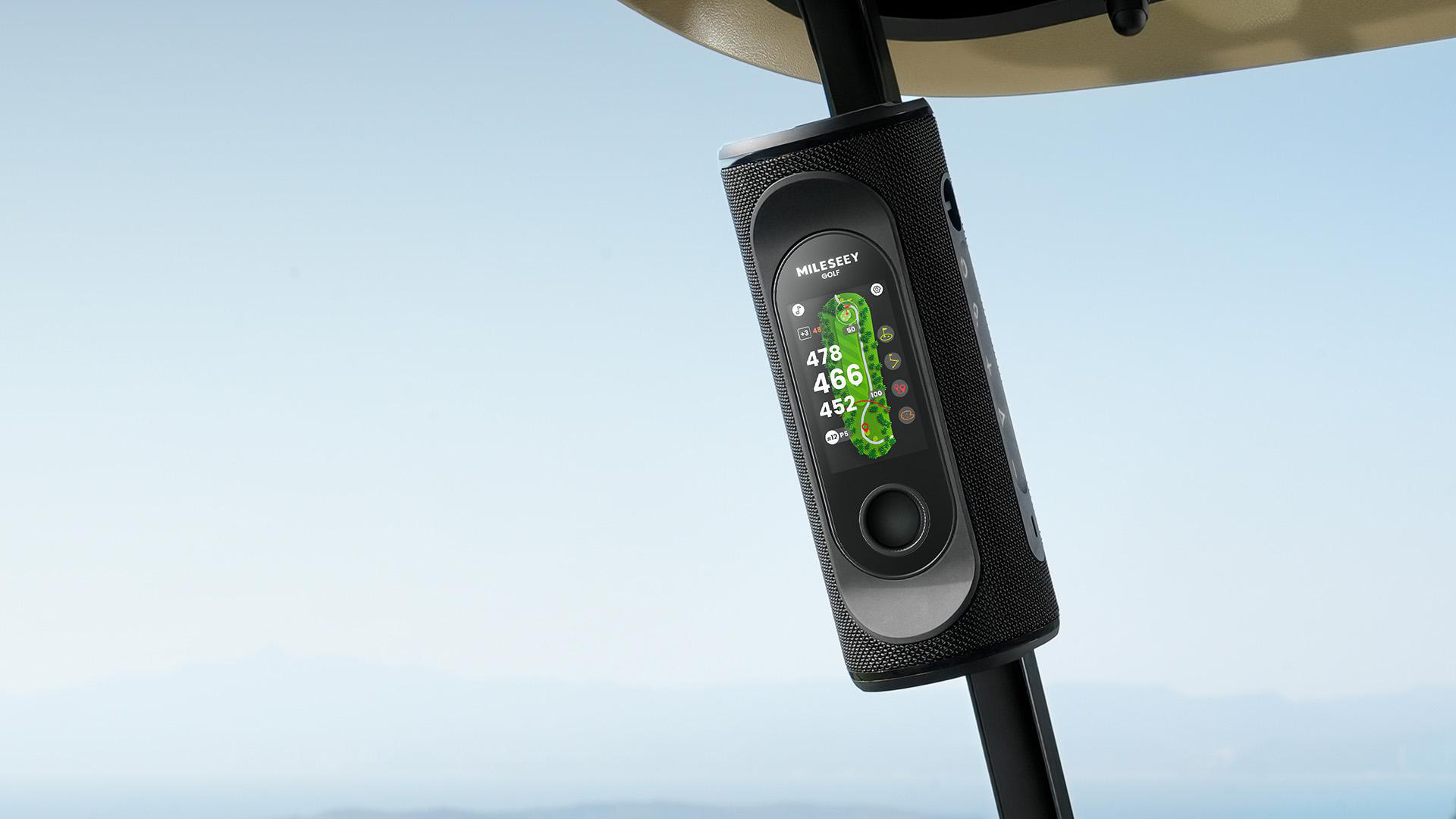
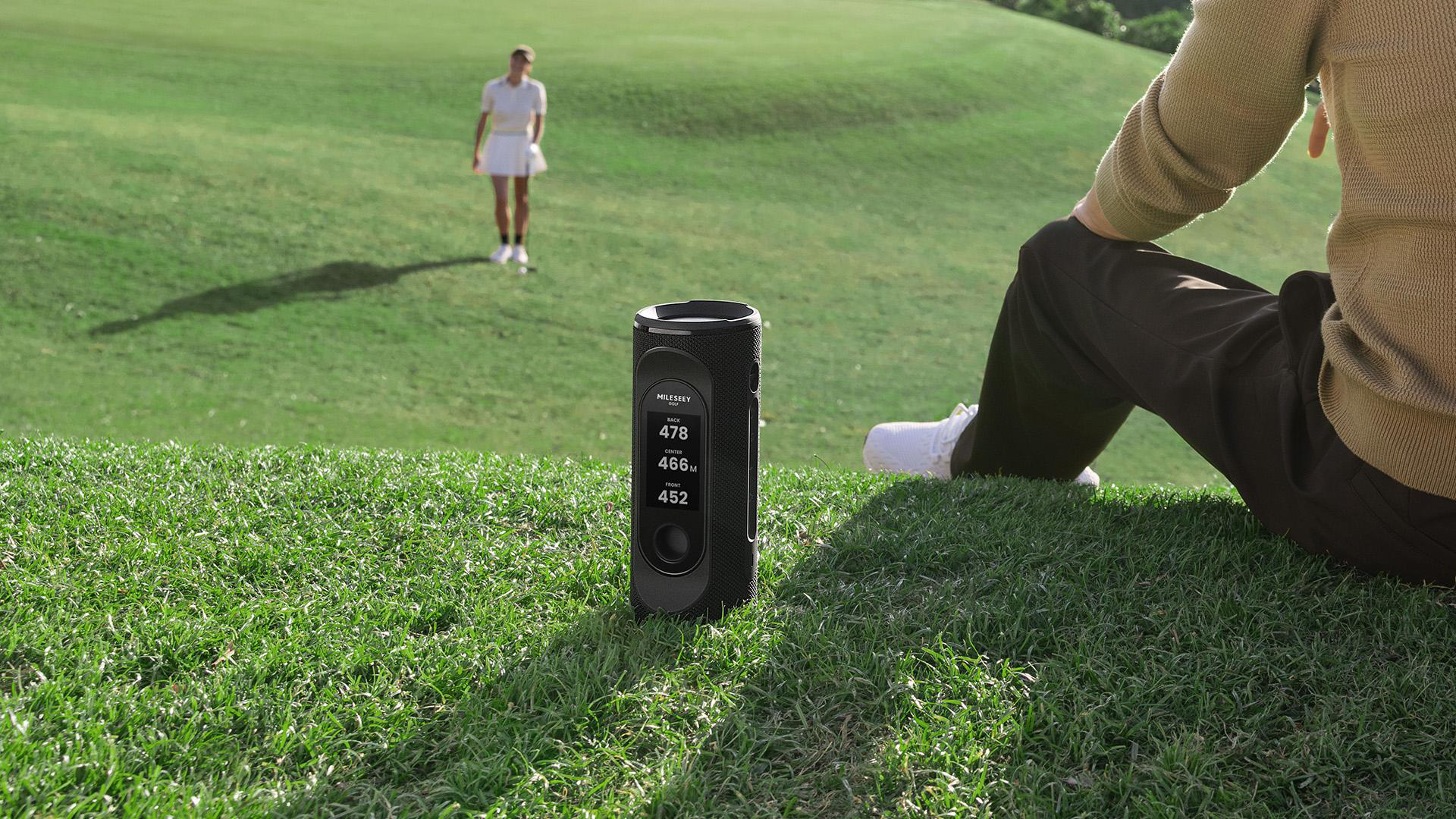
That is the real problem with water hazards. Golfers make emotional decisions instead of disciplined ones. They go when they feel brave and lay back when they feel unsure, even if the percentages say the opposite. What I like about the GeneSonic Pro in this setting is that it gives golfers cleaner information. The handheld offers built-in GPS, hazard info, layup features and front, center and back yardages, which gives players a better starting point for smart decisions. The math and the judgment still have to come from the player.
The Expected Score Formula
Every shot has an expected score. In simple terms, that is the average score you would expect to make if you faced the same decision over and over under similar conditions.
Expected Score = (Probability of Success × Score if Successful) + (Probability of Failure × Score if Failed)
Here is a simple example. You are 200 yards from the green with water short of the putting surface. Your GeneSonic Pro gives you the yardage to the trouble and the layup picture, and you determine that clearing the hazard asks for roughly 192 yards of carry. You are considering a 4-iron that flies about 195 when struck well.
Let's say you pull the shot off 40% of the time and that outcome leads to an average score of 4.0. The other 60% of the time, you fail to clear the water, take a penalty and average 6.5 after the mistake.
Expected Score = (0.40 × 4.0) + (0.60 × 6.5) = 1.6 + 3.9 = 5.5
Now compare that with the layup. You choose a club that leaves you 100 yards. You pull that shot off 95% of the time. From 100 yards, maybe you average 4.2 when you hit the green and 4.8 when you miss it. That works out to an expected score of about 4.50 after you account for the occasional poor layup.
In that example, laying up is about a stroke better than going for it. That is the value of good information. The GeneSonic Pro does not make the choice for you, but hazard yardages and layup views can help you work from a real number instead of a guess.
Your Personal Break-Even Point
Here is where the math becomes useful on the course. Your break-even point is the success rate you need before the aggressive play is actually better than the conservative one.
Break-Even Success Rate = (Layup Expected Score - Failure Score) / (Success Score - Failure Score)
Using the example above, the layup expected score is 4.50, the success score is 4.0 and the failure score is 6.5.
Break-Even = (4.50 - 6.5) / (4.0 - 6.5) = -2.0 / -2.5 = 0.80
That means you need to pull the shot off 80% of the time before going for it becomes the right play. For many golfers, that is the wake-up call. They think the bold play is close to 50-50 when in reality it needs to be much better than that.
Most players also overestimate their own success rate. They remember the hero ball that cleared the pond and forget the ones that did not. A GPS unit cannot fix self-deception, but it can reduce the guesswork. GeneSonic Pro's course maps, hazard info and layup feature at least help you understand what the shot is asking for before you swing.
That same student started tracking his carry distances after our talk. He found out his average carry was shorter than he thought and his good swings were not as common as they felt in the moment. Once he had better carry data and better on-course yardages, a lot of those risky second shots stopped looking tempting.
The Carry Distance Reality
This is where golfers get themselves in trouble. Total distance and carry distance are not the same thing. A club that goes 220 total on firm turf might only carry 205 in the air. If water starts at 205, the ball cannot use rollout to save you.
That is why hazard yardage matters so much. The GeneSonic Pro can show the relevant number to the trouble area, but you still have to match that number to your real carry, not the best shot you hit last month and not the total distance you remember from a cart path bounce.
Ask yourself a hard question: what percentage of your shots with that club are solid enough to fly the required number? If half of your 5-woods carry 205 and the other half come out thin or heavy and fly only 192, then you do not truly have that shot covered just because one perfect swing says you do.
I usually want my students to build in a little margin over water. If the trouble begins at 195, I want a club and a swing pattern that carry past that number with room to spare, not a club that needs everything to go exactly right.
The Pressure Factor and Long-Term Impact
Pure math is useful, but golf is still played by human beings. Pressure changes execution. A shot you pull off 7 out of 10 times on the range might become a 5 out of 10 shot when water is staring you in the face in competition.
That matters because pressure changes your true break-even point. If your range numbers say one thing but tension knocks your execution down once you get on the course, then the aggressive play is even less attractive than it looked on paper.
I have seen that happen with plenty of good young players. They make a comfortable swing on the range, then get over water and guide the club instead of releasing it. The result is usually the same: a strike that comes out short, weak, or both.
After nearly 20 years as a PGA Coach, I have learned that golfers score better around water when they treat those moments like strategy tests instead of courage tests. They avoid doubles and triples because they stop asking one swing to solve a problem the percentages never liked in the first place.
That is where I think the GeneSonic Pro fits best. As a built-in GPS speaker with course maps, hazard info and layup features on the detachable handheld, it can bring real clarity to a moment that often gets clouded by ego. For the golfer who tends to guess, that is valuable.
The advice I give my players is simple. Know your real carry numbers. Respect the difference between carry and total distance. Build in margin when water is involved. Then use the yardage information in front of you to make the highest-percentage decision, even when it is not the flashy one.
The GeneSonic Pro does not replace judgment. It gives you information. Your job is to turn that information into a smart decision. Do that consistently and water hazards stop being dramatic turning points and start becoming places where disciplined golfers quietly save shots.