Golfers love comfort.
We love our favorite club. We love our stock number. We love standing in the fairway, seeing something close to a familiar yardage and feeling like the shot is already half solved.
Then the number comes up 157.
Or 143.
Or 166 into a little breeze.
And suddenly the confidence wobbles.
That is the trap.
The Number You Love Can Become The Number That Limits You
I see this all the time in coaching. A player tells me, “My 8-iron is 150.” And that is fine. Useful, even. But somewhere along the way, that number becomes a security blanket.
Instead of learning how to hit 146, 153 or 158 with intention, they start rounding. They start forcing. They start chasing the shot they want instead of hitting the shot the hole asks for.
That is how good swings produce average results.
The attached concept for this episode nails the point: golfers often over-rely on comfortable stock numbers and get exposed in those in-between yardages.
And this time of year, with everyone watching shots into firm greens and nervy Sunday hole locations, the lesson becomes even clearer. Elite golf is often played in the margins. Not in the obvious numbers. In the awkward ones.
Exact Yardage Demands An Honest Decision
One reason many golfers struggle with “tweener” shots is that vague information lets them hide.
If you think the shot is “about 150,” you can convince yourself a smooth 8-iron or hard 9-iron both make sense. Then you make a swing with one foot on the gas and one on the brake.
That rarely ends well.
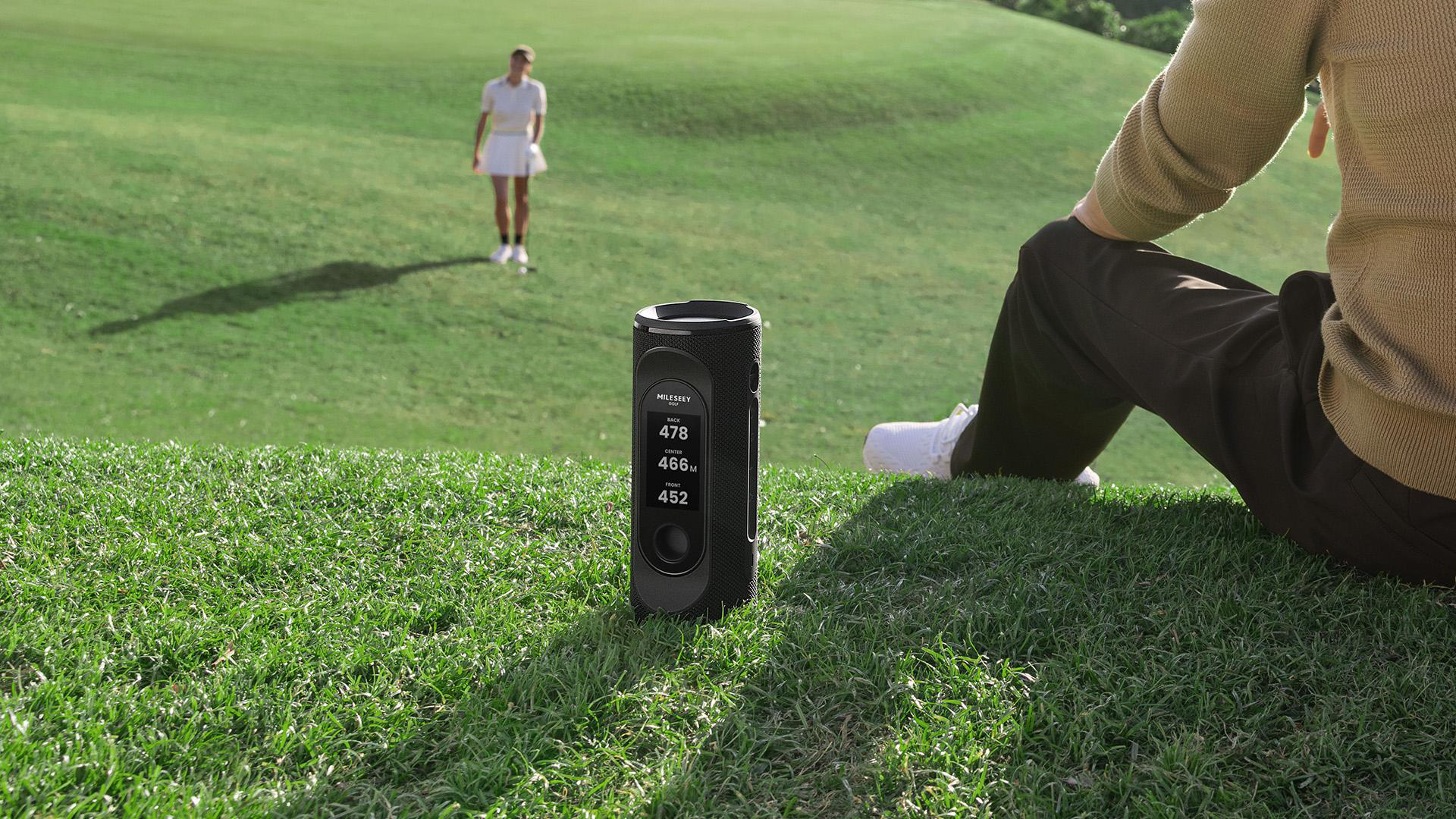
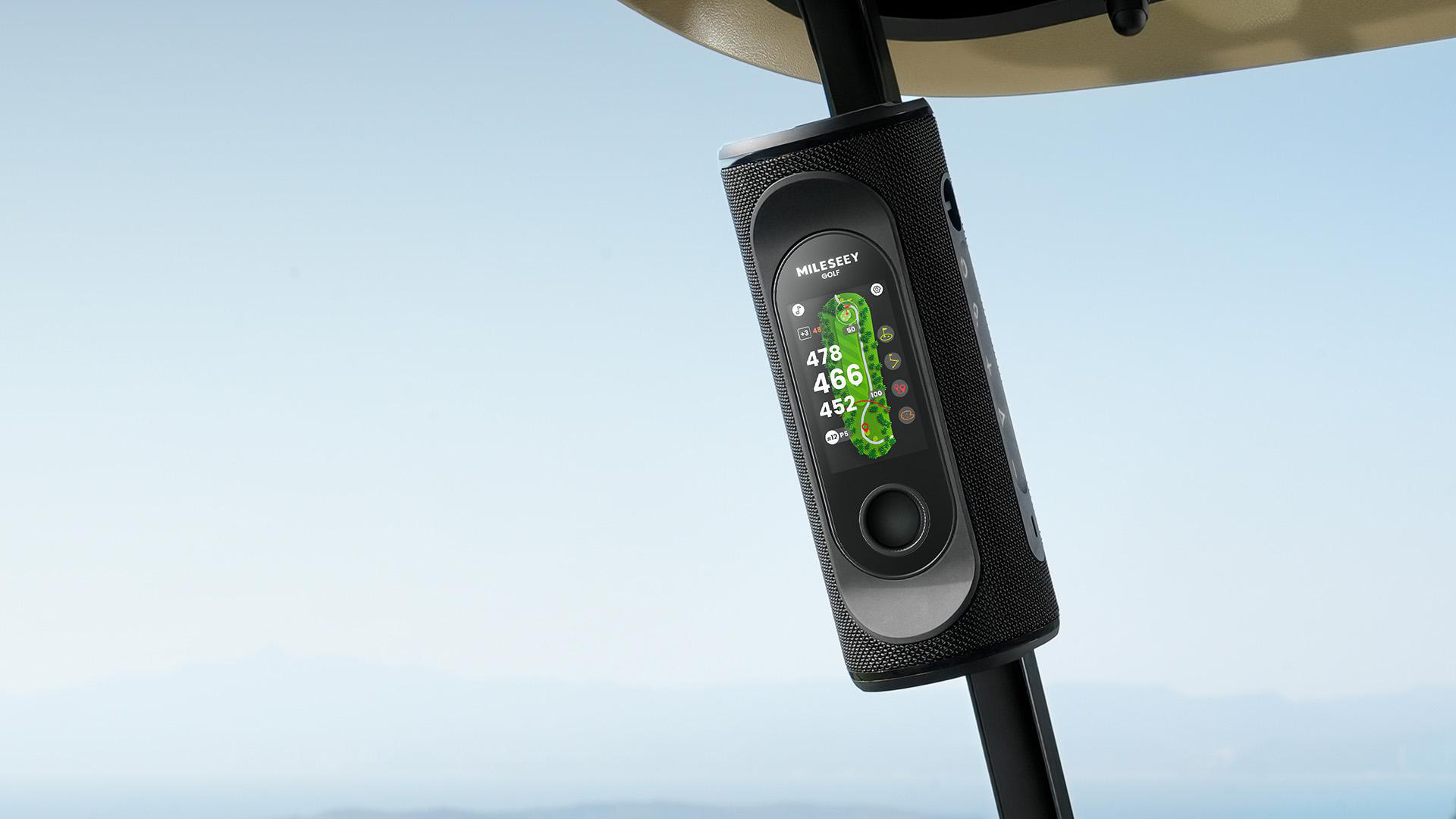
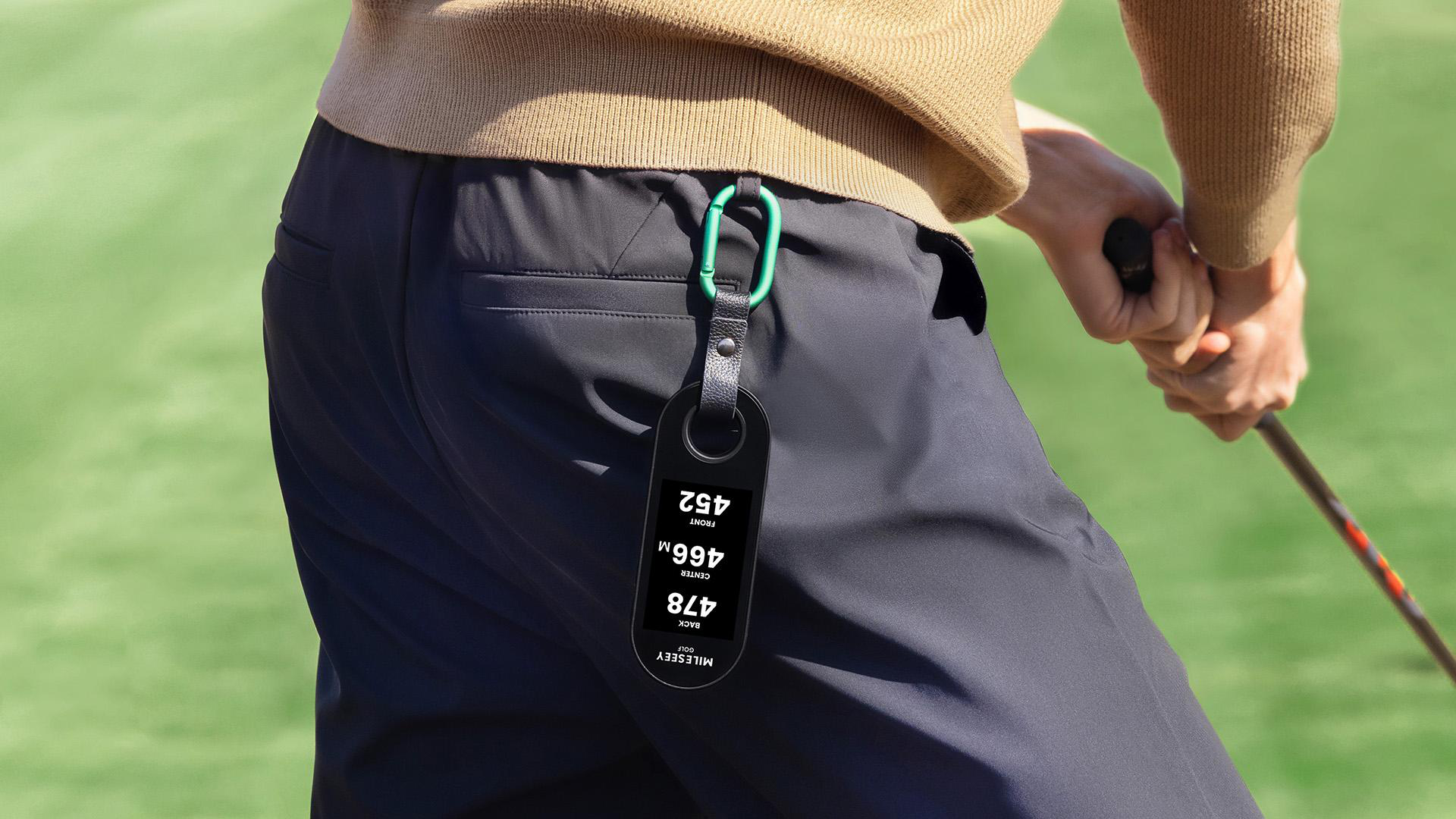
The GeneSonic Pro is useful here because it forces precision. Mileseey says it provides built-in GPS with no phone required, front-center-back distances, audible yardage callouts and advanced course views with hazards, fairways, greens and layup info. That makes it harder to live in the fog. You get the number, you accept the number, then you make a real decision.
That is a good thing.
Because better golf starts when excuses run out.
Build A Game That Covers The Gaps
If you want to score better, you need more than stock yardages. You need layers.
You need to know what a controlled 8-iron flies. What happens when you take a little off a 7-iron. What a three-quarter wedge actually does, not what you hope it does. You need to understand trajectory, tempo and carry, not just the full-send version of each club.
This is where practice gets more interesting and more honest.
Instead of hitting 20 balls trying to land every one at your favorite number, build a ladder. Hit to 135, then 140, then 145. Move up and back. Learn what your swing feels like when you are trying to cover a specific distance instead of just making your standard motion and hoping the math works out.
That kind of practice does not just improve distance control. It improves commitment.
Stop Saying “I’m Between Clubs” Like It’s The End Of The Story
Being between clubs is not a crisis. It is golf.
The players who score best are usually the ones who accept that reality fastest. They stop treating in-between yardages like bad luck and start treating them like skill tests.
That shift matters.
It keeps you from making lazy swings.
It keeps you from chasing hero shots.
It keeps you from getting emotionally attached to one club and one number.
And over time, it makes you more complete.
That is really what this episode should hammer home. The 150-yard myth is not that 150 is unimportant. It is that too many golfers build their whole identity around one comfortable number and ignore everything around it.
But the scores are hiding in those spaces.
Especially this time of year, when the game feels a little more electric and a little more exacting, that is a lesson worth owning.
Your favorite yardage should be a reference point.
Not a crutch.
By Brendon R. Elliott, PGA PGA Professional | Coach | Industry Consultant | Golf Writer