Every April, golfers start thinking a little differently about par 5s.
Maybe it is the sight of blooming azaleas and tall pines. Maybe it is the way the Masters always reminds us that a single smart decision can change a tournament. Augusta National’s 13th hole has historically played as one of the easiest on the course, with birdie or better showing up often enough to prove the point. Par 5s are not just chances to hit it hard. They are scoring opportunities for players who think clearly.
I see too many golfers treat every par 5 the same way. They stand on the tee, feel a little surge of optimism, and immediately start thinking about reaching the green in two. That sounds aggressive and fun, but in a lot of cases it is the exact mindset that turns birdie holes into bogey holes.
The better plan is usually simpler. Build the hole backward.
Start With Your Favorite Number
When I coach players through par 5 strategy, I do not begin with the second shot. I begin with the third.
What wedge yardage do you actually love?
For one player, it might be 95 yards. For another, it might be 72. Some players are at their best from a full sand wedge number. Others love a flighted gap wedge. The point is not to copy somebody else’s distance. The point is to know yours.
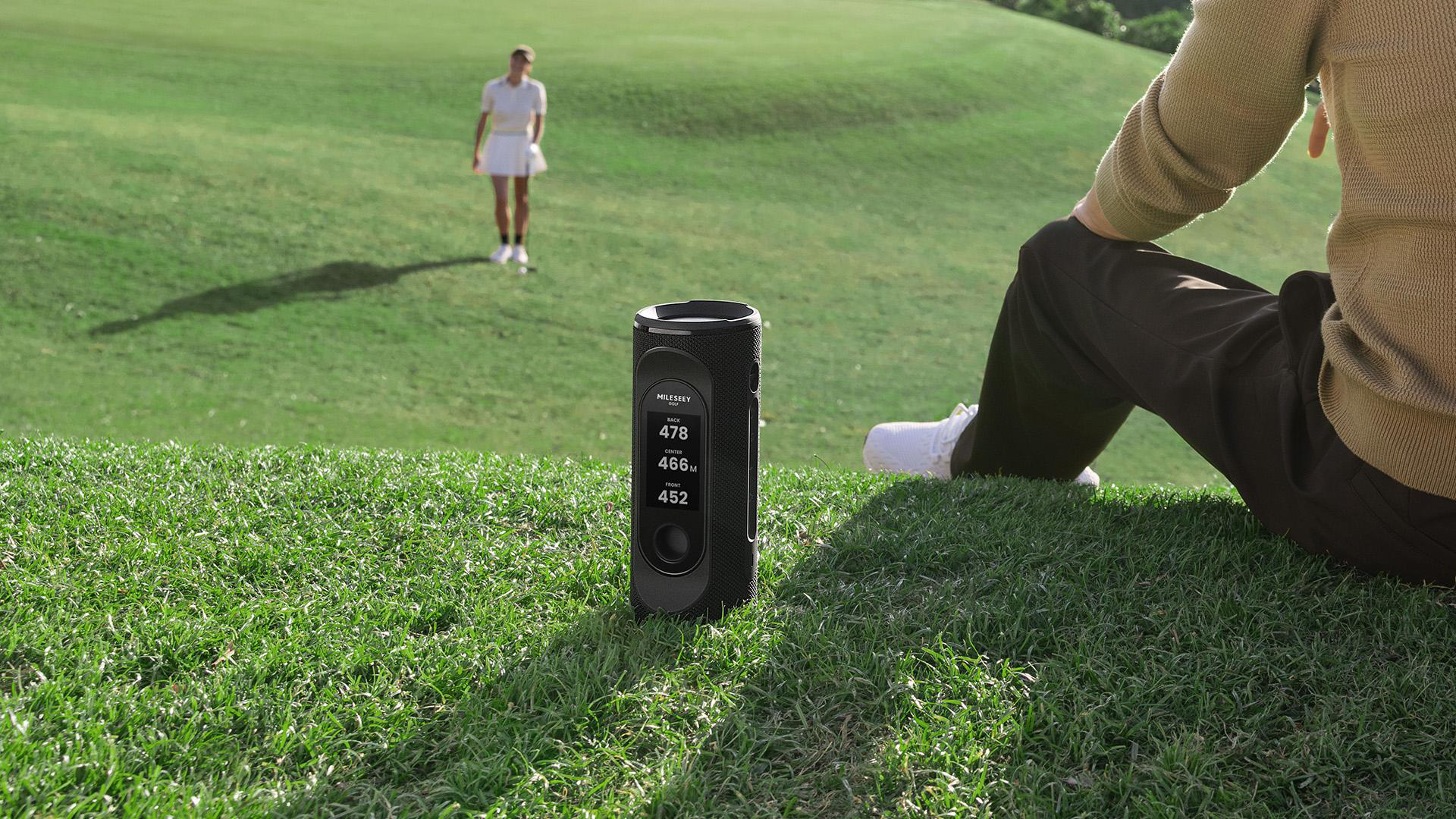
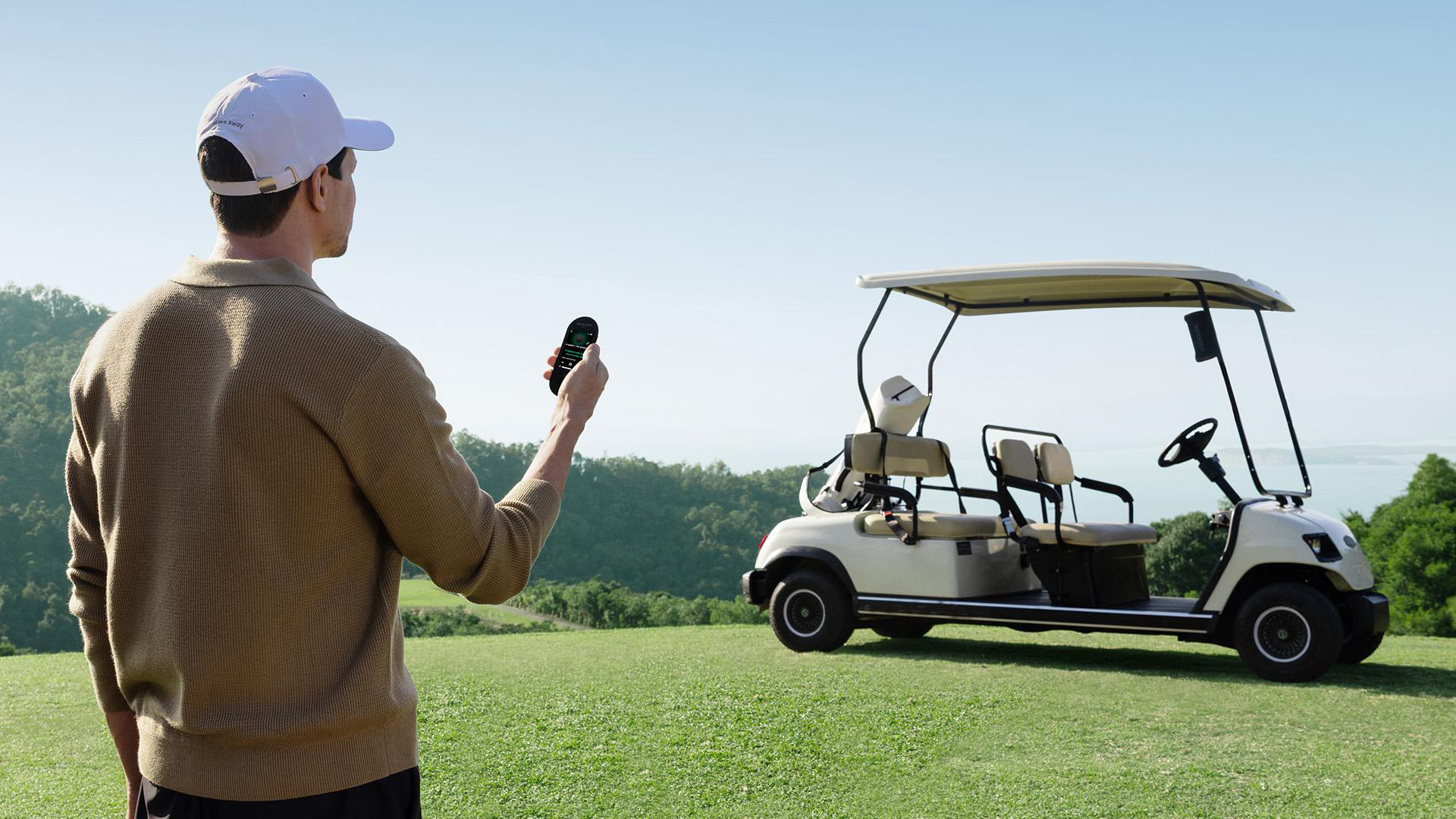
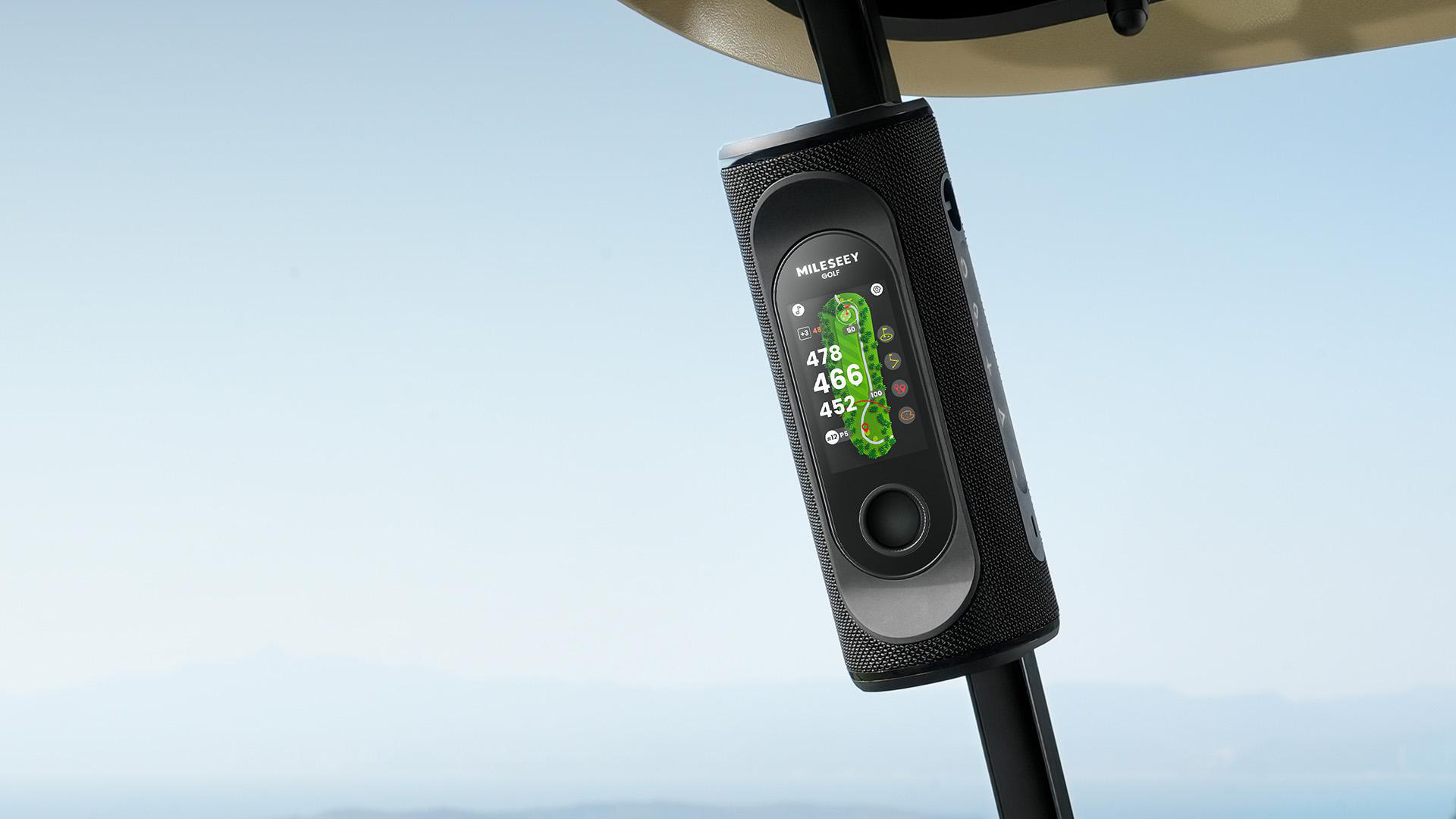
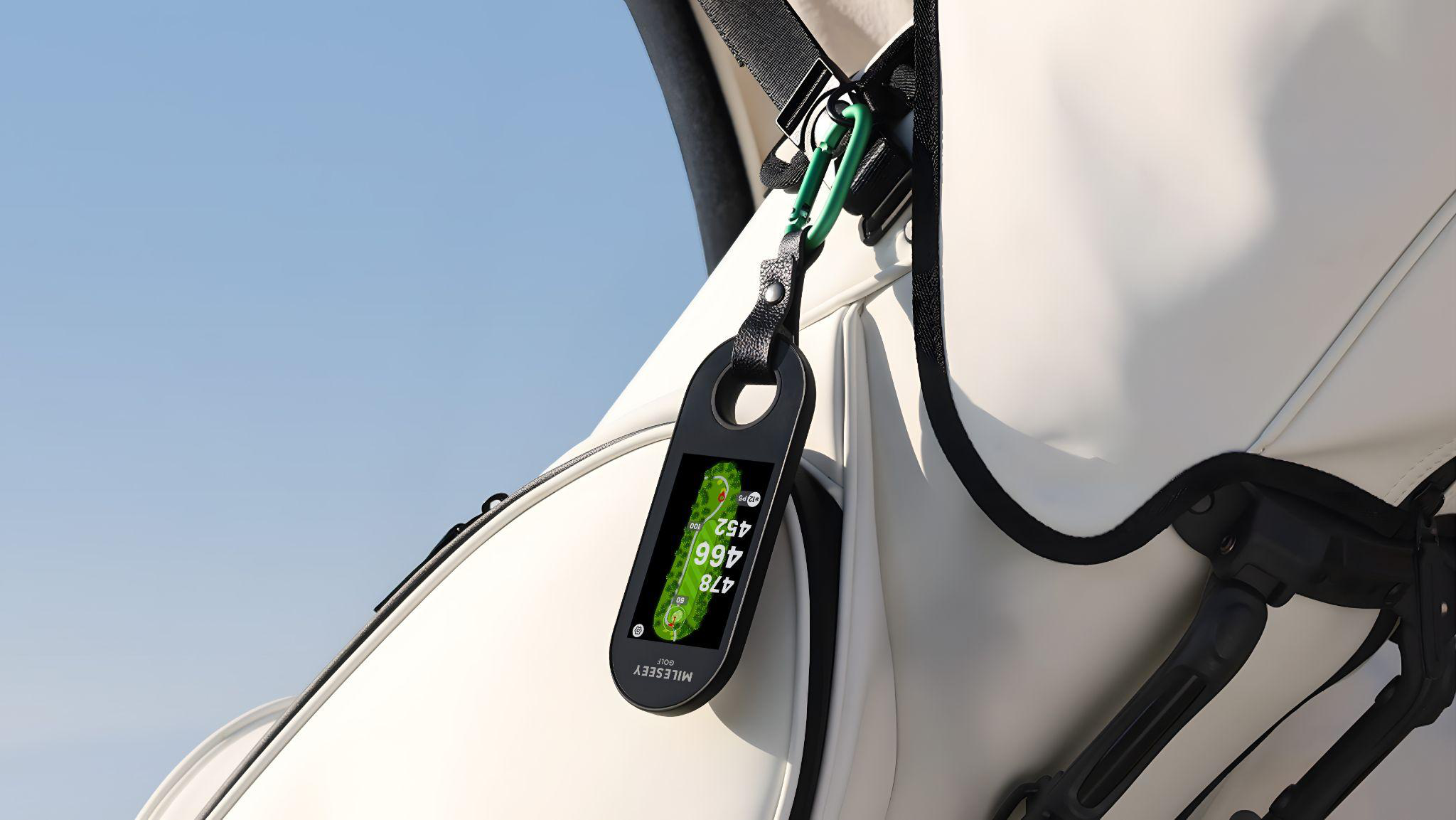
That is where the GeneSonic Pro becomes genuinely useful. Its built-in GPS and advanced course view let you get precise yardages without fumbling with a phone, and its layup feature helps you plan to a target number instead of just bashing the ball forward and hoping the next shot feels comfortable.
If your favorite yardage is 90 yards, then your strategy should be designed to leave 90 yards. Not 63. Not 47. Not that weird half-swing number that makes you start negotiating with yourself over the ball.
The Tee Shot Sets The Tone
A lot of amateur golfers think the tee shot on a par 5 has to be heroic. It does not. It has to be useful.
That means finding the part of the fairway that opens up the next decision. Sometimes that is the widest landing area. Sometimes it is the side that gives you the best angle away from trouble. Sometimes it is simply the line that keeps a fairway bunker or water hazard from bringing big numbers into play.
The longest tee shot is not always the best tee shot. The smartest one is.
This is especially true on holes where the fairway narrows at driver distance. If your 3-wood or hybrid puts you in the fairway with a clean look and a predictable layup number, that can be the winning play. Golf is not a long-drive contest. It is a positioning game disguised as one.
Know When Going For It Makes Sense
Yes, there are times to go for the green in two.
But that decision should be earned, not assumed.
You need the right lie. You need a number you can cover with confidence. You need to know where the trouble is. You need a realistic miss that still leaves you a playable next shot. And you need to ask an honest question: if this does not come off perfectly, what is my likely score?
The GeneSonic Pro’s front, center and back distances, hazard visuals and audible yardage callouts help you make that decision with a lot more clarity. If the front number is gettable, the back number brings trouble and the green is shallow, that may be your sign to lay up and trust the wedge.
Aggressive golf is great. Reckless golf is expensive.
Birdie Starts Before The Wedge
The best par 5 players are not always the biggest hitters. More often, they are the cleanest thinkers.
They understand that birdie on a par 5 usually starts with discipline. A good tee ball. A purposeful second shot. A full wedge from a favorite yardage. Then one solid putt.
That is the beauty of three-shot strategy. It takes the chaos out of the hole.
And during Masters season, when all of us are daydreaming about the game’s most famous risk-reward moments, it is worth remembering something simple. The smartest golf often looks less dramatic. It just works better.
By Brendon R. Elliott, PGA PGA Professional | Coach | Industry Consultant | Golf Writer