I played with one of my students last month, who hit a beautiful drive on a par five. He had 235 yards to the green with water fronting it. Without hesitation, he pulled a 3-wood and went for it.
“What’s your carry distance with that club?” I asked.
He paused. “I’m not sure. Maybe 220?”
The ball found the water. He made seven.
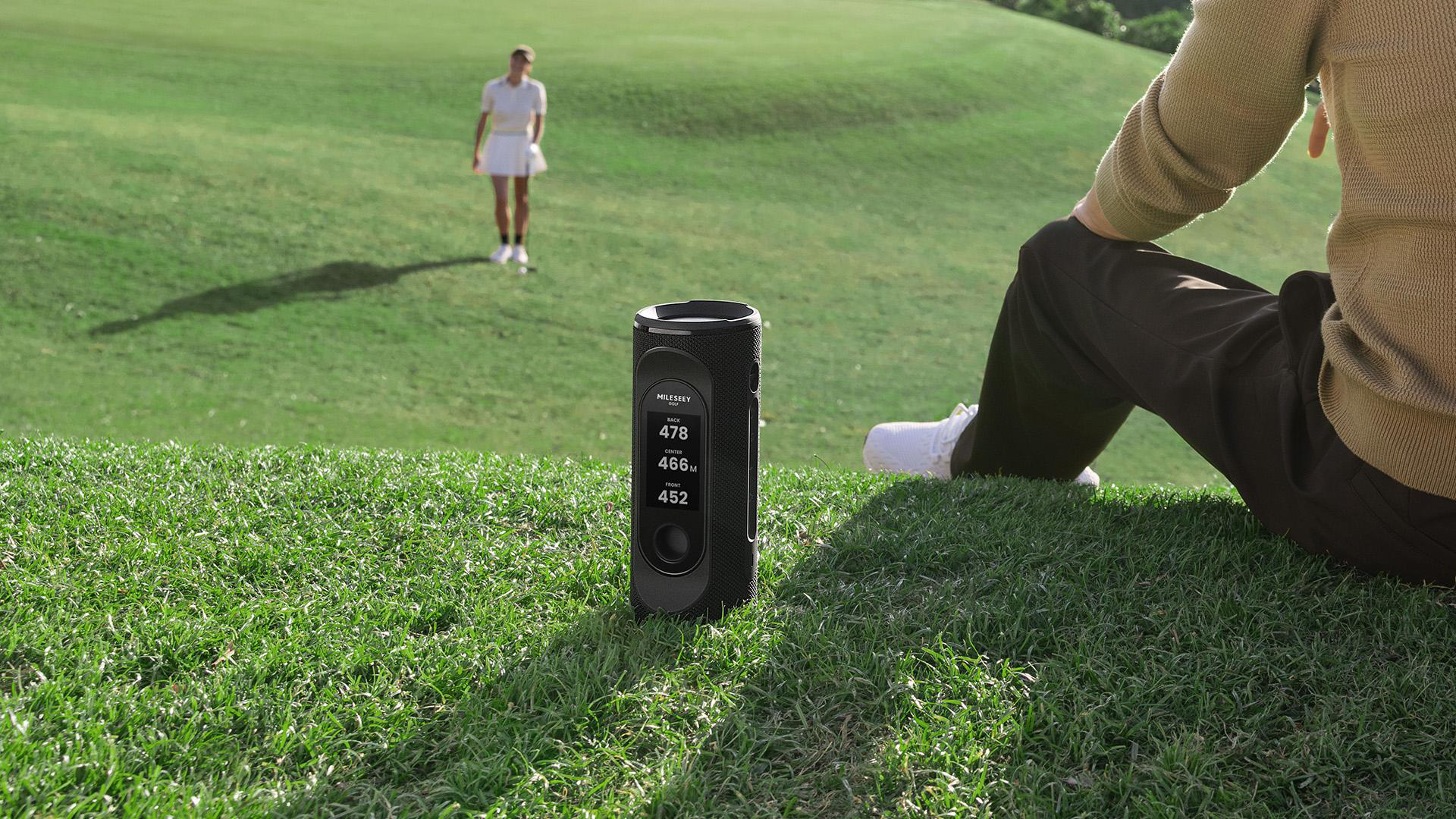
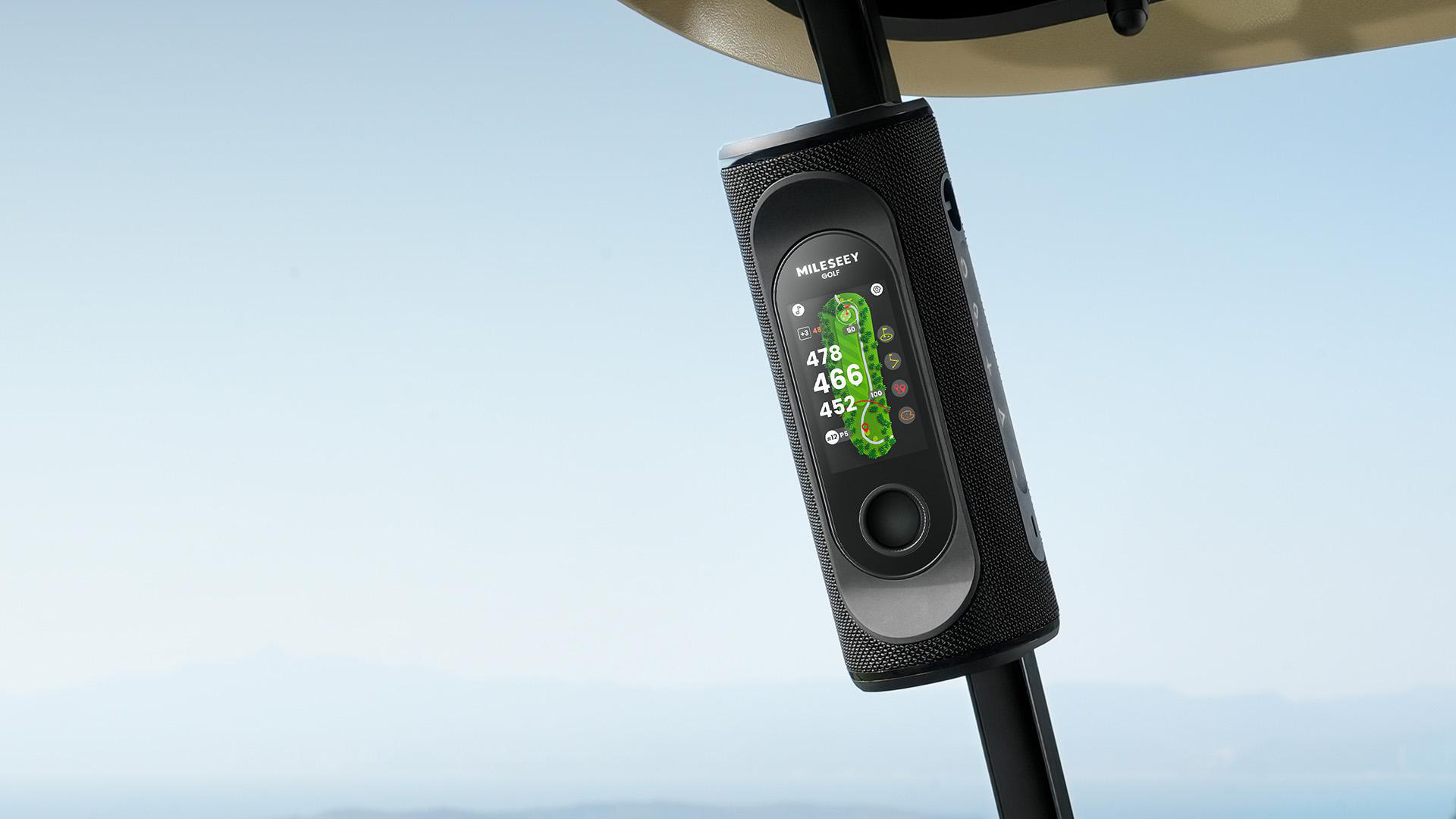
On the next par five, I had him check the GeneSonic Pro. It showed 238 yards to carry the water, 195 yards to a perfect layup zone. He hit a 7-iron to 195, then a wedge to six feet. One putt for birdie.
“That’s the difference between guessing and knowing,” I told him.
After two decades of coaching, I’ve learned that most golfers don’t struggle with layups because they can’t execute them. They struggle because they don’t understand the mathematics of scoring zones and the psychology of playing within their capabilities. The layup isn’t a failure: it’s often the most aggressive play you can make.
The Mathematics of Expected Score
Let’s talk about the numbers that most golfers never calculate. When you’re deciding whether to go for a green or lay up, you’re really calculating expected score: the average score you’d make if you played that shot 100 times.
Say you’re 230 yards out with water short of the green. If you go for it, maybe you succeed 30% of the time and make birdie or par. But 70% of the time you’re in the water making bogey or worse. Your expected score might be 5.2.
Now consider the layup. You hit to 100 yards 95% of the time. From there, you hit the green 70% of the time and get up and down 50% of the time when you miss. Your expected score might be 4.6.
The layup isn’t conservative: it’s mathematically superior. You’re choosing the play that produces the lowest average score over time.
The GeneSonic Pro removes the guesswork from this calculation. You know exactly how far you need to carry trouble. You know exactly where your ideal layup zone is. You’re making decisions based on data, not hope.
The Anatomy of the Perfect Layup Zone
Here’s what most golfers get wrong about layups: they think any shot short of the green is a layup. But there are good layup positions and bad ones.
The perfect layup zone has three characteristics. First, it’s a distance you’re comfortable with for your approach shot: typically 75-125 yards for most golfers. Second, it gives you a good angle to the pin, avoiding trouble and opening up the green. Third, it’s in the fairway or light rough where you have a clean lie.
I teach my students to identify their “money zone”: the distance from which they’re most confident hitting greens. For some, it’s 100 yards. For others, it’s 85 or 110. Once you know your money zone, every layup becomes about getting to that exact distance.
The GeneSonic Pro shows you precisely where that distance is. You’re not guessing whether you should hit 7-iron or 8-iron. You know exactly what club gets you to your money zone, and you can see whether that zone is clear of trouble.
The Psychology of Playing Your Game
Let’s address the elephant in the room: ego. Golfers feel like laying up is an admission of defeat. They see the green and think they should be able to reach it. The layup feels like giving up.
This is backward thinking. The layup is playing your game instead of someone else’s game. It’s choosing the shot you can execute over the shot you wish you could execute.
I had a student a few years back who was a 7-handicap trying to play like a scratch golfer. He’d go for every par five in two, try to cut every dogleg, attempt hero shots from the trees. He was stuck at 7 for three years.
We changed his strategy. Lay up on par fives unless he had a clear shot with a club he was confident with. Play to the fat part of the fairways instead of cutting corners. Chip out sideways from trouble instead of trying miracle shots.
He’s now a 3-handicap and dropping. Same swing, different strategy. He’s playing his game, not the game he thinks he should play.
The Approach Angle Advantage
Here’s something most golfers never consider: where you lay up determines your approach angle, and approach angle dramatically affects your chances of hitting the green.
Say you’re on a dogleg left par five. If you lay up down the left side, you’re approaching from an angle that brings all the trouble into play: bunkers, water, whatever’s guarding that side of the green. If you lay up down the right side, you’re approaching from an angle that opens up the green and minimizes trouble.
The GeneSonic Pro’s GPS shows you the entire hole layout. You can see where the trouble is and plan your layup position to give you the best approach angle. You’re not just laying up to a distance: you’re laying up to a position.
I’ve watched students drop multiple strokes per round simply by being more strategic with their layup positioning. They’re hitting the same quality shots, but they’re hitting them from better positions.
The Hazard Math You Need to Know
Let’s get specific about the numbers. When you’re looking at a shot over water or other hazards, you need to know three distances: your carry distance with the club you’re considering, the distance to carry the hazard, and the margin for error.
Most golfers know their total distance but not their carry distance. Your 3-wood might go 230 yards total, but if it carries 215 and rolls 15, you need 215 yards of carry to clear water. That’s a crucial distinction.
The GeneSonic Pro shows you exact yardages to hazards. You’re not eyeballing it or hoping you have enough club. You know whether you can carry the trouble with your actual carry distance, not your optimistic carry distance.
The margin for error matters too. If you need to carry water at 215 yards and your 3-wood carries 215 yards, you don’t have enough club. You need at least 10 yards of margin to account for mishits and conditions. The GeneSonic Pro’s precision lets you make these calculations accurately.
Your Strategic Layup System
Here’s the system I teach for layup decisions:
First, identify your money zone: the distance from which you’re most confident hitting greens. This becomes your target layup distance.
Second, check the GeneSonic Pro for exact yardages to hazards and to your money zone. Know precisely what you’re working with.
Third, consider the approach angle. Where can you lay up to give yourself the best angle into the green?
Fourth, pick a specific target for your layup. Not “somewhere short of the green,” but a specific yardage to a specific spot.
Fifth, commit fully to the layup. No half-hearted swings or second-guessing. You’ve made the strategic decision: now execute it.
When to Be Aggressive
Here’s the flip side: knowing when to go for it. The layup is the right play most of the time, but not all the time. You should be aggressive when you have a club you’re confident with, a clear shot to the green, and minimal penalty for missing.
The GeneSonic Pro helps you identify these situations. You can see exactly what you’re facing and make an informed decision. Sometimes the aggressive play is the right play, but you’re choosing it based on data, not hope.
The Scoring Reality
After nearly 20 years as a PGA Coach, I’ve learned that golfers who master the layup score better than golfers who always go for it. They make more pars and birdies because they’re avoiding the big numbers. They’re playing percentage golf.
The GeneSonic Pro’s precise GPS data transforms layup decisions from guesswork into strategic advantage. You know exactly where the trouble begins and where your safe zones end. You’re not hoping you have enough club: you know.
Play the percentages. Know your zones. Execute your strategy. That’s the art of the layup.