The Practice Session That Stuck
I had a college golfer working on a new swing feel last year. We spent an hour on the range, and by the end of the session, she had it dialed in. Two days later, she came back and couldn’t recreate it. The feel was gone.
The next week, we tried something different. I had her pick a song and practice the same move with that song on repeat. An hour later, she had it again. Two days later, she came back, played the same song, and immediately accessed the feel.
“It’s like the music unlocked it,” she said.
She wasn’t wrong. What I’ve discovered over two decades of coaching is this: music isn’t just pleasant window dressing for practice. It’s a direct lever on motor learning, creating richer neural encoding that your brain can access on demand.
How Your Brain Encodes Movement
Let’s talk about what’s actually happening in your brain when you practice. Motor learning involves multiple brain regions: the motor cortex for movement execution, the cerebellum for coordination and timing, and the basal ganglia for habit formation.
When you practice a golf swing, you’re creating and strengthening neural pathways between these regions. The more you repeat a movement, the stronger those pathways become. Eventually, the movement becomes automatic.
But here’s where it gets interesting: when you add music to practice, you’re activating additional brain regions. The auditory cortex processes the music. The limbic system processes the emotional content. The hippocampus, which is crucial for memory formation, becomes more active.
All of these regions working together create what neuroscientists call “enriched encoding.” You’re not just learning a movement. You’re learning it in a rich, multi-sensory context that makes it easier to recall later.
The Soundtrack as a Retrieval Cue
This is why my student could access her swing feel when she played the same song. The music had become a retrieval cue, a trigger that helped her brain access the motor pattern she’d practiced.
Think about how smell can trigger vivid memories. You catch a whiff of something and suddenly you’re transported back to a specific time and place. Music works the same way for motor memories.
When you practice a specific move with a specific song, that song becomes linked to the motor pattern in your brain. Play the song later, and your brain automatically starts activating the same neural pathways.
I’ve had students use this strategically. They’ll practice a specific shot type with a specific song, then play that song on the course when they need to hit that shot. It’s like having a mental shortcut to the feel they want.
Why Audio Quality Matters
Here’s something most golfers don’t consider: the quality of the audio affects how well this works. Your brain is incredibly sensitive to audio fidelity. Poor-quality sound, with distortion or lack of clarity, actually creates cognitive load. Your brain has to work harder to process the music, which takes resources away from motor learning.
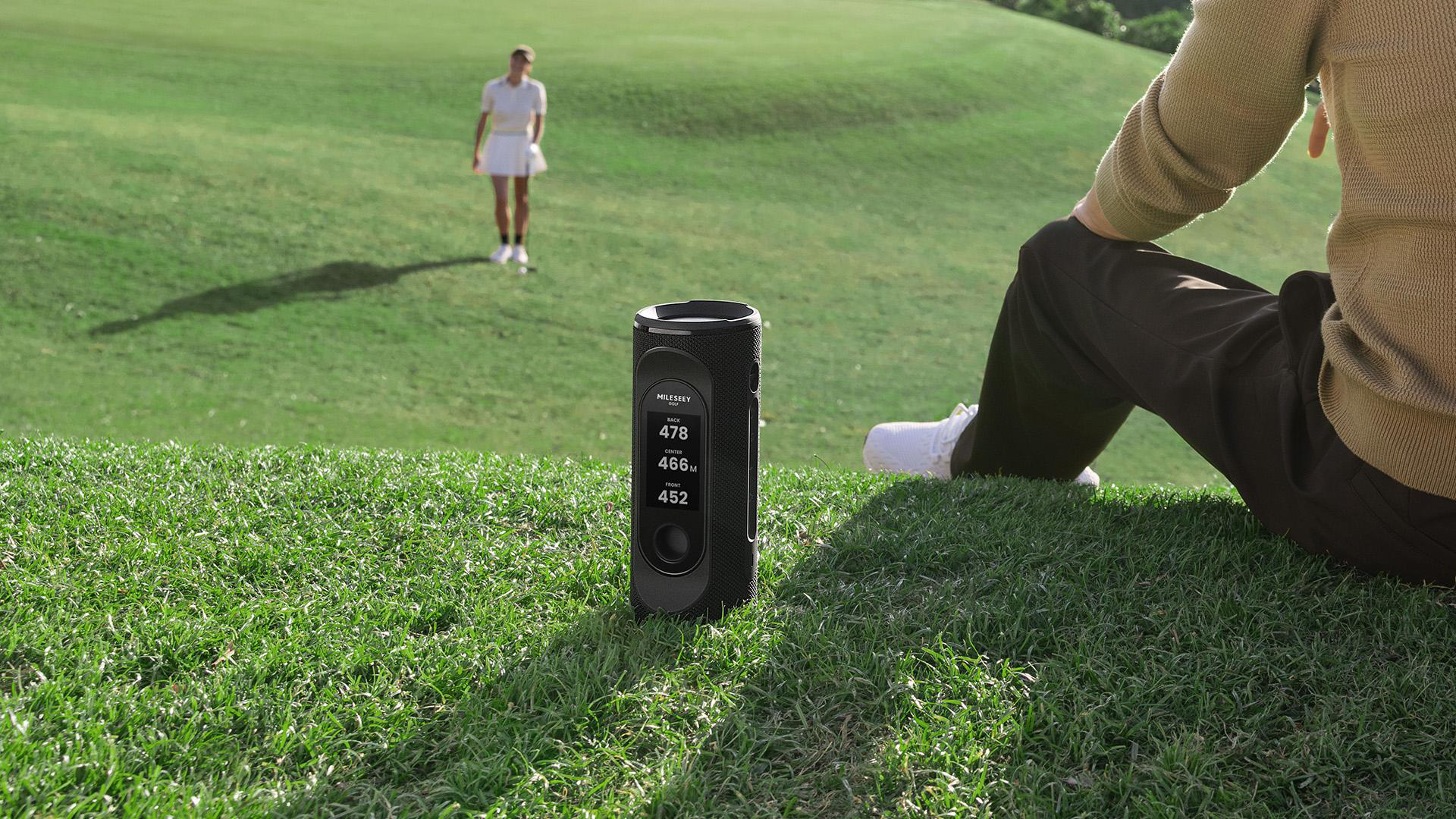
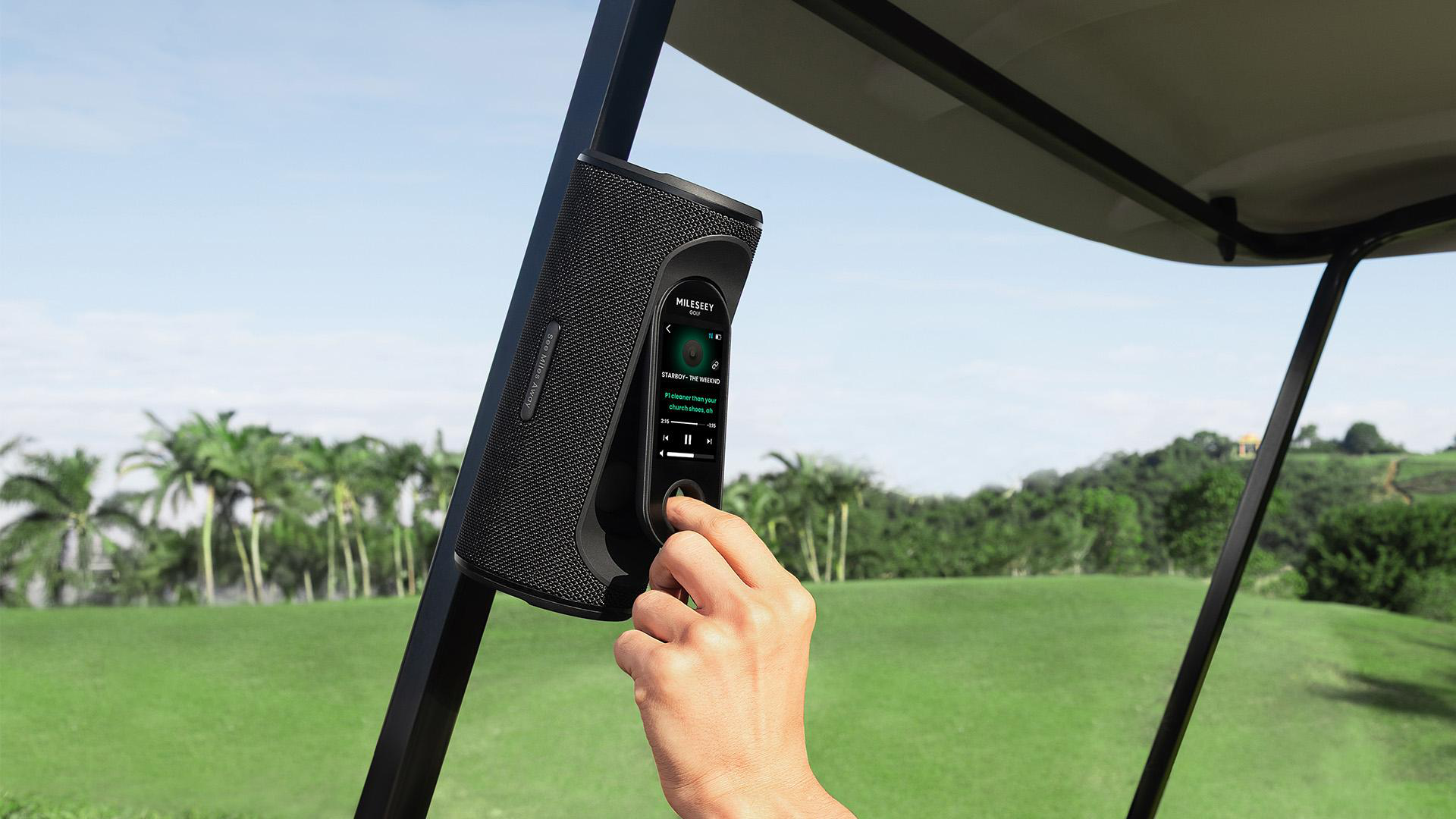
The MILESEEY GeneSonic Pro delivers clean, full-range audio that your brain can process effortlessly. You’re hearing the music clearly without strain, which means more cognitive resources available for learning and encoding the movement pattern.
This isn’t just about enjoyment, though that matters. It’s about optimizing the neurological benefit of practicing with music. Clear audio creates clearer neural encoding.
The Tempo-Timing Connection
We’ve talked about tempo in previous articles, but there’s a deeper neurological principle at work. When you practice with music that has a consistent beat, you’re training your brain’s internal timing system.
The cerebellum, which coordinates movement timing, becomes entrained to the musical rhythm. This creates a more consistent swing tempo because your brain has an external reference point to lock onto.
But it goes beyond just tempo. The rhythmic structure of music helps your brain chunk the golf swing into phases: backswing, transition, downswing, follow-through. Each phase gets linked to a portion of the musical phrase.
This chunking makes the swing easier to remember and reproduce because your brain is organizing it into meaningful segments rather than trying to control every micro-movement.
The Emotional Dimension
Music activates the limbic system, which processes emotion. This matters for golf because emotional state affects motor performance. When you’re anxious or frustrated, your movements become tight and controlled. When you’re relaxed and confident, your movements become fluid and natural.
Practicing with music you enjoy creates positive emotional associations with the practice itself. Your brain starts linking the swing movements with positive feelings, which makes those movements easier to access under pressure.
I’ve had students tell me they can feel their swing smooth out when they play certain songs on the course. That’s not just psychological. It’s neurological. The music is triggering both the motor pattern and the emotional state they practiced with.
Your Neuroscience-Based Practice Plan
Here’s how to use this information strategically:
- Choose 3-5 songs you genuinely enjoy in the 60-75 BPM range
- Assign each song to a specific practice focus (tempo, turn, weight shift, etc.)
- Practice that specific element with that specific song for 20 minutes
- Repeat this pairing over multiple sessions
- Use the same songs as retrieval cues when you need to access those feels
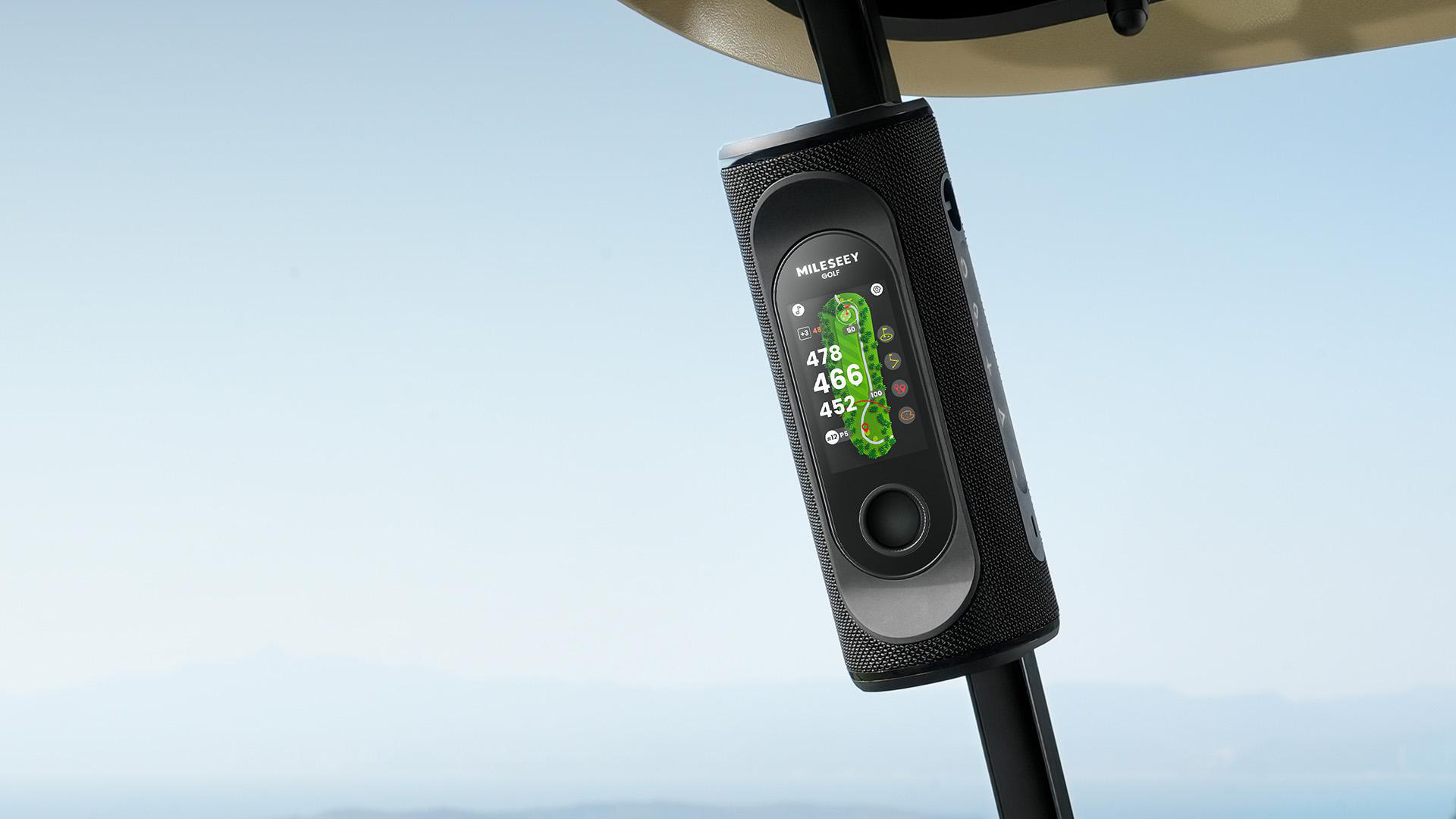
The GeneSonic Pro makes this easy. Quality audio that doesn’t strain your brain to process. Consistent volume that maintains the neurological benefit. And it’s right there on your bag, so you’re not managing a separate device.
The Long-Term Benefit
Here’s what happens over time: the music becomes less necessary. The neural pathways you’ve built become strong enough that you can access them without the external cue. But having the option to use music as a retrieval cue gives you a powerful tool for maintaining consistency.
After nearly 20 years as a PGA Coach, I’ve learned that the best practice methods work with your brain’s natural learning systems rather than against them. Music isn’t a distraction from serious practice. It’s a tool that enhances how your brain encodes and retrieves motor patterns.
The neuroscience is clear: music creates stronger, more accessible motor memories. The GeneSonic Pro delivers the audio quality that maximizes this neurological benefit while also giving you the GPS information you need for effective practice.
Train smarter. Encode deeper. Access easier. That’s the neuroscience of practice with a soundtrack.