I was playing with a low-handicap student a few days ago when he pulled driver on a tight par 4. “What’s your plan?” I asked. He shrugged. “Hit it as far down the fairway as possible.”
He hit it in the trees. Made double bogey. Walking to the next tee, I asked him how far he’d had to the corner of the dogleg. He didn’t know. How far to carry the fairway bunker? Didn’t know. What was his comfortable layup distance for his approach shot? Never thought about it.
Here was a talented player with a solid swing who was throwing away strokes because he had no strategy. He was playing golf like it was a driving range, just hitting shots without thinking about the chess match.
This practice round only solidifies what I have known for decades: most golfers don’t have a course management problem. They have an information problem. They can’t manage what they don’t measure.
Why GPS Changes Everything
GPS might be the most democratizing technology we’ve ever seen in golf. Before GPS, you had to learn a course through repeated play, remembering where hazards were, where trouble started and what clubs you hit from which spots. That knowledge took dozens of rounds to accumulate.
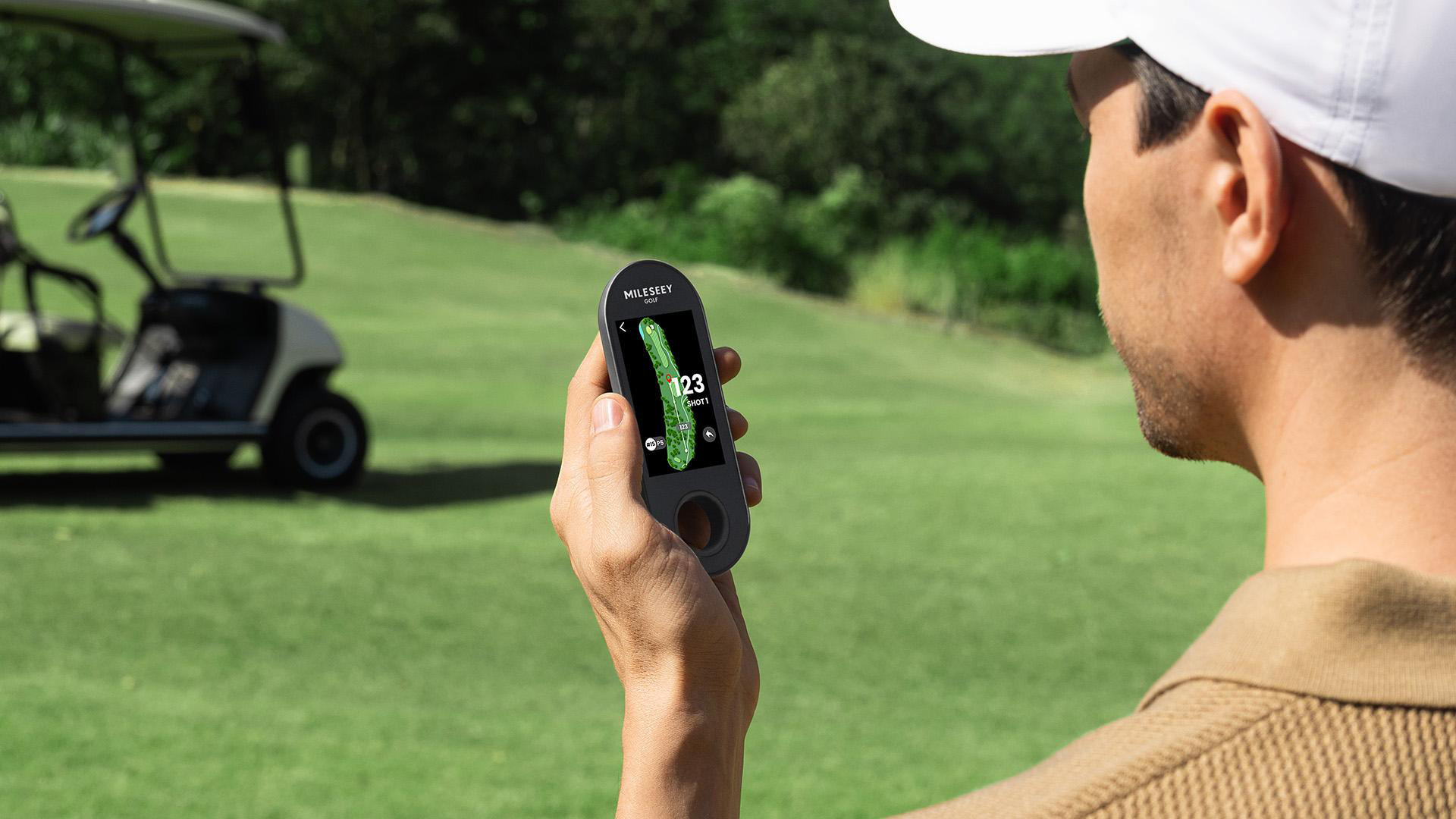
Now? You clip a GPS device to your bag and you instantly have that information. But here’s what most golfers miss: GPS isn’t just about knowing your distance to the pin. It’s about strategic decision-making. It’s about playing the percentages. It’s about turning golf from a game of hope into a game of informed choices.
The Mental Clarity Factor
Now let’s add another element: music. I know what you’re thinking, music is a distraction, right?
Actually, the opposite is often true. The right music at the right volume can reduce anxiety, quiet negative self-talk and keep you in the present moment. I’ve watched students transform their mental game by adding music to their rounds. They stop overthinking. They trust their swings more. They play with more freedom.
And here’s the fascinating part: when you combine accurate GPS information with the mental clarity that music provides, you make better strategic decisions. You’re not anxious about the shot, so you’re thinking more clearly about club selection. You’re not in your head about the last hole, so you’re focused on the decision in front of you.
The GeneSonic Pro Strategic Advantage
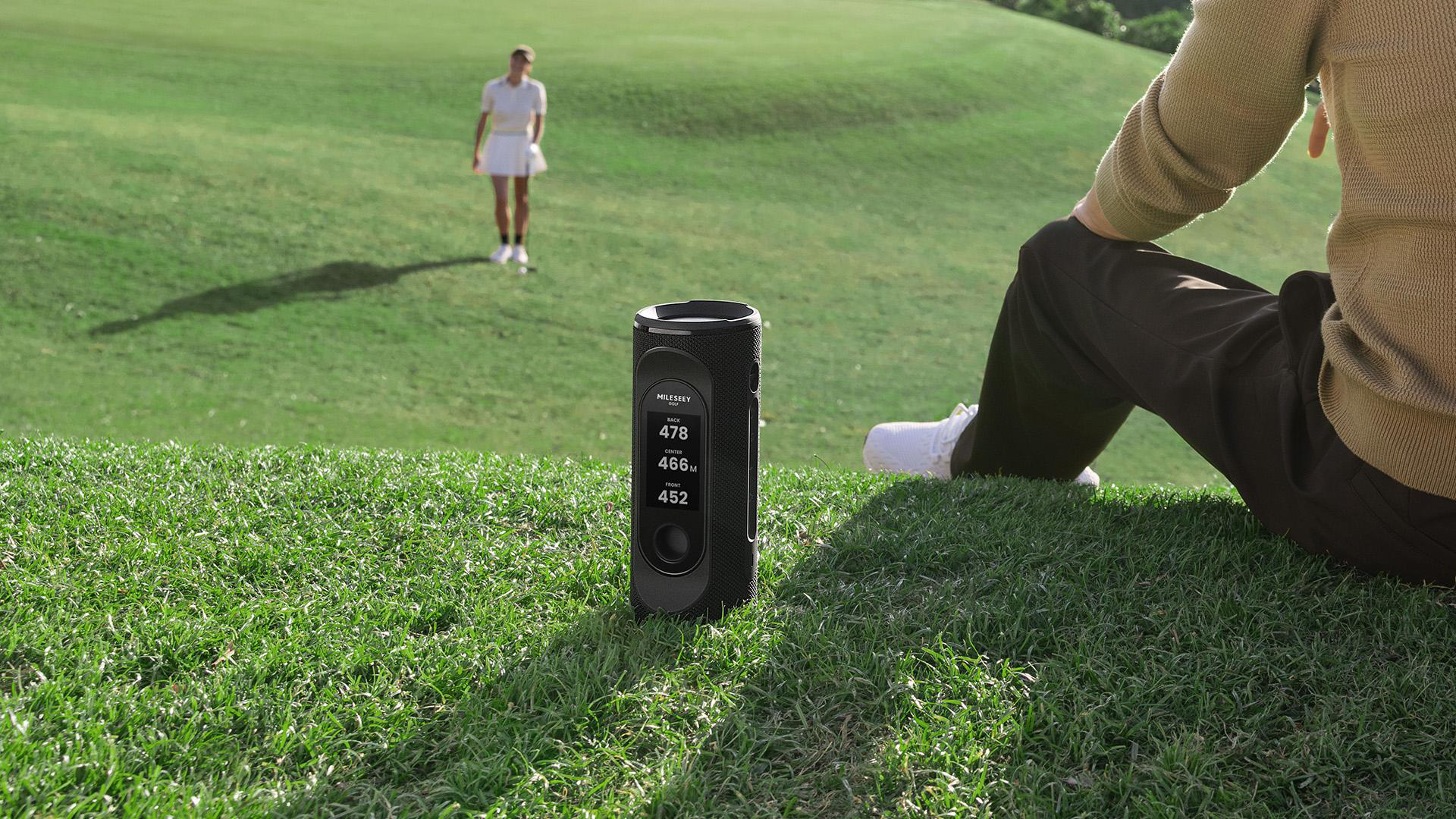
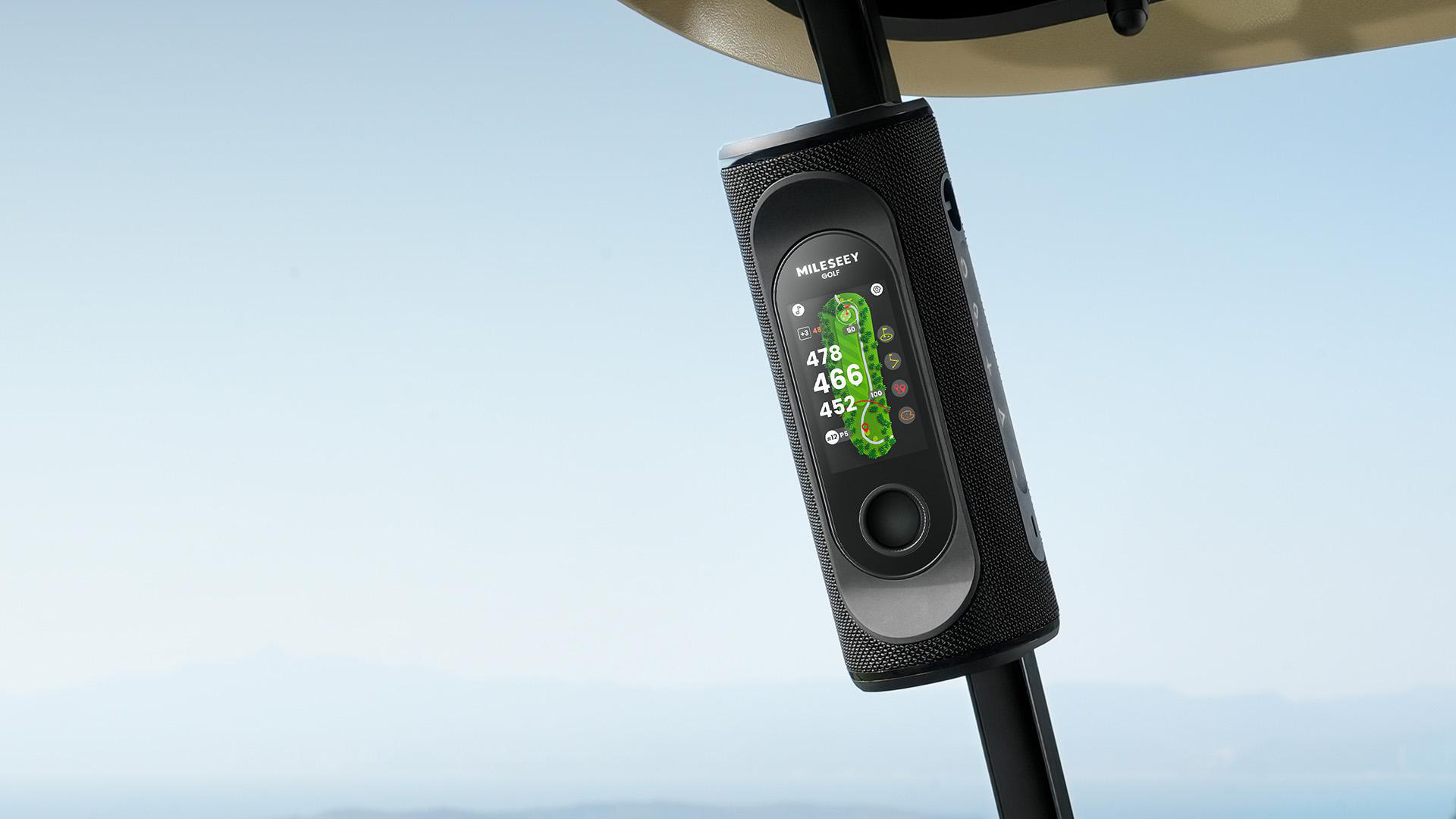
This is why the MILESEEY GeneSonic Pro GPS Speaker is more than just a convenience device. It’s a strategic tool.
You’ve got accurate GPS distances to the front, center and back of every green. You know exactly where hazards are. And you’ve got quality audio playing your music at a volume that keeps you calm and focused without being disruptive. One device. Two functions. Both contributing to better golf.
The Strategic Decision Framework
Here’s the framework I teach my students for every shot. The GeneSonic Pro gives you the information to execute this effectively.
Step 1: Gather Information – Check your GPS. Know your exact distance, where the trouble is and where the safe zones are.
Step 2: Assess Your Game Today – How are you hitting it right now? Your strategy has to account for your current form, not your best-case scenario.
Step 3: Identify the Smart Miss – Where can you miss and still be okay? That’s often more important than where you’re aiming.
Step 4: Choose the Club That Executes the Strategy – Not the club that gets you there if you pure it. The club that executes your strategy, even if you don’t hit it perfectly.
Step 5: Commit and Execute – This is where the music helps. You’ve made your decision. Now trust it. Let the music quiet the doubt and help you commit to the shot.
Real Course Management Scenarios
Scenario 1: The Reachable Par 5
You’re 235 yards from the green. Your GPS shows water short and right. You can hit a 3-wood 230 yards when you catch it well.
Bad strategy: Go for it because you “might” get there.
Good strategy: Check your GPS for the layup zone. See that 100 yards out is a wide, flat area. Lay up to your favorite wedge distance. Take the big number out of play. The music keeps you from getting caught up in ego.
Scenario 2: The Tight Par 4
Your GPS shows the fairway is only 25 yards wide at your driver distance, but it opens up to 40 yards wide at 220 yards.
Bad strategy: Hit driver because that’s what you always do.
Good strategy: Hit 3-wood or hybrid to the wide part of the fairway. You’re hitting from 180 instead of 150, but you’re in the fairway instead of the trees. The GPS gives you the information. The music keeps you from feeling like you’re “giving up distance.”
Scenario 3: The Scoring Zone
Inside 150 yards is where good course management separates low handicaps from high handicaps. Most amateurs are terrible at judging these distances. They think they’re 130 out when they’re really 145. Those 15-yard errors lead to short-sided chips and bogeys.
Your GPS eliminates that guessing. You know exactly how far you are. Now you can focus on the strategic element: where do you want to miss? Front pin? Favor the middle or back of the green. Tucked pin? Aim for the fat part of the green. Don’t chase sucker pins.
Your Strategic Action Plan
Here’s what I want you to do on your next round:
Spend 10 minutes before the round reviewing the course on your GPS
Identify three holes where strategy will matter most
For those three holes, have a specific plan before you tee off
Execute the plan, even if it feels conservative
Track the results
I’m confident you’ll save strokes on those three holes. Then expand the approach to more holes.
And pay attention to your mental state with music on. Are you calmer? More decisive? More committed to your shots? That’s valuable information.
The GeneSonic Pro isn’t just giving you distances and playing your music. It’s giving you the tools to play smarter, calmer, more strategic golf. Course management isn’t about playing perfect golf. It’s about making smart decisions and executing them with commitment. GPS gives you the information. Music gives you mental clarity. Together, they make you a better player.