Most golfers warm up before a round.
Very few prepare.
There is a difference.
Warming up means rolling a few putts, hitting some range balls, stretching a little and hoping the swing shows up. Preparing means studying the course, identifying the holes that require discipline, knowing where the real scoring chances are and building a plan you can actually follow when the round gets uncomfortable.
That second part is where golfers can save strokes before they ever hit the first tee shot.
A good pre-round strategy session does not need to be complicated. It does not need to take an hour. It does not require a yardage book full of handwritten notes like a tour caddie.
It simply requires intention.
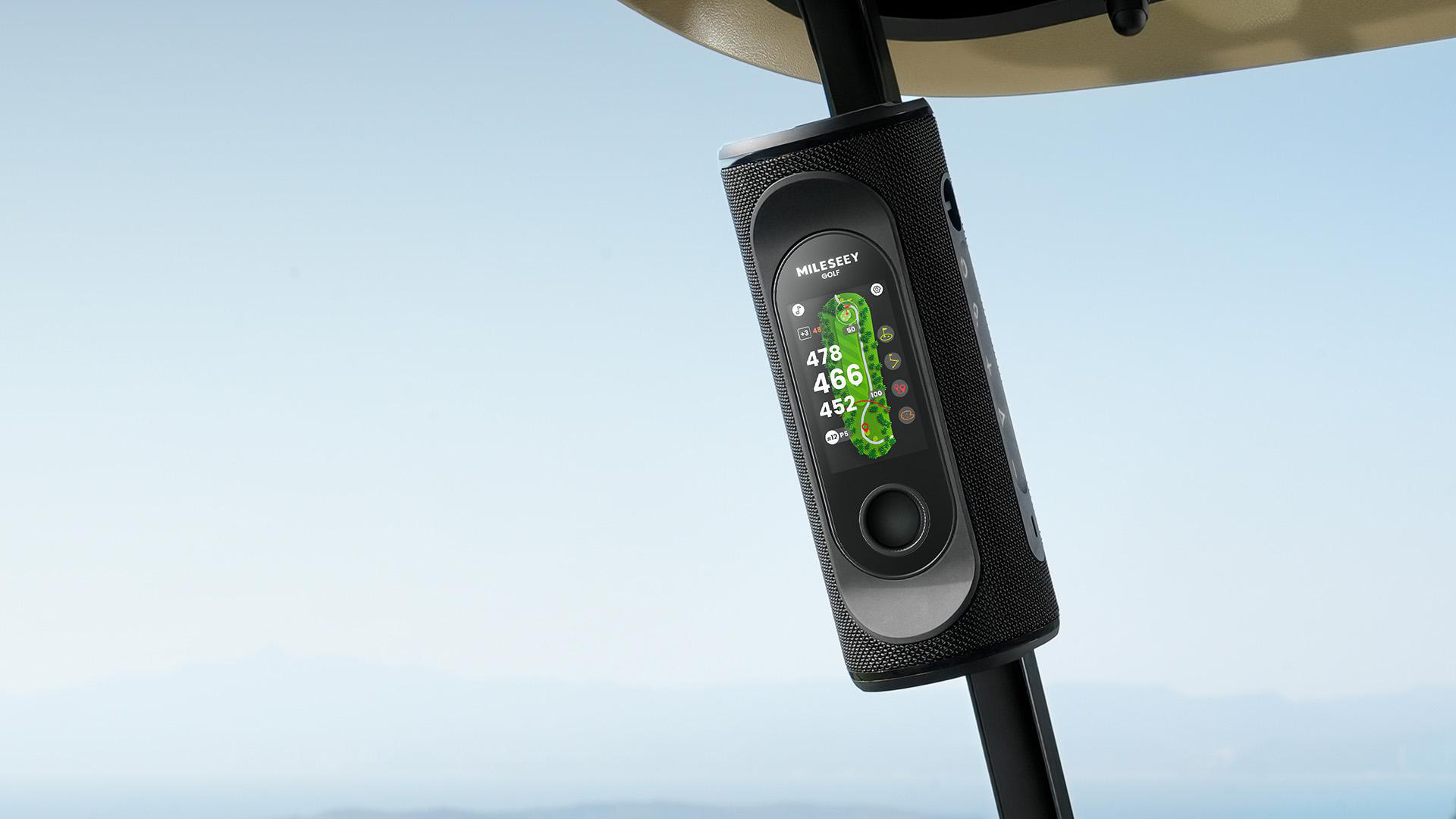
With the MILESEEY GeneSonic Pro, golfers can use course preview functionality, advanced course views, GPS yardages and hole layouts to create a practical plan before they even arrive at the course. That turns pre-round preparation from a casual warm-up into something more valuable.
It becomes tactical.
Start With the Scorecard, But Do Not Stop There
The scorecard gives you a basic outline.
Par. Yardage. Handicap ranking. Maybe a small hole diagram if the course offers one.
That is useful, but it is not enough.
A 420-yard par 4 can play wide open or brutally tight. A 365-yard par 4 can be a birdie hole or a trap. A par 5 can be reachable in two or designed to punish the player who tries. Yardage alone does not tell the full story.
Before the round, look at the course layout as a whole.
Where are the long par 4s?
Where are the short scoring holes?
Where does water come into play?
Where do doglegs force a tee-shot decision?
Where are the forced carries?
Where are the holes where bogey is not a disaster?
This is where the GeneSonic Pro’s course views become valuable. They help you look beyond total yardage and begin seeing the architecture of the round.
Identify Your Personal Danger Holes
Every golfer has danger holes.
Not the hardest holes on the scorecard.
Your hardest holes.
That distinction matters.
A hole may be ranked No. 1 because it is long for most players. But if it is wide off the tee and you hit driver well, it may not be your biggest problem. Another hole may be ranked No. 12, but if it has water right and your miss is a push or slice, that might be your danger hole.
Pre-round strategy gets better when it becomes personal.
Look for holes that expose your tendencies.
If you fight a slice, identify tee shots with trouble right.
If you struggle with fairway woods, be cautious on long forced carries.
If partial wedges make you uncomfortable, avoid leaving awkward 50- to 70-yard shots.
If bunkers give you trouble, play to the side of the green that removes them.
If big numbers come from penalty areas, build your plan around keeping the ball dry.
A smart game plan is not about playing perfect golf.
It is about protecting yourself from your most predictable mistakes.
Build Conservative Plans for Trouble Holes
Once you identify your personal danger holes, make a conservative plan before the round starts.
Do not wait until you are standing on the tee with a scorecard in your pocket and adrenaline in your hands.
Decide early.
On a tight driving hole, maybe the plan is hybrid or 3-wood instead of driver. On a par 5 with water near the green, maybe the plan is a three-shot hole no matter how good the drive is. On a long par 3 with trouble short, maybe the plan is center of the green and accept a 30-foot putt.
This is not negative thinking.
This is score protection.
Most golfers do not need more birdies as badly as they need fewer doubles. A conservative plan on the right holes can be the difference between a solid round and one that gets away.
Identify Legitimate Birdie Opportunities
The other side of strategy is knowing when to be aggressive.
A good game plan is not just a list of places to avoid. It should also identify the holes where you can push a little.
Look for your legitimate scoring chances.
A reachable par 5 with a wide layup area.
A short par 4 where less than driver leaves a full wedge.
A par 3 with a comfortable club and a safe green complex.
A hole where your natural shot shape fits the design.
A wedge approach where the front, center and back numbers give you room to attack.
The key word is legitimate.
A birdie opportunity is not simply a short hole. It is a hole where the design, yardage and your strengths match up.
That is where you can give yourself permission to be aggressive without being reckless.
Create a Tee-Shot Plan
Most amateur golfers choose clubs on the tee based on habit.
Driver unless something looks scary.
That is not a plan.
Before the round, build a simple tee-shot plan. You do not need to write a novel. Just decide which holes are driver holes, which holes are position holes and which holes require a specific target.
For each driving hole, ask:
What club creates the best next shot?
Where is the widest landing area?
What trouble must be avoided?
Does driver bring in a problem that another club removes?
What is my target line?
The GeneSonic Pro’s hole layout and GPS information can help you understand these tee-shot decisions more clearly. When you can see the fairway shape, hazard locations and layup areas, you can choose clubs with purpose instead of habit.
That is how better course management begins.
Create an Approach-Shot Plan
Approach strategy should be built around zones, not ego.
Before the round, identify greens where center is a win. Some greens should not be attacked unless the pin is in a very friendly spot. Others may offer more room than they appear to from the fairway.
Use front, center and back yardages to make smarter choices.
If the pin is back and long is dead, play to the middle.
If trouble is short, take enough club.
If the green is shallow, prioritize distance control.
If the pin is tucked, aim at the safe side.
If the approach is from an uncomfortable yardage, choose the bigger target.
Good approach play is often less about hitting it stiff and more about refusing to short-side yourself.
That is not boring.
That is how scores travel.
Plan Your Layup Numbers
This is one of the most overlooked parts of pre-round strategy.
Golfers often lay up without choosing a number. They simply hit something “down there” and hope the next yardage is comfortable.
Better players do not do that.
They know their preferred wedge numbers and try to leave them.
Maybe you love 100 yards. Maybe 85 is your number. Maybe you are better from 115 because it lets you make a fuller swing. Whatever it is, build your par-5 and short par-4 strategy around leaving a yardage you trust.
The GeneSonic Pro’s layup features can help make that process clearer during the round. But the thought process should begin before the round starts.
A layup is only smart if it leaves you somewhere useful.
Prepare for Pressure Before it Arrives
The hard part of a game plan is not making it.
The hard part is sticking to it.
Every golfer knows the feeling. You make a plan to play safely on a dangerous hole, then you hit two good shots early and suddenly the plan changes. You feel confident. You feel bold. You feel like this is the day.
Then one bad decision erases three good holes.
Pre-round preparation helps because it gives you something to return to when emotions start talking.
You already decided the 6th hole is not a driver hole.
You already decided the par 5 with water is a three-shot hole.
You already decided center of the green is the target on the long par 3.
You already decided the back-left pin is not worth chasing.
That matters.
Pressure gets louder when the plan is vague.
A clear plan gives you discipline.
The Best Plan is Simple Enough to Follow
Do not overcomplicate this.
A pre-round game plan should be clear, practical and easy to remember. Most golfers only need a few key notes.
Three holes where bogey is acceptable.
Three holes where birdie is realistic.
Two tee shots where less than driver is the play.
Two greens where center is the target no matter where the pin is.
One preferred layup number to build around.
That is enough.
The goal is not to control every shot before it happens. Golf does not work that way. The goal is to remove unnecessary indecision and avoid the mistakes you can see coming.
How GeneSonic Pro Fits into the Session
The GeneSonic Pro helps because it puts useful course information in front of you in a format that is easy to understand.
The course preview functionality helps you study hole layouts. The advanced course views help identify hazards and landing areas. Front, center and back distances help shape approach strategy. Layup features help build smarter par-5 plans. Audible yardages keep the flow of the round moving once you are on the course.
That is the balance golfers need.
Enough technology to make better decisions.
Not so much that the round becomes cluttered.
The Bottom Line
A good round often starts before the first tee.
Not with a perfect warm-up.
Not with one flushed range ball.
Not with a last-second swing thought.
It starts with a plan.
The golfers who manage the course well usually make fewer emotional decisions. They know where to be careful. They know where to attack. They understand their own tendencies. They do not let one good swing convince them to abandon a smart strategy.
That is the real value of a pre-round strategy session.
It gives the round a shape before the scorecard starts filling in.
With the GeneSonic Pro, golfers have a clearer way to study the course, identify key yardages and build a game plan that fits their actual game.
That is how preparation turns into confidence.
And confidence, when paired with discipline, is one of the best scoring tools a golfer can have.
By Brendon R. Elliott, PGA PGA Professional | Coach | Industry Consultant | Golf Writer