Golfers love talking about birdies. They love talking about perfect drives, flushed irons and the occasional heroic recovery that somehow sneaks through a gap the size of a mailbox.
But scoring is often built somewhere else.
It is built in the moments after the bad shot.
That is where rounds get saved or ruined. One poor swing rarely has to become a big number. The real damage usually comes from the decision that follows it. A drive into the trees becomes a double when the golfer tries to thread a low hook through branches instead of pitching back to safety. A missed green becomes a triple when the player short-sides himself again. A fairway bunker shot becomes a mess when the player ignores the lip, the yardage and the smarter layup zone.
This is where I want golfers to build what I call a double-bogey firewall.
A firewall does not prevent every problem. It keeps one problem from spreading.
On the golf course, that means using better information, better discipline and a calmer decision-making process to stop one miss from turning into two, three or four.
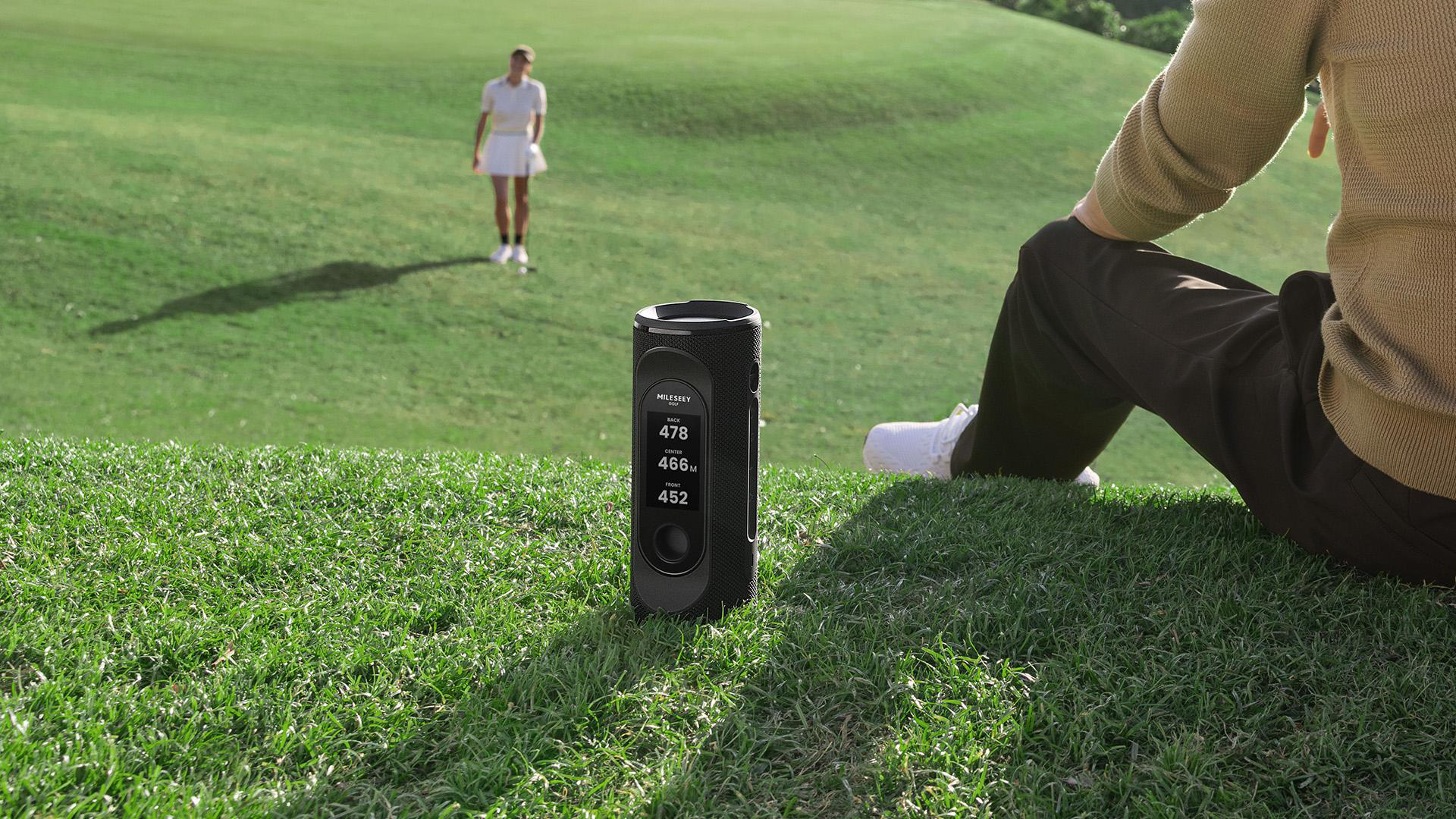
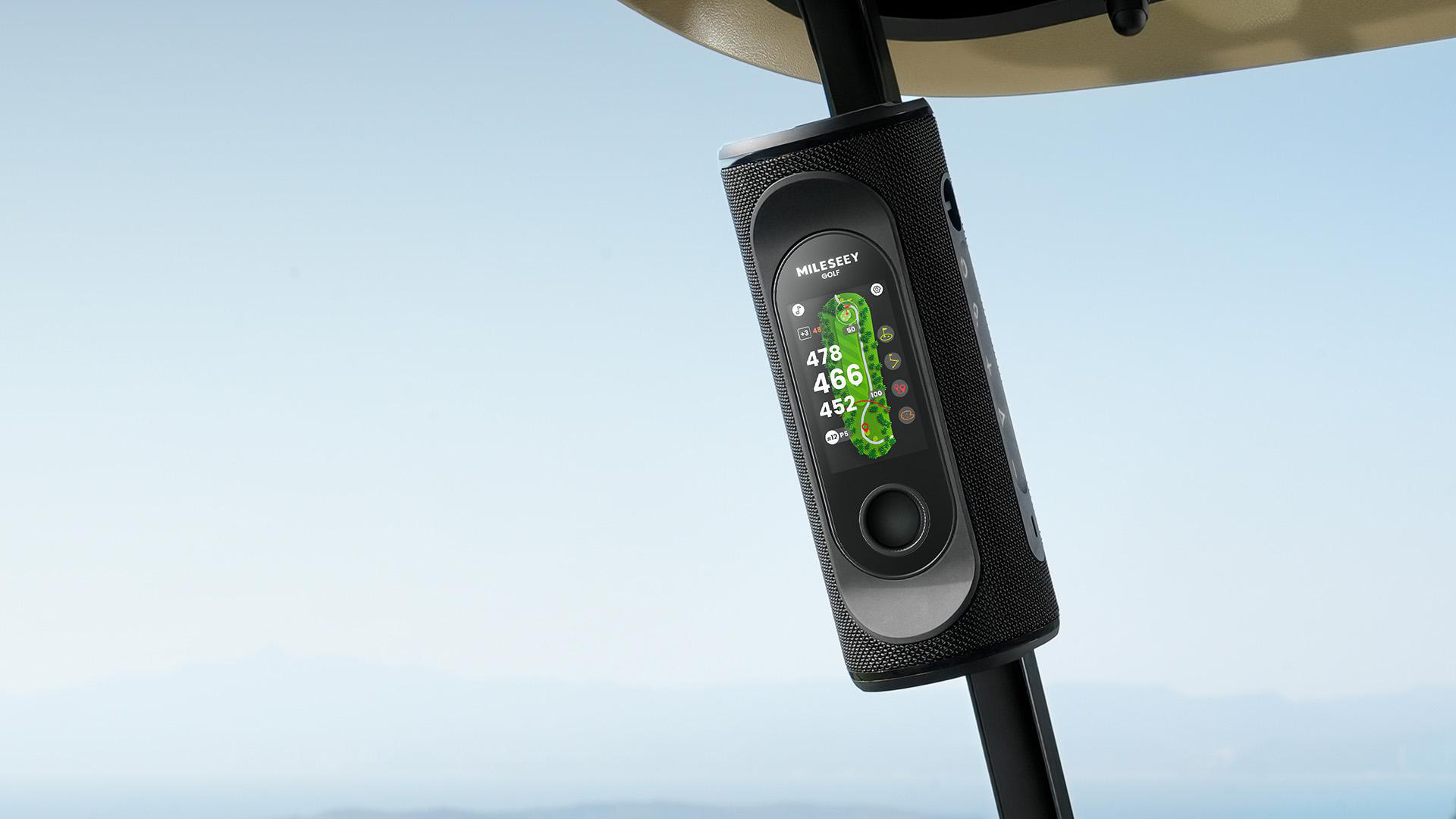
The MILESEEY GOLF’s GeneSonic Pro fits perfectly into this conversation because its GPS tools, course views, hazard information and audible yardages help golfers make the next smart decision quickly. Not the emotional one. Not the heroic one. The smart one.
Table of Content:
The First Miss Is Not Always the Problem
Step One: Find the Safest Route Back Into Play
Step Two: Know the Yardage That Restores Order
Step Three: Take Double Bogey Out of Play First
The Three-Question Recovery Test
The First Miss Is Not Always the Problem
Every golfer misses shots.
Tour players miss shots. Club champions miss shots. Juniors miss shots. Weekend golfers miss shots.
The difference is what happens next.
Higher-handicap players often compound mistakes because they react emotionally. They are frustrated, embarrassed or trying to “get the shot back.” That phrase alone causes a lot of double bogeys.
Golf does not work that way.
You cannot erase the last swing with a miracle shot. What you can do is make the next decision simple enough, disciplined enough and smart enough to give yourself a chance to walk away with bogey or even par.
After a bad shot, your first job is not to be brilliant.
Your first job is to get the hole under control again.
Step One: Find the Safest Route Back Into Play
When you are out of position, the Mileseey GeneSonic Pro can help you see more than just the flag. That matters.
The flag is often the least important target after a poor shot. The better target might be a section of fairway. It might be a layup number. It might be a safe angle short of a bunker or water hazard. It might be a spot that gives you a clean wedge to the green.
This is where golfers need to stop asking, “Can I get there?”
They need to start asking, “Where can I go that guarantees I am playing my next shot from a better place?”
The GPS view gives you a better understanding of the hole, including where trouble sits and where the next practical target should be. If you are blocked out, exact distance information can make the pitch-out or layup feel more purposeful instead of like a surrender.
A smart punch back to 115 yards is not giving up.
It is setting up the next shot.
Step Two: Know the Yardage That Restores Order
Bad shots create awkward situations. That is why exact information matters.
You may have 178 yards to the middle of the green, but that might not be your real shot. Maybe there is water short. Maybe a bunker guards the front. Maybe the green is narrow from your current angle. Maybe you are in rough and cannot control spin.
This is where a golfer should use the Mileseey GeneSonic Pro to identify the number that restores order.
That number might be:
- 75 yards to a comfortable wedge
- 100 yards to a full swing
- 125 yards short of the hazard
- 145 yards to a wide section of fairway
- Front-edge yardage that tells you the carry is too risky
The right number after a bad shot is not always the longest number.
It is the number that gets the hole moving in the right direction again.
Step Three: Take Double Bogey Out of Play First
Most golfers make a mistake in their recovery thinking. They try to save par before they have protected bogey.
The better order is different.
First, take double bogey out of play.
Then, see if bogey can become a good bogey.
Then, if the opportunity is truly there, try to save par.
This keeps your decision-making grounded.
For example, say you hit your tee shot into the trees on a par 4. You have a narrow window toward the green, but the safer play is 60 yards sideways into the fairway. Many golfers hate that shot because it feels defensive.
But now imagine the hole this way:
- Pitch back to fairway
- Hit wedge or short iron onto the green
- Two-putt for bogey
- Possibly one-putt for par
That is not a disaster. That is disciplined golf.
Now compare that to the hero shot:
- Clip a branch
- Advance it 20 yards
- Still blocked out
- Miss the green
- Make double or worse
That is the exact situation the double-bogey firewall is designed to prevent.
The Three-Question Recovery Test
After any bad shot, I like players to ask three questions before choosing the next target.
1. What is the worst outcome if I try this shot?
If the answer is another penalty, another chip-out or a likely double, it is probably not the right shot.
2. What shot gets me back in position with the least stress?
This might be a layup, a sideways pitch or a conservative carry over trouble.
3. What number do I want for my next full swing?
Use the Mileseey GeneSonic Pro to identify that spot and commit to it.
This process takes emotion out of the moment. It turns recovery golf into a plan.
Bogey Can Be a Win
Golfers need to understand this.
A bogey after a bad drive is not always a failure. A bogey after a penalty ball is often a very good score. A bogey after being out of position is sometimes the difference between breaking 90, 80 or 75.
The best players are not the ones who never make mistakes.
They are the ones who make mistakes smaller.
The Mileseey GeneSonic Pro helps by giving golfers a better view of the hole, better yardage awareness and the kind of on-course information that supports smarter choices. When you know where the trouble is, where the safe space is and what number you want next, you are far less likely to make the emotional decision that turns one miss into a big number.
Final Thought
The next time you hit a bad shot, do not rush.
Take a breath. Look at the hole. Use your GPS. Find the safe target. Pick the number that gets you back in control.
Your goal is simple.
Build the firewall.
One miss does not have to become two. One bad swing does not have to become a ruined hole. And one smart decision after trouble can be the difference between a frustrating double bogey and a score-saving bogey that keeps your round alive.
By Brendon R. Elliott, PGA PGA Professional | Coach | Industry Consultant | Golf Writer