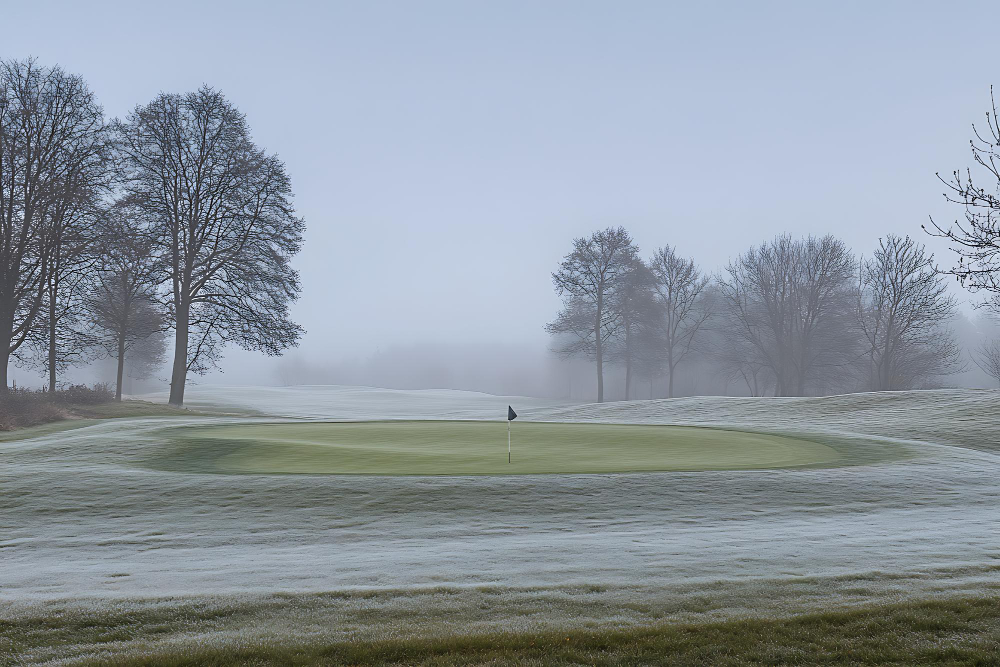
Golf is a game of precision, and having the right equipment can make a significant difference in your performance. One of the most valuable tools in a golfer's arsenal is a
golf rangefinder. These handy devices use laser technology to measure the distance between you and the target, providing you with accurate yardages and helping you make informed club selections. With so many options available on the market, choosing the
best golf rangefinder can be a daunting task. In this guide, we'll walk you through the key factors to consider when selecting the perfect rangefinder for your game.
Table of Content:
Key Features to Look for in a Golf Rangefinder
Additional Features
Conclusion
Key Features to Look for in a Golf Rangefinder
Accuracy and Range
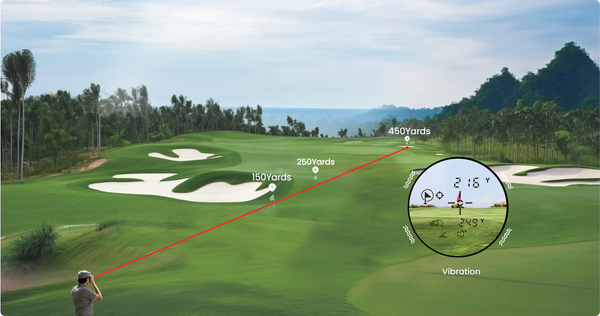
Accuracy and range are undoubtedly the two most critical factors when it comes to
rangefinder for golf. After all, the primary purpose of these devices is to provide you with precise distance measurements. Look for rangefinders that provide accuracy within 1 yard. Some high-end models use advanced technology like slope measurement and angle calculation to deliver extremely precise readings that take elevation changes into consideration. As for the range feature, top models can pick up pins from 1000+ yards away. If you tend to play on open, long courses, prioritize maximum range when choosing your device.
Optics and Display Quality
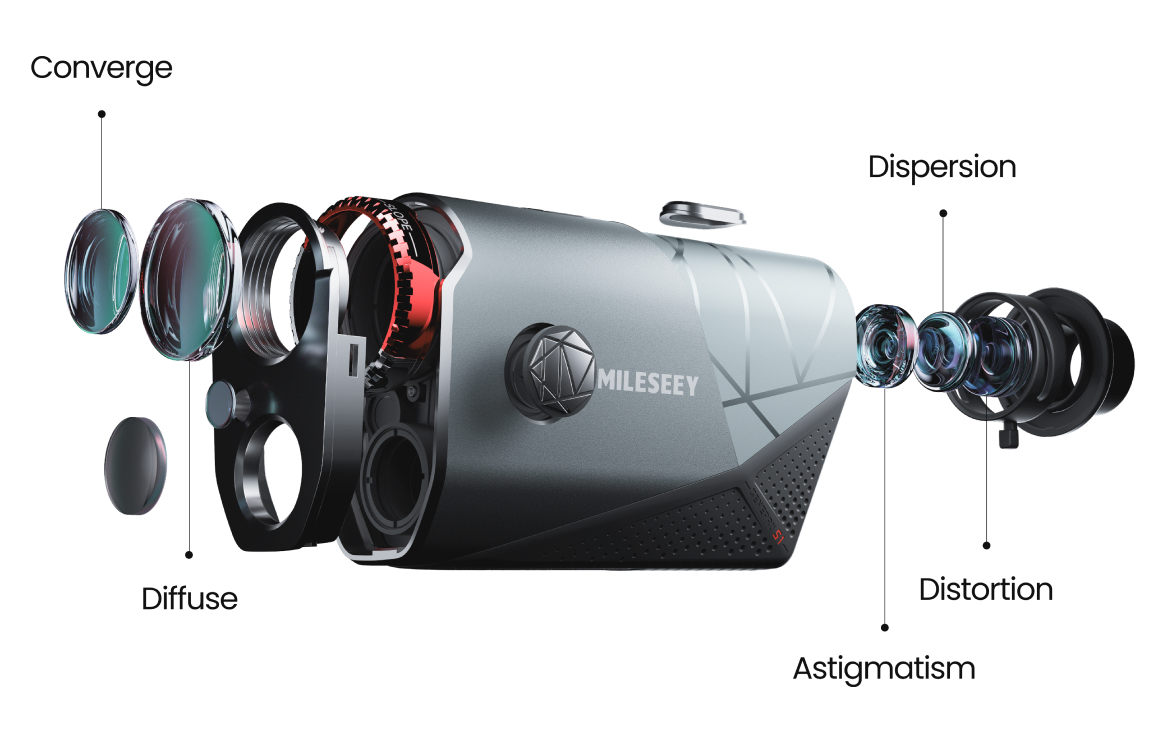
Clear optics and a user-friendly display are essential for easy target acquisition and distance measurements. Look for rangefinders with high-quality lenses that provide a bright, crisp image, even in low-light conditions. Additionally, consider the display's size, resolution, and readability. Some rangefinders feature multi-line displays that can show additional information, such as slope-adjusted distances or club recommendations. Some of the top rangefinders use HD, multi-coated lenses and provide 6x or greater magnification for a crisp, clear view.
Field of View
A golf rangefinder's field of view(FOV) refers to the width of the viewing area, or the angular extent of the scene that the device can capture. It is typically measured in degrees and represents the horizontal angle that the rangefinder can effectively cover. The optimal FOV for golf rangefinders is around 7-8 degrees. Devices with FOV in this range can provide a broad viewing area and pinpoint the desired target precisely at the same time.
Slope Function
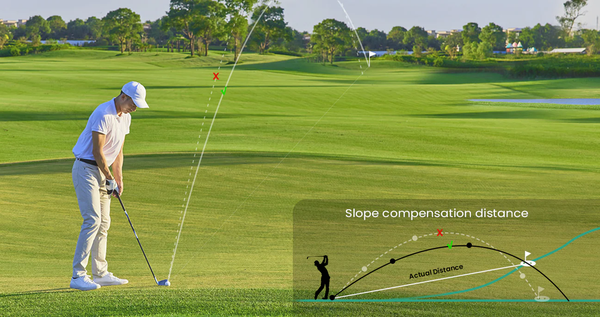
Slope compensation is a valuable feature that accounts for the elevation changes on the course, providing you with accurate distance measurements for uphill or downhill shots. This feature can significantly improve your club selection and shot accuracy, especially on hilly courses. However, it's important to note that slope compensation is not permitted in some tournament play, so you may need to disable this feature during competitive rounds. So choosing a
golf rangefinder with slope that allows you to turn slope mode on or off at any time will be your best option!
Pin Acquisition
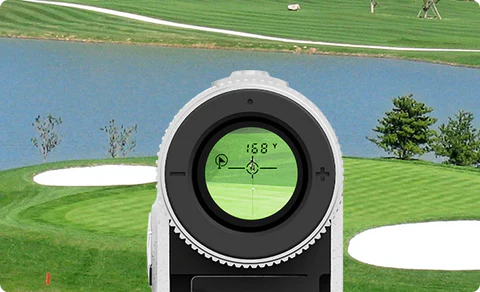
Courses with overlapping backgrounds can make it tricky to isolate the pin. So the ability to quickly and easily acquire the pin or flag from long distances is crucial. Top models use gradient tracking algorithms to filter out background objects and focus directly on the pin. Well designed models can also provide visual (red ring flash) and tactile (vibration) feedback when the device is locked onto the flag.
Ease of Use and Durability
Golf rangefinders are designed for use on the course, so they should be easy to operate and durable enough. Rangefinders with intuitive controls and a simple user interface can make you faster to get started. Additionally, consider the device's construction and water resistance, as these factors will determine its longevity and performance in various weather conditions. Here, we suggest you compare the difference between models that offer full waterproof protection and those that only resist water, which can be a big difference if you play golf in the rain.
Size, Weight and Battery Life
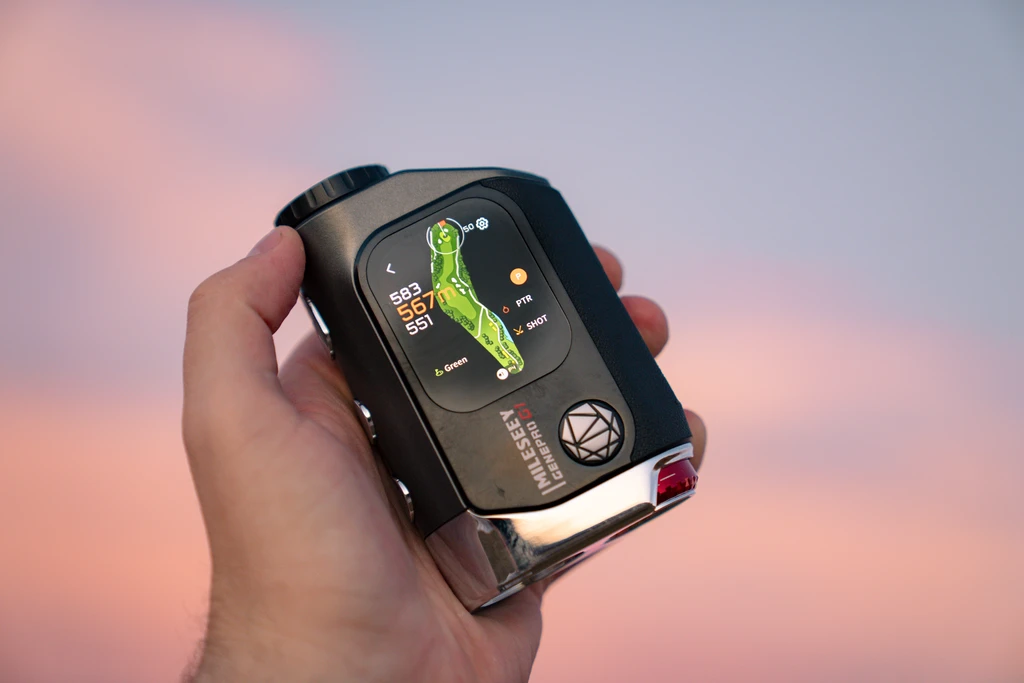
Unless you'll only be using a cart, consider the size and weight of the unit. Compact, lightweight devices are easier to carry and fit better in your pocket. Golfers want
rangefinders that are compact and lightweight enough to carry comfortably during a full round. Well-designed models should weigh less than 200g. The size of the unit also matters for easy storage and one-handed operation, as a recommendation you can look for the size almost the same as a bank card.
Battery life is another consideration, as you don't want your rangefinder to run out of juice mid-round. The best models provide 30+ hours of battery life with rechargeable batteries. Good rechargeable batteries provide 5 hours of battery life and use rechargeable batteries, up to 15,000 measurements.
Additional Features
While the primary function of a
golf rangefinder is to measure distances, many modern devices offer additional features that can enhance your golfing experience. These may include built-in GPS capabilities for course mapping, club recommendations based on your distances, and even the ability to track shot distances and statistics. These features are not the primary functions of a rangefinder, so you can choose according to your needs.
If you're in the market for a top-rated golf rangefinder that combines precision with on-course intelligence, we highly recommend the GenePro G1 from Mileseey Golf. As the world’s first GPS rangefinder with the biggest 2.13” AMOLED touchscreen, it brings a more intuitive way to read the course and plan every shot.
With access to 43,000+ preloaded courses and no subscription required, the GenePro G1 helps you navigate unfamiliar layouts with ease. Its SmartSlope™ compensation with a rotating tournament-legal switch supports both practice and competitive play, while fast and accurate flag-lock ensures confidence on approach shots. From layup guidance to Ball-to-Pin™ mode and performance tracking, it gives you the tools to think ahead and play smarter throughout your round.
Conclusion
Choosing the best
rangefinder for golfers is a personal decision that depends on your specific needs and skill level. By considering factors such as accuracy, range, optics, slope compensation, and ease of use, you can find the perfect device to elevate your game.

-3.jpg?w=1156&h=652)